
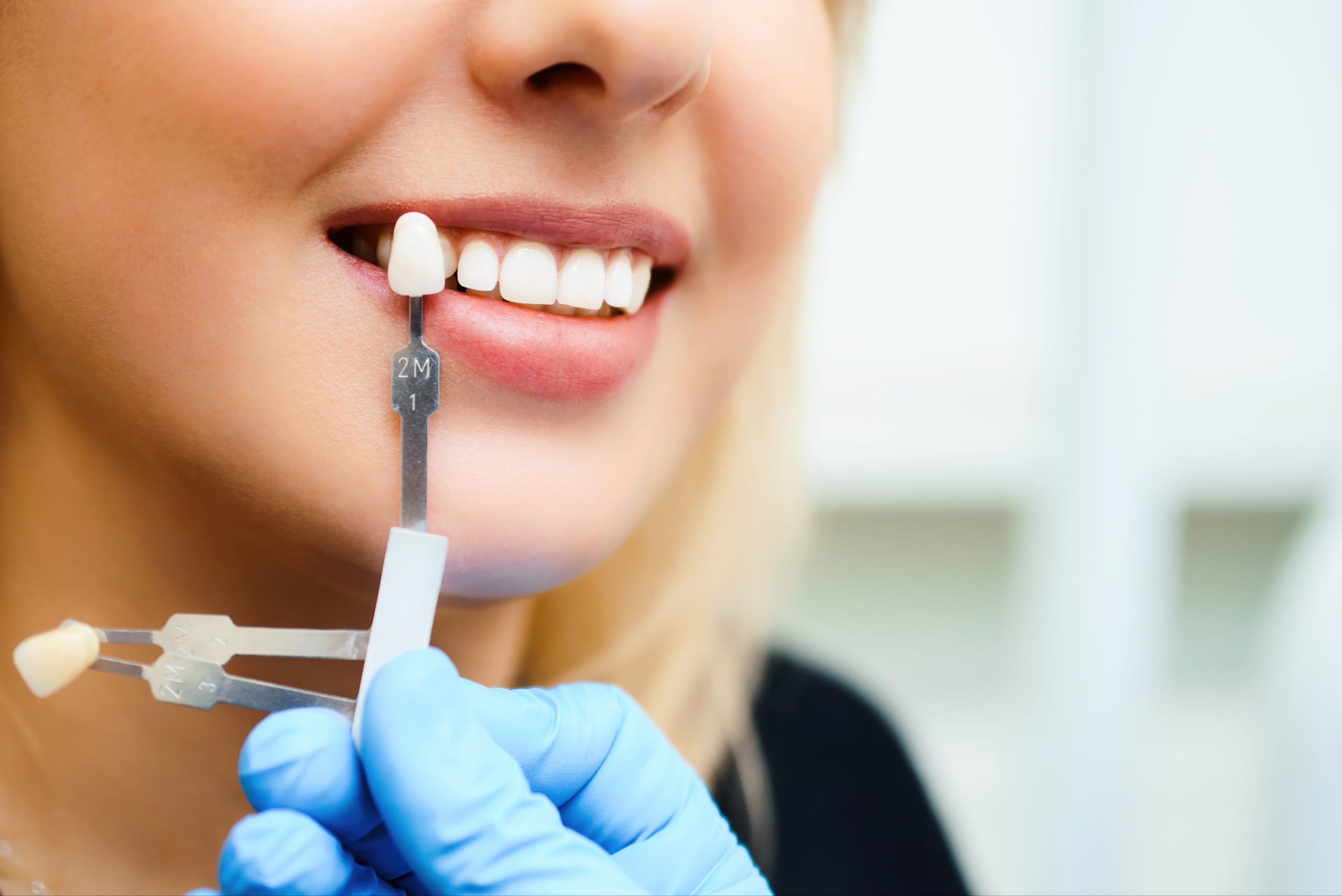
A brighter smile can refresh your appearance and help you feel more confident in photos, conversations, and everyday moments. Paramount Dental provides professional tooth whitening in Placerville for patients who want to reduce noticeable staining while receiving guidance from an experienced dental team.
Benefits of Professional Tooth Whitening
Professional tooth whitening is designed to lighten stains and discoloration affecting natural teeth. Common sources of staining include coffee, tea, red wine, tobacco use, highly pigmented foods, and natural changes associated with aging.
- Noticeable brightening: Professional whitening reduces many common stains and creates a cleaner, more radiant-looking smile.
- Two convenient options: In-office whitening offers faster treatment, while take-home trays allow you to whiten gradually on your own schedule.
- Customized treatment: Your starting shade, desired result, dental health, and sensitivity is considered before treatment begins.
- More even coverage: Custom trays are made to fit your teeth and distribute whitening gel more precisely than generic trays.
- Professional supervision: Your dental team can explain how much gel to use, how long to wear your trays, and what to do if sensitivity develops.
Whitening primarily changes tooth color. Patients who also want to address chips, uneven edges, isolated discoloration, or tooth shape may benefit from combining whitening with another cosmetic service after a complete evaluation.
The Tooth Whitening Process
Tooth whitening follows a simple process.
Consultation and Shade Planning
Your dentist evaluates your teeth and gums, discusses the likely cause of discoloration, and helps establish a realistic shade goal. Any active dental problems may need to be treated before cosmetic whitening begins.
Advanced In-Office Whitening
For patients seeking faster results, professional-strength whitening gel may be applied during a monitored office appointment. The gel is placed in controlled applications while the surrounding gum tissue is protected. The number of applications and final result will depend on your teeth and treatment response.
Standard Take-Home Whitening
For gradual whitening, impressions or digital scans may be used to create trays that fit closely over your teeth. You will receive dentist-dispensed whitening gel and instructions covering the amount of gel, recommended wear time, and length of treatment.
Progress Review and Touch-Ups
Whitening results vary by stain type and starting shade. Paramount Dental may adjust your schedule or gel strength if sensitivity occurs. Once you reach a comfortable shade, occasional touch-ups help maintain your results.
Candidacy and Alternatives
Tooth whitening is generally most effective for patients with healthy natural teeth and staining caused by foods, drinks, tobacco, or aging. A dental examination helps determine whether whitening is appropriate and whether the discoloration is likely to respond.
You may need preliminary treatment when you have untreated cavities, active gum disease, cracked teeth, exposed roots, or significant sensitivity. Addressing these concerns first can help reduce discomfort and protect your oral health.
Whitening gel does not change the color of porcelain, ceramic, composite resin, or other restorative materials. This includes crowns, fillings, veneers, and bonded areas. If a restoration no longer matches after whitening, your dentist can discuss whether replacing it is appropriate.
Alternatives to Whitening
- Dental veneers may conceal discoloration while also changing tooth shape, proportions, or minor spacing.
- Tooth bonding may mask an isolated spot, repair a small chip, or refine an uneven edge of a tooth.
- Invisalign may be considered when tooth position or spacing is the primary concern.
- Professional cleaning may help when discoloration is primarily caused by removable surface buildup.
Whitening is often completed before new veneers, bonding, crowns, or other visible restorations so the restorative material can be matched to the brighter shade.
Tooth Whitening Cost and Insurance
The cost of professional tooth whitening depends on the treatment method, your starting shade, the amount of whitening gel required, and whether future maintenance supplies are included. Advanced in-office treatment generally has a higher initial cost, while take-home treatment spreads the whitening process over several days or weeks.
Because tooth whitening is usually considered an elective cosmetic service, dental insurance typically does not cover it. The office team at Paramount Dental is happy to provide a personalized estimate and explain applicable payment options before treatment begins. Financing may also be available to you. Visit our Insurance & Financing page and ask our office team more about it at your visit.
Aftercare and Maintenance
Temporary tooth sensitivity or mild gum irritation can occur during or shortly after whitening. These effects are commonly temporary, but you should contact the dental office if discomfort is severe, persistent, or limited to a specific tooth.
Following are the recommended whitening treatment aftercare steps:
- Follow the prescribed wear time and use only the recommended amount of whitening gel at home.
- Use a toothpaste formulated for sensitive teeth when recommended by your dentist.
- Avoid extremely hot or cold foods and drinks if your teeth feel sensitive in the days following whitening.
- Limit coffee, tea, red wine, berries, tobacco, and other sources of staining, particularly during the first 24 to 48 hours after treatment.
- Rinse with water after consuming dark-colored foods or drinks.
- Brush and clean between your teeth consistently to reduce new surface staining.
- Continue regular dental examinations and professional cleanings.
Whitening results last from months to years depending on your diet, oral hygiene, tobacco exposure, and individual tooth characteristics. Periodic take-home touch-ups may be recommended, but they should be completed only according to our dentist’s instructions.
Tooth Whitening FAQs
What is the difference between in-office and take-home whitening?
In-office whitening uses professional gel applied and monitored by the dental team for faster treatment. Take-home whitening uses custom trays and dentist-dispensed gel to brighten your teeth gradually over a prescribed treatment period.
Will whitening work on crowns, fillings, bonding, or veneers?
No. Whitening gel lightens natural tooth structure but does not change the shade of dental restorations. Your Placerville dentist can evaluate visible restorations and explain whether they need to be replaced or adjusted after whitening.
Is professional tooth whitening safe?
Professional whitening is generally considered safe when a dentist determines that you are an appropriate candidate and the product is used as directed. Temporary sensitivity and mild gum irritation are the most common side effects.
How white will my teeth become?
Results depend on your starting shade, enamel characteristics, and the type and depth of staining. Your dental team will help you choose a natural-looking goal, but no specific shade can be guaranteed.
How can I reduce sensitivity after whitening?
Follow your prescribed wear schedule, use only the directed amount of gel, and take a treatment break if instructed. A sensitivity toothpaste may also help. Contact Paramount Dental if sensitivity is intense, affects one particular tooth, or does not improve.
How long do tooth whitening results last?
Results vary but typically remain visible for months or years. Coffee, tea, red wine, tobacco, and other staining substances may cause the shade to darken sooner. Good oral hygiene, dental cleanings, and dentist-directed touch-ups can help you maintain your smile.
Can whitening remove every type of discoloration?
No. Some internal discoloration, white spots, medication-related stains, and color differences caused by restorations may respond unpredictably. Alternatives such as veneers or bonding may provide a more consistent result.
Should I whiten my teeth before getting veneers or bonding?
Whitening is often completed first because veneers and bonding materials do not lighten later. Your dentist can then match the new restoration to your preferred tooth shade after the whitening result has stabilized.