
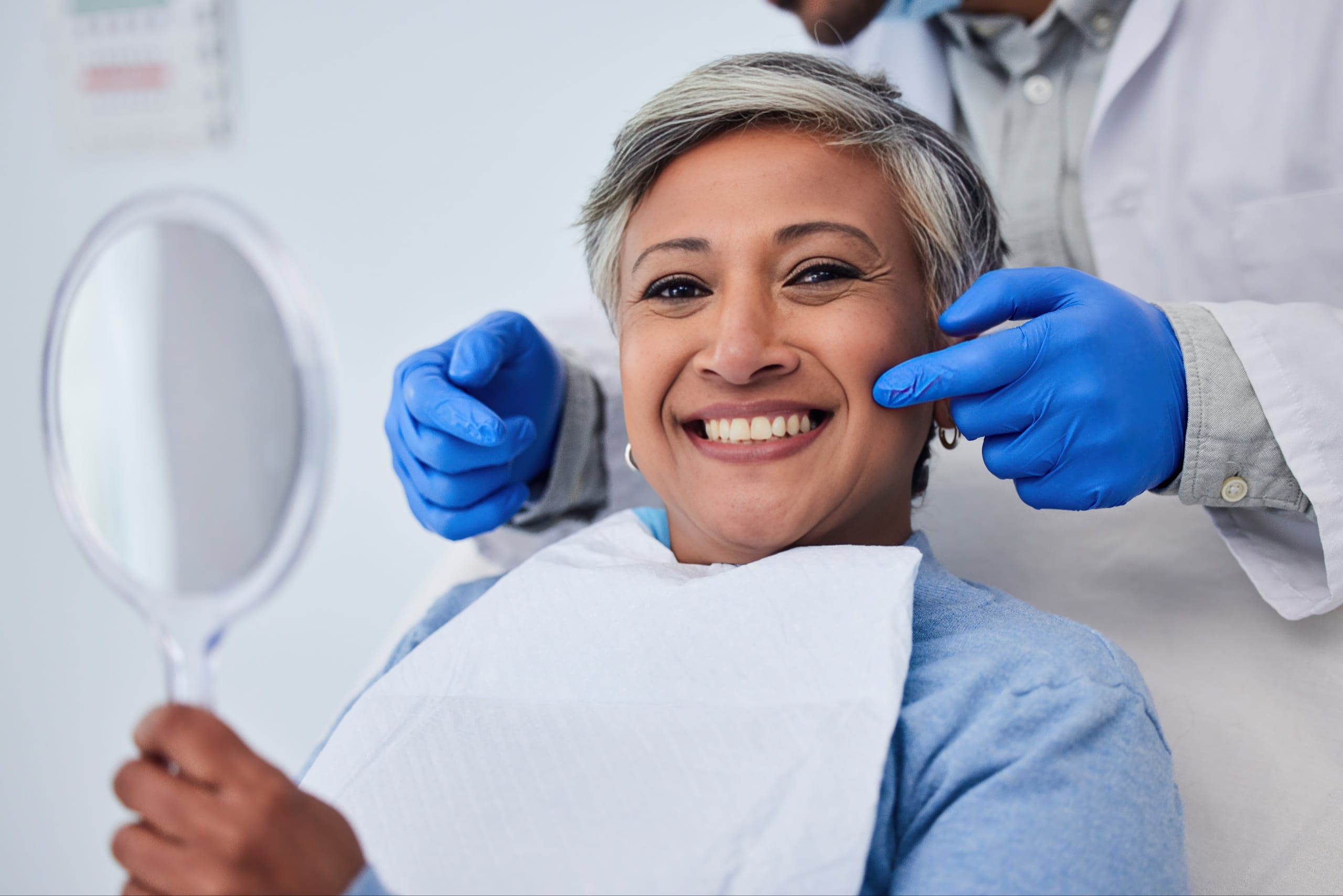
Small tooth chips, minor gaps, uneven edges, and stubborn spots can make a healthy smile feel less polished than it should. At Paramount Dentistry in Placerville, tooth bonding offers a conservative cosmetic option for refreshing select teeth with tooth-colored composite resin.
Benefits
Tooth bonding is designed for focused cosmetic improvements. Instead of covering the entire front surface of a tooth, bonding is usually applied only where it is needed, making it a conservative option for many patients.
- Repairs small chips and worn edges: Composite resin can rebuild minor areas of missing tooth structure and smooth uneven contours.
- Closes tiny gaps: Bonding helps improve small spaces between teeth when orthodontic treatment is not necessary.
- Blends discoloration: Tooth-colored resin helps camouflage localized stains that do not respond well to whitening.
- Looks natural: The resin is shade-matched, shaped, hardened, and polished to blend with nearby teeth.
- Often completed quickly: Many bonding treatments can be completed in a single dental appointment.
- Preserves tooth structure: Bonding often requires little to no enamel removal compared with more extensive cosmetic options.
Procedure/Process
The tooth bonding process is straightforward and typically does not require extensive preparation. Your dentist will first confirm that your teeth and gums are healthy enough for cosmetic bonding.
- Smile evaluation: Your dentist examines the tooth or teeth being treated and discusses the changes you want to make.
- Shade selection: A composite resin shade is selected to match your surrounding teeth or your planned smile color.
- Tooth preparation: The tooth surface is cleaned, gently conditioned, and prepared so the resin can bond securely.
- Composite placement: Tooth-colored resin is applied in layers and sculpted to improve the shape, edge, or contour of the tooth.
- Light curing: A special curing light hardens the resin so it bonds to the tooth surface.
- Finishing and polishing: The bonded area is refined, smoothed, polished, and checked to make sure your bite feels comfortable.
In many cases, patients can return to normal daily activities right after the appointment. Some temporary sensitivity may occur, but bonding usually involves little to no downtime.
Candidacy & Alternatives
Tooth bonding may be a good fit if you have healthy teeth and gums with small-to-moderate cosmetic concerns. It is commonly considered for minor chips, small gaps, localized discoloration, slightly uneven edges, or teeth that appear a little short or misshapen.
Bonding may not be ideal for every smile concern. If a tooth has active decay, gum disease, a large fracture, heavy bite pressure, or significant structural damage, those issues should be treated first. Patients who grind or clench may also need a custom nightguard to help protect the bonded material.
Depending on your goals, your dentist may recommend bonding or one of the following alternatives:
- Porcelain veneers may be better for larger smile changes, longer-lasting color stability, or multiple front teeth.
- Professional whitening may be recommended first if overall tooth color is the main concern.
- Invisalign may be better for spacing, crowding, or bite-related alignment concerns.
- Dental bridges or dental implants may be appropriate when a tooth is missing or too damaged for bonding.
- Root canal therapy or restorative treatment may be needed before cosmetic care if infection or deeper damage is present.
Cost & Insurance
The cost of tooth bonding depends on the number of teeth treated, the size of each area, the amount of shaping required, and whether the bonding is cosmetic or restorative. A small chip repair may be priced differently than reshaping several front teeth.
Cosmetic bonding is not always covered by dental insurance. When bonding is used to repair decay, trauma, or a functional problem, partial benefits may be available depending on your plan. Paramount Dentistry can review your recommended treatment, provide an estimate, and help you understand any available insurance benefits. Ask us if financing and payment options apply to your treatment plan.
Aftercare & Maintenance
Bonded teeth do not require complicated maintenance, but daily habits matter. Composite resin can chip or stain over time, especially when exposed to heavy biting forces, dark beverages, or habits that stress the front teeth.
- Brush twice daily with a soft toothbrush and fluoride toothpaste.
- Floss once daily to keep the edges of bonded areas clean.
- Avoid biting fingernails, chewing pens, crunching ice, or using your teeth to open packages.
- Limit frequent coffee, tea, red wine, and other highly pigmented foods or drinks that may stain resin.
- Schedule routine dental cleanings so the bonded areas can be checked and polished as needed.
- Ask about a nightguard if you clench or grind your teeth.
- Call (530) 295-8000 if a bonded tooth feels rough, sharp, chipped, or uncomfortable when you bite.
Tooth Bonding FAQs
What is tooth bonding?
Tooth bonding is a cosmetic dental treatment that uses tooth-colored composite resin to repair or improve small areas of a tooth. It can help with minor chips, small gaps, worn edges, discoloration, and subtle shape concerns.
How long does tooth bonding last?
Bonding longevity varies based on your bite, oral habits, home care, and where the bonding is placed. Many patients need touch-ups or replacement after several years, especially if they bite hard objects, grind their teeth, or frequently consume staining foods and drinks.
Does tooth bonding hurt?
Bonding is usually comfortable and minimally invasive. Many cosmetic bonding cases require little to no enamel removal, and anesthesia may not be needed unless bonding is being used to repair decay or a sensitive area.
Can bonded teeth be whitened?
Whitening products lighten natural tooth enamel but do not predictably whiten composite resin. If you want a brighter smile, your dentist may recommend whitening before bonding so the resin can be matched to your updated tooth shade.
Is bonding better than veneers?
Bonding and veneers serve different needs. Bonding is often faster, more conservative, and more affordable for small fixes. Porcelain veneers may be better for more dramatic or longer-lasting cosmetic changes across several front teeth.
Can tooth bonding fix gaps?
Tooth bonding can sometimes close very small gaps between teeth. For larger spaces, crowding, or bite-related concerns, your dentist may recommend Invisalign or another orthodontic option before cosmetic finishing.
How do I care for bonded teeth?
Brush, floss, and keep routine dental visits. Avoid chewing ice, biting pens, opening packages with your teeth, or other habits that can chip the resin. Contact the office at (530) 295-8000 if the bonding feels rough, sharp, loose, or uneven.
Ready to improve small chips, gaps, stains, or uneven edges? Schedule a tooth bonding consultation with Paramount Dentistry in Placerville to learn whether bonding is the right option for your smile goals.