
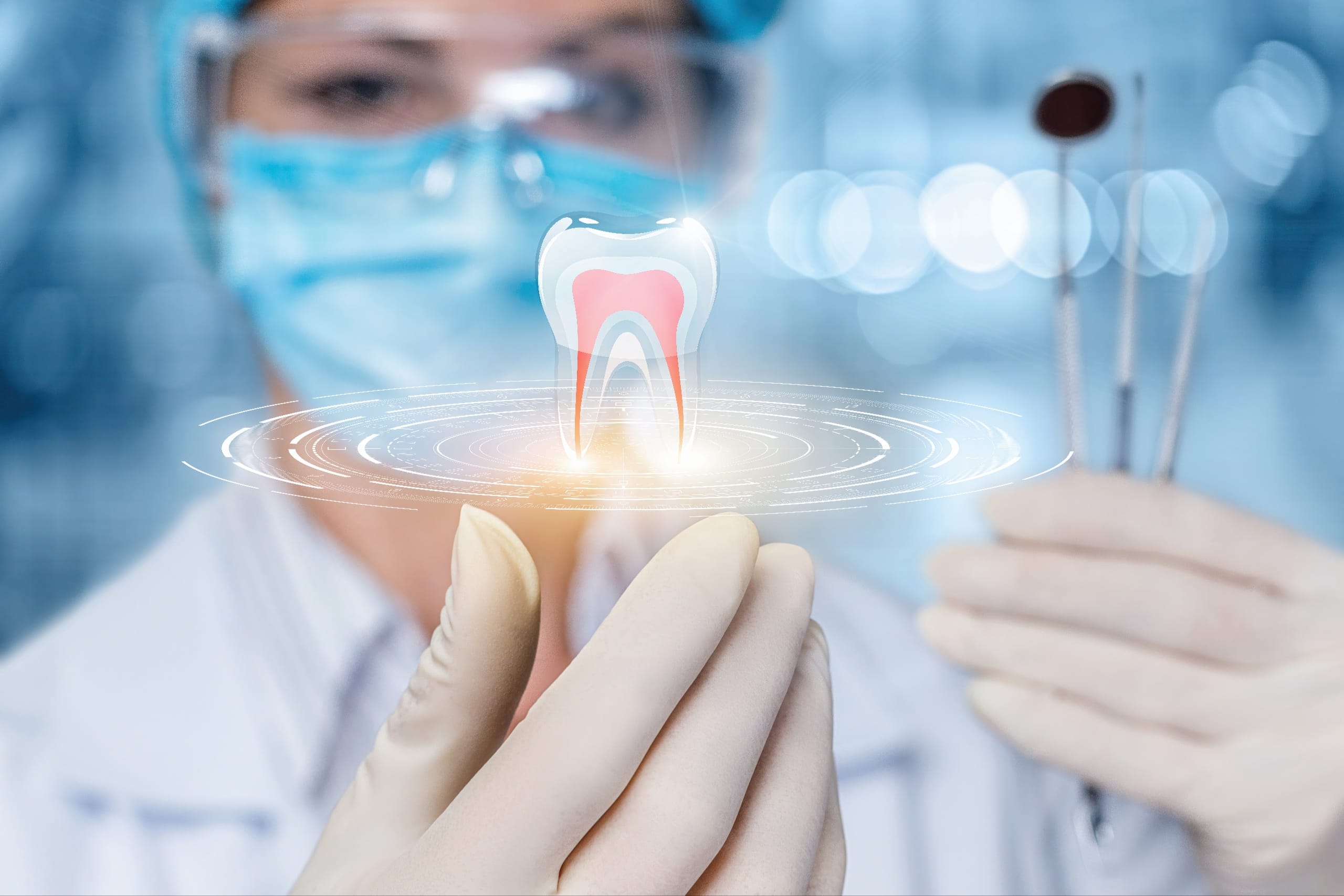
A painful or infected tooth does not always need to be removed. Paramount Dental in Sacramento, CA, offers root canal therapy to treat infection or inflammation inside a tooth, relieve discomfort, and preserve the natural tooth whenever possible.
Benefits of Root Canal Therapy
Root canal therapy is designed to eliminate infection or inflammation within a tooth while allowing you to keep the natural tooth structure.
- Preserves your natural tooth: Root canal treatment can often save a tooth that might otherwise require extraction.
- Relieves infection-related discomfort: Removing inflamed or infected pulp addresses the underlying source of many toothaches.
- Restores chewing function: Once treatment and the final restoration are complete, the tooth can continue functioning as part of your natural bite.
- Helps prevent infection from progressing: Cleaning and sealing the root canal system helps prevent bacteria from continuing to damage the tooth.
- Avoids an immediate tooth-replacement procedure: Saving the tooth can eliminate the need to replace it with a bridge, implant, or removable prosthesis.
- Maintains your natural smile: Keeping your tooth helps preserve natural tooth positioning and appearance.
The Root Canal Procedure
Root canal treatment may be completed in one or more appointments depending on the tooth, extent of infection, and complexity of the root canal system.
- Examination and diagnosis: Your dentist evaluates the affected tooth, symptoms, and surrounding tissues. Dental X-rays are typically used to assess the roots and supporting bone.
- Local anesthesia: The area is numbed to help keep you comfortable during treatment.
- Accessing the tooth: A small opening is created so the dentist can reach the pulp chamber and root canals.
- Cleaning the canals: Inflamed or infected pulp is removed, and the inside of the tooth is carefully cleaned and shaped.
- Filling and sealing: The cleaned canals are filled with a biocompatible material and sealed to reduce the risk of reinfection.
- Restoring the tooth: A temporary or permanent filling may be placed. Many root canal-treated teeth, particularly back teeth, require a dental crown for additional protection.
Although root canals have a reputation for being uncomfortable, modern anesthesia and treatment techniques are designed to make the procedure similar in comfort to many other routine restorative treatments.
Candidacy & Alternatives
A root canal may be recommended when the pulp inside a tooth becomes inflamed, infected, or irreversibly damaged. This can happen because of deep decay, cracks, trauma, repeated dental procedures, or problems involving an existing restoration.
Signs You May Need a Root Canal
- Persistent or severe tooth pain
- Pain when biting or chewing
- Lingering sensitivity to hot or cold temperatures
- Swelling or tenderness around a tooth
- A pimple-like bump on the gums
- A cracked or significantly damaged tooth
- Darkening or discoloration of a tooth
These symptoms do not automatically mean you need root canal treatment. Tooth pain can have several causes, so an examination and appropriate imaging are necessary to determine the correct diagnosis.
Alternatives to Root Canal Treatment
When a tooth can be predictably saved, root canal therapy may allow you to retain your natural tooth. If the tooth cannot be restored successfully, extraction may be necessary.
- Tooth extraction: Removing the tooth eliminates the diseased tooth but leaves a space that may need to be restored.
- Dental implants: An implant may replace an extracted tooth when bone health and other clinical factors permit.
- Dental bridges: A bridge can replace a missing tooth by using neighboring teeth for support.
- Endodontic retreatment: A previously treated tooth that develops new symptoms may sometimes be treated again rather than extracted.
Your dentist will consider the amount of healthy tooth structure remaining, root condition, bone support, infection, and overall restorability when discussing whether the tooth can be saved.
Root Canal Cost & Insurance
The cost of root canal therapy varies depending on:
- The tooth being treated
- The complexity of the tooths root anatomy (molars generally have more canals)
- Whether retreatment is needed
- Additional restorations that are required (such as a dental crown)
Many dental insurance plans provide some coverage for medically necessary root canal therapy, but deductibles, annual maximums, waiting periods, and coverage percentages vary. Our Sacramento office team will review your specific benefits and provide and estimated cost for your treatment plan.
Paramount dental is also pleased to offer financing and payment plans for qualifying patients. Contact our office or read more about your options on our insurance and financing page.
Aftercare & Maintenance
Some tenderness or sensitivity around the treated tooth can occur for a few days after root canal therapy. Following your dentist’s instructions can help support comfortable healing and protect the tooth.
- Avoid chewing until the numbness from local anesthesia has completely worn off.
- Follow your dentist’s instructions for over-the-counter or prescribed medications.
- Avoid biting hard foods on a tooth with a temporary filling or temporary restoration.
- Brush and floss normally unless your dentist provides different instructions for the treated area.
- Return promptly for your permanent filling or crown if treatment is not completed during the root canal appointment.
- Continue regular dental examinations and professional cleanings.
A tooth that has received root canal therapy can still develop decay or gum problems, so consistent oral hygiene remains important.
When to Contact Your Dentist
Call Paramount Dental at (916) 443-1905 if you develop severe or increasing pain, significant swelling, a reaction to medication, a temporary restoration that comes out, or symptoms that concern you after treatment.
Root Canal FAQs
Can a root canal actually save my tooth?
Yes. Root canal therapy is specifically designed to preserve a natural tooth when the pulp inside has become inflamed, infected, or damaged. Whether a tooth can be saved depends on factors such as the amount of remaining healthy structure, root condition, and surrounding bone support.
Why might a tooth need a crown after a root canal?
A tooth may be weakened by decay, fractures, previous restorations, and the access needed for root canal treatment. A crown can help protect the remaining tooth structure and restore chewing function. Whether a crown is necessary depends partly on the tooth’s location and condition.
How long does root canal treatment take?
The treatment time depends on which tooth is involved, the number and shape of its canals, and the extent of infection. Some cases can be completed in one appointment, while others may require additional visits and a separate appointment for the final restoration.
What happens if I delay a needed root canal?
An untreated pulp infection may worsen and can lead to increased pain, swelling, an abscess, or further damage to the surrounding tissues. Delaying treatment can also reduce the possibility of saving a severely damaged tooth.
Can a tooth become infected again after root canal therapy?
It is possible for a previously treated tooth to develop new infection or inflammation. Causes can include untreated canal anatomy, new decay, cracks, or problems with the final restoration. Depending on the situation, retreatment or another procedure may be considered.
Can I drive myself home after a root canal?
Patients who receive only local anesthesia can often drive themselves after treatment once they feel comfortable doing so. If additional sedation is used, transportation requirements may be different. Confirm your specific instructions with the dental team before your appointment.
Can I eat after having a root canal?
Wait until the numbness has completely worn off before eating to avoid accidentally biting your cheek, lip, or tongue. If the tooth has a temporary restoration, avoid hard or sticky foods on that side until your dentist confirms the tooth is fully restored.
Is extraction cheaper than having a root canal?
An extraction may initially cost less in some cases, but replacing the missing tooth with a dental implant or bridge can add treatment and cost. Comparing the full treatment plan is more useful than comparing only the initial procedures.
If you have persistent tooth pain, sensitivity, swelling, or signs of infection, an evaluation at Paramount Dental’s Sacramento office can determine whether root canal therapy may help preserve your natural tooth and restore comfortable function.