
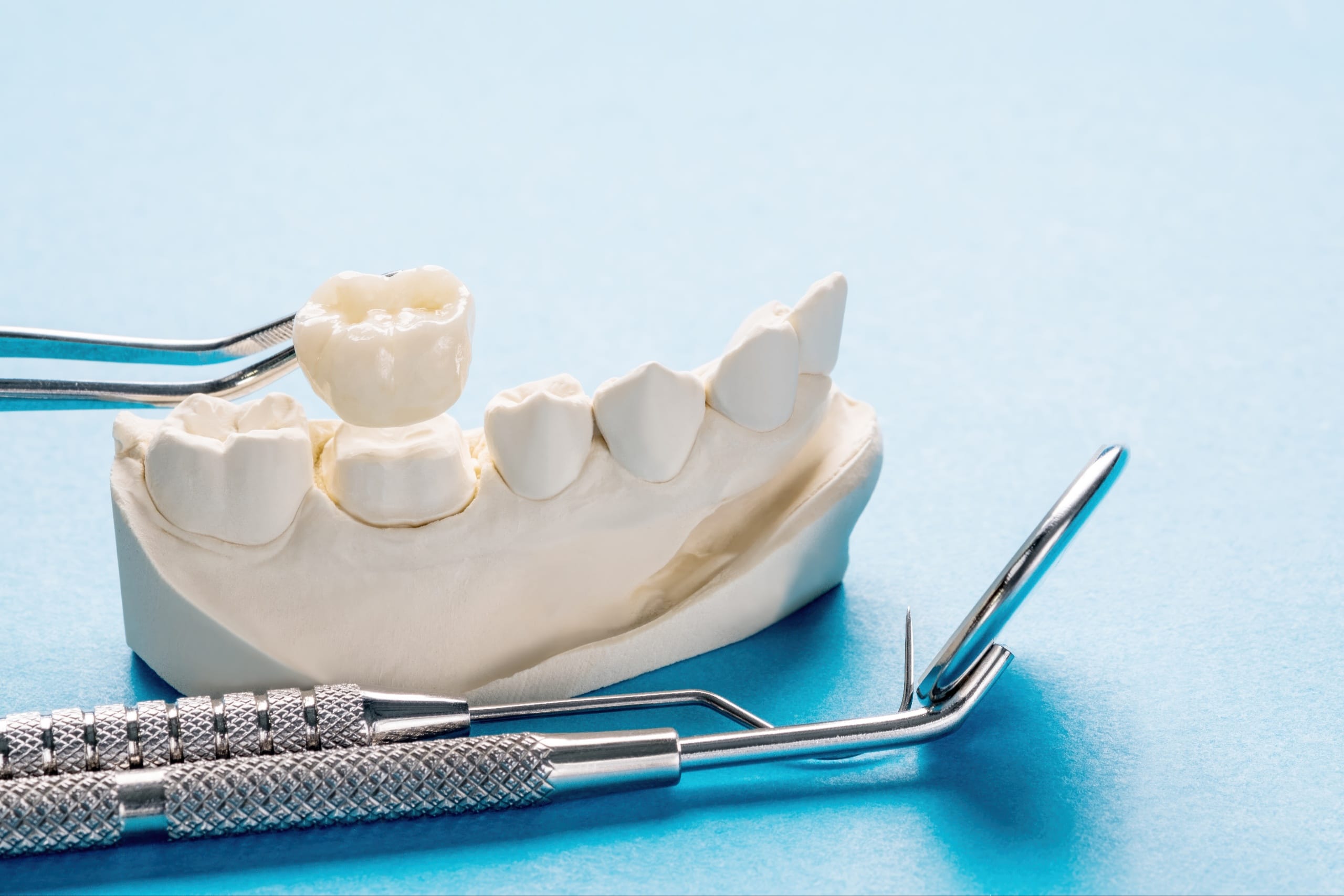
A damaged tooth does not always need to be removed. At Paramount Dental in Sacramento, a dental crown may help preserve a tooth that has become weak, worn, cracked, or suffers from decay. A crown covers the visible portion of the tooth, helping it handle daily chewing while improving its overall appearance.
Benefits of Dental Crowns
A dental crown is a full-coverage restoration that fits over a prepared tooth. It provides added support when a tooth no longer has enough healthy structure to function reliably with a filling alone. Crowns may be used to:
- Help reinforce a weakened or damaged tooth.
- Restore a more natural shape for biting and chewing.
- Improve the look of a discolored, misshapen, or worn tooth.
- Provide support for a dental bridge
- Reduce the risk of further fracture in an appropriately treated tooth.
Dental crown materials can be customized to complement surrounding teeth. Our Sacramento dentist will recommend a material option based on the tooth’s location, your bite, cosmetic goals, and the amount of natural tooth structure remaining.
Dental Crown Procedure
Crown treatment is customized, but most cases follow a predictable sequence.
Examination
Your dentist first examines the tooth and determines whether decay removal, a filling, root canal treatment, or another step is needed before the tooth can be restored.
Preparing the Tooth
The tooth is reshaped so the crown fits securely without feeling bulky. Local anesthetic is typically used to help keep you comfortable during this visit.
Digital Scans
Your dentist takes an impression or digital scan of the prepared tooth and surrounding teeth. This information guides the creation of a crown designed to fit your bite and blend with your smile.
Protecting the Tooth Between Visits
A temporary crown may be placed while a dental laboratory creates the final restoration. Avoid sticky foods and chewing hard items on the temporary crown unless your dentist gives different instructions.
Final Crown Placement
At your return visit, your dentist checks the crown’s fit, contour, shade, and bite before securing it. Adjustments may be made so your bite feels balanced and comfortable.
Dental Crown Candidacy & Alternatives
A crown may be appropriate when a tooth is still restorable but needs more coverage and support than a filling can provide. Common examples include:
- Teeth with extensive decay
- A tooth with a large existing restorations
- Teeth that are cracked, fractured, or suffer from substantial wear
Not every damaged tooth requires a crown. When a problem is smaller or more localized recommended treatment alternatives may be:
- A filling, inlay, or onlay that preserves the natural tooth structure.
- A porcelain veneer for a cosmetic concern
If a tooth cannot be restored successfully, your Sacramento dentist may review replacement options such as a dental bridge or dental implant. The right recommendation depends on the tooth’s condition, surrounding bone and gums, bite, and your long-term goals.
Dental Crown Cost & Insurance
Dental crown fees vary because each restoration is part of a customized tooth and treatment plan. Cost depends on the tooth’s location, the chosen crown material, laboratory work, the amount of preparation needed, and whether other treatments are necessary before crown placement.
Dental insurance plans may provide benefits for crowns when treatment is considered restorative, but coverage depends on your specific policy. Paramount Dental can review your treatment cost estimate and help you understand how your benefits may apply. We also offer financing and payment plans that may help with out-of-pocket cost. Ask us more at your consultation appointment.
Dental Crown Aftercare & Maintenance
A crown is designed to function like a natural tooth, but the tooth underneath and the gums around it still need daily care. Plaque can collect at the crown margin near the gumline, increasing the risk of decay or gum inflammation if it is not removed consistently. To reduce this risk we recommend:
- Brushing twice daily with fluoride toothpaste and a soft-bristled toothbrush.
- Flossing every day, cleaning carefully where the crown meets the gumline.
- Regularly scheduled dental exams and professional cleanings.
- Avoid chewing ice, hard candy, or non-food objects.
- Asking about a nightguard if you clench or grind your teeth.
Contact Paramount Dental at (916) 443-1905 if your crown feels loose, chips, cracks, causes persistent sensitivity, or changes the way your teeth come together.
Dental Crown FAQs
What does a dental crown do?
A dental crown covers and protects a damaged or weakened tooth. It helps restore the tooth’s shape, improves chewing function, and provides more support than a filling when significant tooth structure is missing.
Is a crown the same as a cap?
Yes. “Cap” is a common everyday term for a dental crown. Both refer to a restoration that covers the visible portion of a tooth above the gumline.
How do dentists decide whether I need a crown?
Your dentist evaluates the amount of healthy tooth structure remaining, the location of the tooth, your bite, the size of existing fillings, and whether cracks, decay, or other concerns are present. The goal is to recommend the most conservative option that protects the tooth effectively.
Will my crown match my other teeth?
Many crown materials can be selected and shaded to complement nearby teeth. The degree of shade matching depends on the material, the location of the tooth, and the natural variation in your smile.
Can I brush and floss around a dental crown?
Yes. Regular brushing and flossing are essential because the crown itself cannot decay, but the natural tooth at the crown edge and the surrounding gums can still develop problems without consistent home care.
What happens if my temporary crown comes off?
Contact our office for instructions as soon as possible. Keep the temporary crown if you can find it, avoid chewing on that tooth, and do not use household glue to reattach it.
Can an old dental crown be replaced?
Yes. A crown may need replacement if it becomes worn, damaged, loose, or no longer protects the tooth properly. Your dentist will examine the restoration and tooth to determine the most appropriate next step.