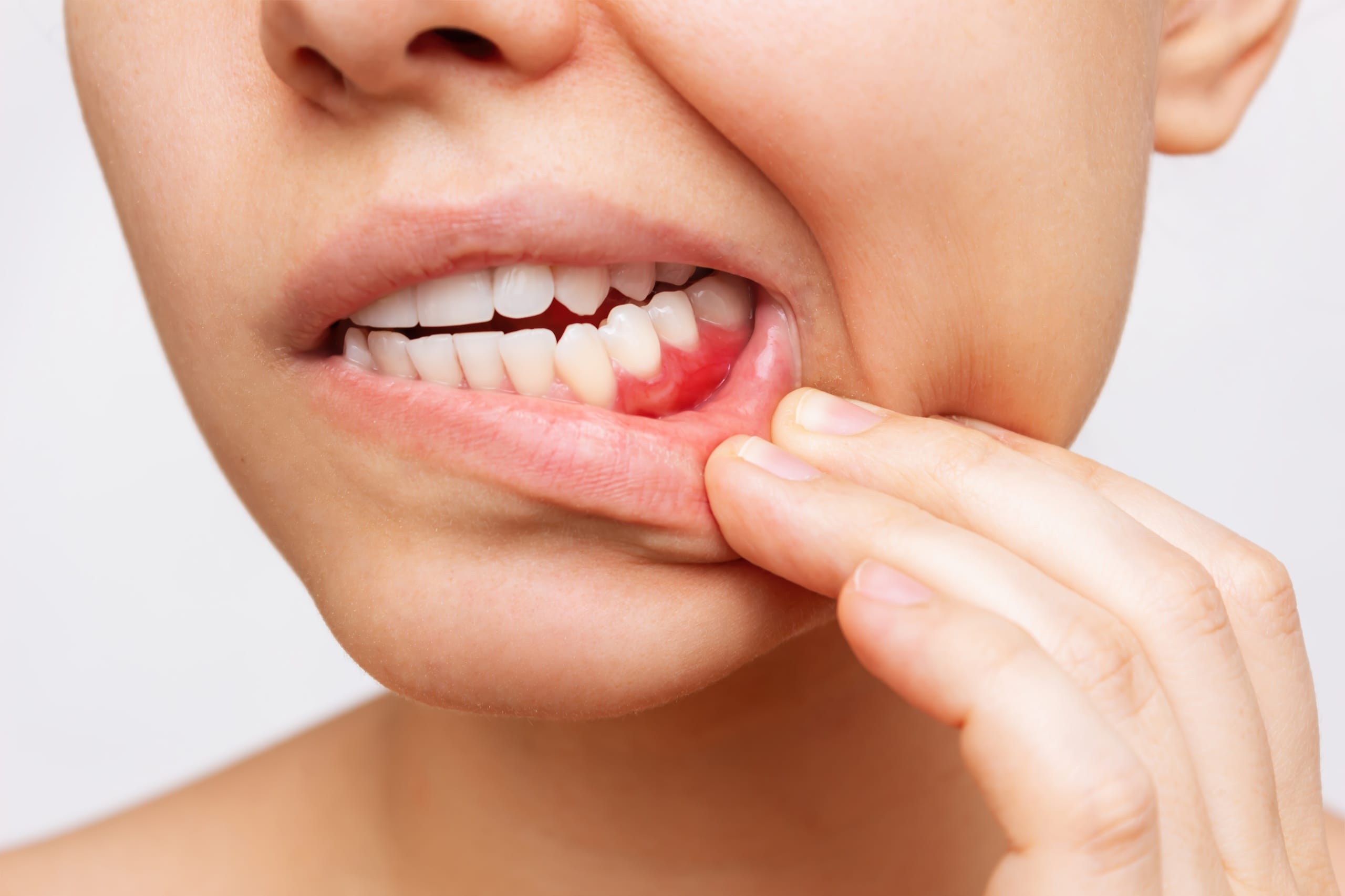
Bleeding, swollen, or tender gums can be an early sign that your gums need extra attention. At Paramount Dental in Sacramento, we evaluate gum health as part of preventive care so we can identify and treat inflammation, periodontal pockets, and bone changes appropriately.
Benefits of Treating Gum Disease
Gum disease is often easier to manage when it is identified early. Gingivitis, the earliest stage, can cause redness, swelling, and bleeding without damaging the bone that supports your teeth. When inflammation progresses to periodontitis, the gums can pull away from the teeth and form deeper pockets where bacteria collect.
Professional gum disease care can help:
- Reduce plaque, tartar, and bacteria around and below the gumline.
- Address gum inflammation and bleeding.
- Reduce periodontal pocket depths when treatment is successful.
- Help protect the bone and tissues that support your teeth.
- Reduce persistent bad breath associated with plaque and gum inflammation.
- Lower the risk of gum disease progressing and contributing to loose or lost teeth.
- Create a healthier foundation for maintaining your natural smile.
Because gum disease can develop with few noticeable symptoms, regular dental exams and periodontal evaluations are important even when your gums do not hurt.
How Gum Disease Is Evaluated and Treated
Your treatment plan depends on the health of your gums, the depth of the spaces around your teeth, the amount of plaque and tartar present, and whether there has been loss of supporting tissue or bone.
- Gum Health Evaluation: Your dental team examines your gums for redness, swelling, bleeding, recession, and other changes. Periodontal measurements may be taken around your teeth to evaluate pocket depths and look for areas where the gums have pulled away from the teeth. Dental X-rays may also be recommended when your dentist needs to evaluate the bone supporting your teeth or monitor changes associated with periodontal disease.
- Treatment for Gingivitis: If inflammation is limited to the gums and there is no loss of supporting bone or attachment, professional cleaning and better daily plaque control may be enough to restore healthier gums. Your dental team can show you areas that need additional attention and recommend brushing and interdental-cleaning techniques that fit your needs.
- Scaling and Root Planing: If gum disease has progressed to periodontitis, a regular dental cleaning may not be enough. Scaling and root planing, sometimes called a deep cleaning, may be recommended to remove plaque and hardened tartar from above and below the gumline.
- Scaling removes deposits from the teeth and periodontal pockets.
- Root planing cleans and smooths affected root surfaces so the gums have a healthier surface against which to heal.
- Depending on the extent of treatment needed, scaling and root planing may be completed over more than one appointment.
- Comfort During Treatment: Local anesthetic may be used during scaling and root planing to keep sensitive areas comfortable.
- Reevaluation: After periodontal treatment, your dentist may recheck your gums to see how they have responded. Pocket depths, bleeding, inflammation, and home-care effectiveness can help determine whether routine monitoring, periodontal maintenance, or additional treatment is appropriate.
Candidacy & Alternatives
You may need a gum disease evaluation if you notice changes around your gums or if periodontal concerns are identified during a routine dental visit.
Common warning signs include:
- Gums that bleed while brushing or flossing.
- Red, swollen, or tender gums.
- Persistent bad breath.
- Gums that appear to be pulling away from your teeth.
- Teeth that look longer because of gum recession.
- Loose or shifting teeth.
- Changes in the way your teeth come together.
- Pus or persistent swelling around the gums.
Smoking, diabetes, difficulty controlling plaque, certain medications, genetics, and other health factors may affect your risk of periodontal disease or how quickly it progresses. Share your complete medical history and current medications with your dental team so your treatment plan can reflect your individual needs.
Routine Cleaning vs. Periodontal Treatment
A routine cleaning is preventive care for generally healthy gums. Scaling and root planing is therapeutic treatment for periodontal disease and cleans deeper below the gumline. The correct service depends on your periodontal diagnosis rather than simply how much tartar is visible.
More advanced periodontal disease may require treatment beyond nonsurgical deep cleaning. If additional periodontal procedures are appropriate, your dentist can discuss treatment options or recommend evaluation by a periodontal specialist.
Gum Disease Treatment Cost & Insurance
The cost of gum disease treatment depends on the severity and extent of the condition, how many areas of the mouth require treatment, whether diagnostic x-rays are needed, and the type of periodontal care recommended.
Dental insurance often treats periodontal procedures differently from routine preventive cleanings. Your coverage may depend on your diagnosis, periodontal measurements, x-ray findings, plan limitations, deductibles, and how many areas require treatment. Paramount Dental will review your insurance benefits and help estimate your expected out-of-pocket costs before treatment. Visit the insurance and financing page for additional information about financing and payment options that you may qualify for.
Aftercare & Maintenance
After scaling and root planing, your gums may temporarily feel tender and your teeth may be more sensitive. The following will help you recover more comfortably at home:
- Avoid very hot, spicy, crunchy, or hard foods until the treated areas feel more comfortable.
- Brush gently around the treated areas and follow any special cleaning instructions from your dental team.
- Take any recommended pain medication exactly as directed.
- Avoid smoking or tobacco use, which can slow healing.
- Contact your dentist if you develop heavy bleeding, severe pain, significant swelling, fever, or symptoms that are getting worse.
Your dentist will most likely recommend periodontal maintenance visits at an interval based on your disease history, current gum health, plaque control, and other risk factors.
To support healthier gums between visits:
- Brush twice daily with fluoride toothpaste and a soft-bristled toothbrush.
- Clean between your teeth every day with floss, interdental brushes, or another recommended method.
- Follow your recommended periodontal maintenance schedule.
- Avoid tobacco use.
- Manage medical conditions such as diabetes with your healthcare team.
- Contact your dentist if gum bleeding, swelling, recession, or tooth mobility develops or worsens.
Periodontitis requires long-term monitoring. Even when treatment successfully controls the disease, consistent professional maintenance and daily plaque removal are important for reducing the chance of recurrence or progression.
Gum Disease FAQs
What causes gum disease?
Gum disease begins when plaque containing bacteria builds up around the teeth and gums. If plaque is not adequately removed, the gums can become inflamed. Other factors, including smoking, diabetes, genetics, certain medications, and oral hygiene habits, may also affect your risk.
What is the difference between gingivitis and periodontitis?
Gingivitis is inflammation limited to the gums and does not involve loss of the bone or attachment supporting the teeth. Periodontitis is a more advanced form of gum disease in which supporting tissues and bone are damaged.
Do bleeding gums mean I have gum disease?
Bleeding gums are a common warning sign of inflammation, but they do not confirm a diagnosis by themselves. A dental examination can help determine why your gums are bleeding and whether periodontal treatment is needed.
Can gum disease be cured?
Gingivitis can often be reversed with professional care and consistent oral hygiene. Periodontitis causes permanent loss of supporting tissue and bone, so treatment focuses on controlling the disease, preventing further damage, and maintaining gum health over time.
What is a deep cleaning?
A deep cleaning generally refers to scaling and root planing. The procedure removes plaque and tartar from above and below the gumline and cleans affected root surfaces. It is used to treat periodontitis and is different from a routine preventive cleaning.
Does scaling and root planing hurt?
Local anesthetic can be used to keep you comfortable during treatment. Afterward, temporary gum tenderness or tooth sensitivity can occur. Your dental team will explain what to expect and how to care for your mouth as it heals.
Can gum disease cause tooth loss?
Yes. Advanced periodontitis can damage the bone and tissues that hold teeth in place. Without treatment, affected teeth may become loose and can eventually require removal. Treating and maintaining gum health can help reduce further damage.
How often will I need periodontal maintenance?
Your maintenance schedule depends on your periodontal health, previous treatment, plaque buildup, risk factors, and response to therapy. Your dentist will recommend an interval based on your individual needs rather than using the same schedule for everyone.
Is gum disease contagious?
Periodontal disease itself is not generally described as a contagious disease. Bacteria associated with the mouth can be shared through saliva, but whether someone develops gum disease depends on many factors, including oral hygiene, immune response, smoking, health conditions, and genetics.
Bleeding or swollen gums should not be ignored. Get a clearer picture of your gum health and personalized recommendations from Paramount Dental by requesting an appointment or calling (916) 443-1905.
Schedule A Gum Disease Consultation
Explore Dental Services at Our Midtown Sacramento, CA Location