
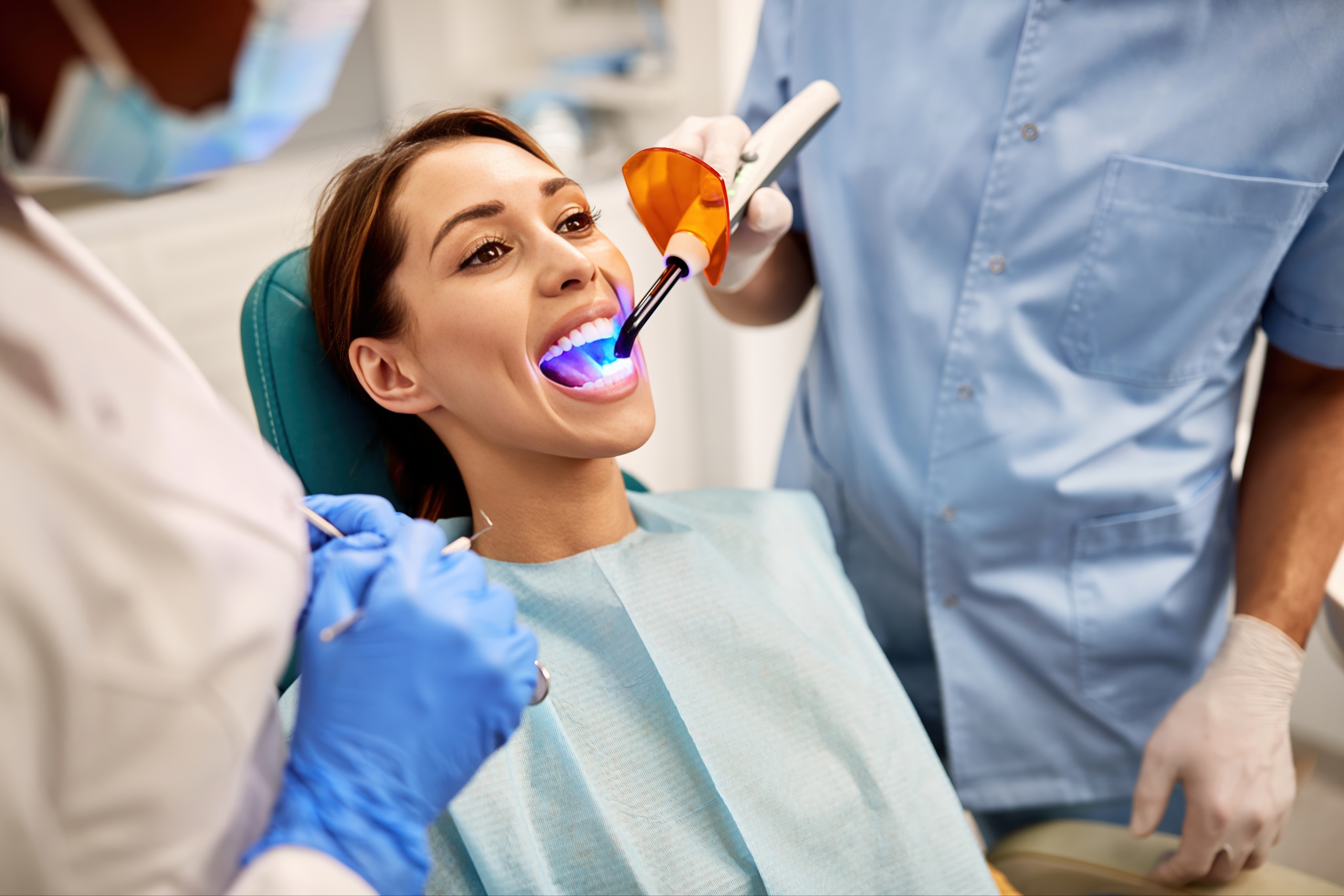
Cavities and minor tooth damage can worsen when left untreated. At Paramount Dental in Placerville, dental fillings provide a conservative way to repair localized decay, small chips, and minor cracks while preserving as much healthy natural tooth structure as possible.
Benefits of Dental Fillings
Treating localized tooth damage early has many benefits.
- Preserve more natural tooth structure: Fillings are designed to repair a localized area without covering the entire tooth when sufficient healthy structure remains.
- Stop active decay from progressing: Removing decayed tissue and restoring the area helps prevent the existing cavity from continuing to damage the tooth.
- Restore everyday function: Rebuilding the damaged portion of a tooth can make biting and chewing more comfortable.
- Protect vulnerable tooth structure: Filling a small cavity, chip, or defect can help prevent food and bacteria from repeatedly collecting in the damaged area.
- Maintain a natural-looking smile: Tooth-colored restorative materials can be selected to coordinate with surrounding tooth structure when appropriate.
- Reduce the risk of more complex treatment: Addressing a smaller problem before it becomes extensive may help avoid the need for a crown, root canal treatment, or extraction.
Dental Filling Procedure and Process
Dental filling treatment begins with an evaluation of the affected tooth. Our dentist in Placerville may also recommend dental x-rays when additional information is needed to determine the extent of decay or damage.
- Examination and diagnosis: Your dentist evaluates the tooth, symptoms, surrounding tissues, and amount of healthy structure remaining.
- Comfort and anesthesia: Local anesthetic is commonly used to numb the treatment area and help keep you comfortable during the procedure.
- Removing damaged tooth structure: Decayed or compromised material is carefully removed while healthy tooth structure is preserved whenever possible.
- Preparing the tooth: The area is cleaned and prepared to receive the selected restorative material.
- Placing the filling: For composite resin restorations, tooth-colored material is placed and shaped in increments and hardened with a curing light.
- Shaping and polishing: The restoration is refined so it feels smooth and integrates with the natural contours of the tooth.
- Checking your bite: Your dentist verifies how the restored tooth contacts the opposing teeth and makes adjustments when necessary.
Most dental filling treatments can be completed during one appointment. The exact procedure depends on the tooth, size and location of the damaged area, restorative material, and whether additional treatment is needed.
Candidacy & Alternatives
A dental filling may be appropriate when decay, a small chip, a minor fracture, or another localized defect affects a limited portion of a tooth and enough healthy structure remains to support the restoration.
Your Placerville dentist will consider the size and depth of the damage, location of the tooth, bite forces, symptoms, previous restorations, and the condition of the dental pulp before recommending a filling.
When Another Restoration May Be Better
- Inlay or onlay: A larger custom restoration may be considered when the tooth requires more reinforcement than a standard filling but does not need full crown coverage.
- Dental crown: A crown may provide better protection when a large portion of the tooth is weakened, cracked, or missing.
- Root canal treatment: Root canal therapy may be needed when decay or damage reaches the inner pulp and causes irreversible inflammation or infection.
- Tooth extraction: If damage is too extensive for predictable restoration, removal may be necessary. Your dentist can then discuss replacement options such as dental implants or dental bridges.
Paramount Dental can recommend the most conservative treatment expected to restore the tooth predictably after completing an examination.
Cost & Insurance
The cost of a dental filling varies according to the tooth being treated, the size and location of the cavity or damage, restorative material, and whether diagnostic imaging or other treatment is required.
Most dental insurance plans provide benefits for fillings, but coverage varies. The Placerville office team at Paramount Dental can help review your estimated benefits before treatment. You may also inquire about financing and payment plan options that you may qualify for. Visit our insurance and financing page for more information.
Aftercare & Maintenance
Mild sensitivity to temperature or pressure can occur after a filling and often improves as the tooth adjusts. You will received instructions following your treatment which may include:
- Wait until numbness has worn off before chewing to reduce the chance of accidentally biting your cheek, lip, or tongue.
- Brush twice daily with fluoride toothpaste.
- Clean between your teeth every day with floss or another recommended interdental cleaner.
- Limit frequent sugary snacks and beverages that contribute to cavity formation.
- Continue regular dental exams and professional cleanings so existing restorations can be monitored.
- Avoid chewing ice, pens, or other extremely hard objects that could damage natural teeth or restorations.
- Tell your dentist if you grind or clench your teeth so appropriate protective measures can be discussed.
Dental fillings do not last indefinitely. Normal wear, bite forces, recurrent decay, grinding, and other factors can eventually make repair or replacement necessary. Always contact Paramount Dental at (530) 295-8000 if a filling feels loose or broken, your bite feels uneven, or you develop persistent pain, swelling, or sensitivity.
Dental Fillings FAQs
Can a cavity develop around an existing filling?
Yes. The filling material itself does not develop decay, but the natural tooth around its edges can. Regular brushing, interdental cleaning, dental exams, and professional cleanings help reduce the risk of new decay forming around a restoration.
Why does my new filling feel too high when I bite?
A newly restored tooth may occasionally contact the opposing tooth differently than expected once the numbness disappears. If one tooth seems to hit first or chewing feels uncomfortable, contact Paramount Dental. A small bite adjustment may be needed.
Can a filling repair a chipped tooth?
Dental filling material may be appropriate for selected small chips or minor areas of damage. Larger fractures or teeth weakened by extensive damage may require another restoration, such as an inlay, onlay, or dental crown.
Why can a tooth still feel sensitive after the cavity is filled?
Temporary sensitivity can occur after treatment because the tooth has been prepared and restored. The depth of the original cavity and the tooth’s response to treatment can also influence sensitivity. Persistent, worsening, or severe symptoms should be evaluated by your dentist.
Can I floss normally around a dental filling?
Yes. Daily cleaning between teeth remains important after a filling. Floss should generally pass through the contact area and along the side of the tooth normally. If floss repeatedly catches, tears, or cannot pass around a new restoration, let your dental team know.
What happens if a filling cracks or falls out?
Contact Paramount Dental for an examination. The tooth may be more vulnerable to sensitivity, additional damage, or bacterial contamination after a restoration breaks or comes loose. Your dentist can determine whether the area should be repaired, refilled, or restored another way.
Can a tooth need a crown after having several fillings?
Potentially. Repeated decay or large restorations can leave less healthy tooth structure available to support another filling. If the remaining tooth becomes significantly weakened, a crown or another type of restoration may provide more predictable protection.
How can I reduce my chances of needing more fillings?
Brush twice daily with fluoride toothpaste, clean between your teeth every day, limit frequent sugary foods and drinks, and maintain professional preventive visits. Your dental team may recommend additional preventive measures based on your individual cavity risk.