
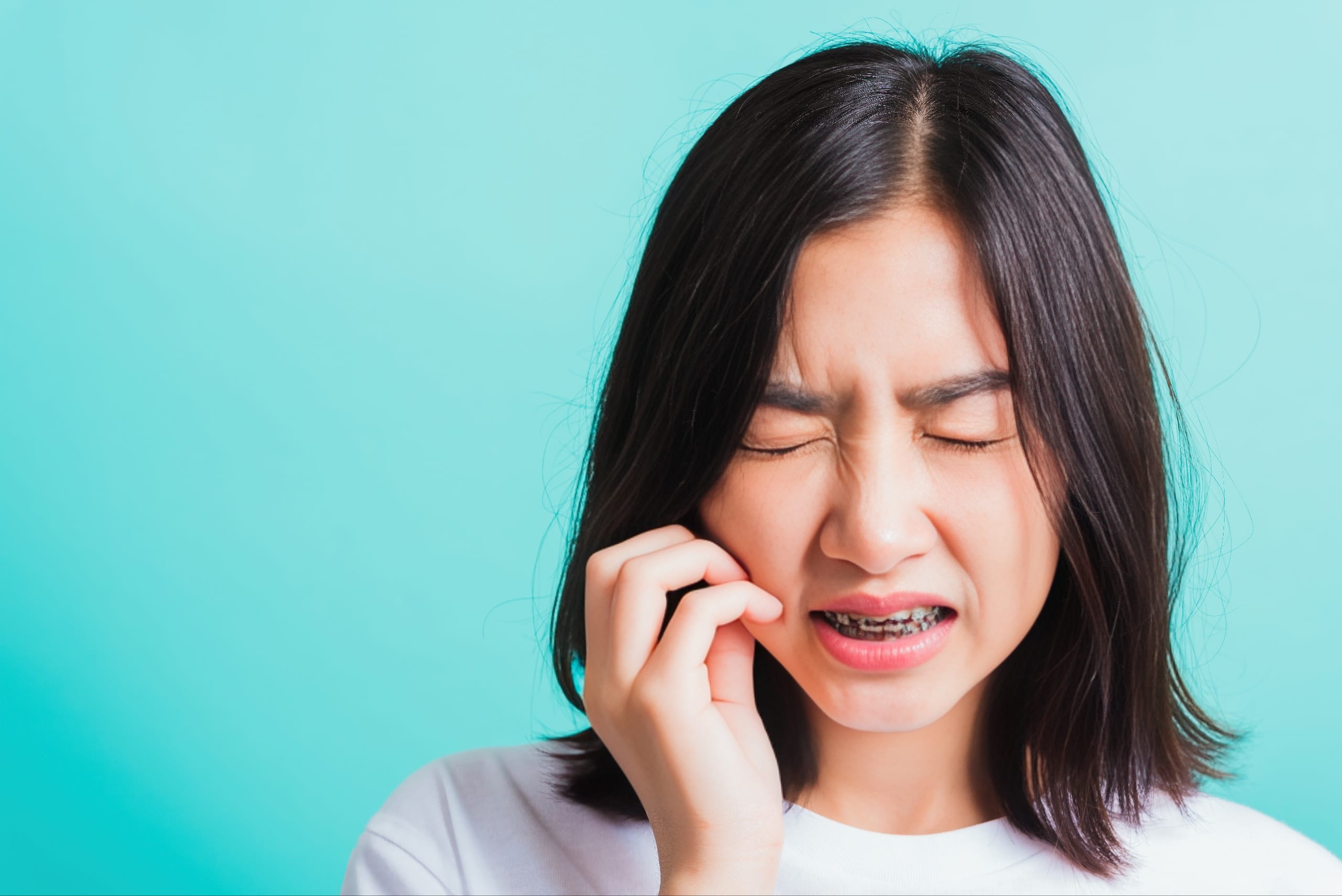
An unexpected problem with braces, retainers, aligners, or another orthodontic appliance can quickly become uncomfortable and may interfere with treatment. Paramount Dental provides orthodontic injury evaluations in Elk Grove for patients experiencing broken appliances, mouth irritation, dental trauma, or other concerns that need timely attention. A prompt evaluation can help determine the safest next step.
Benefits of Prompt Orthodontic Injury Care
Most orthodontic problems are not life-threatening emergencies, but damaged appliances often cause pain, scrape soft tissues, or stop applying the forces needed for treatment. An accident involving braces can also injure the teeth or supporting structures independently of the orthodontic appliance.
Having an orthodontic injury evaluated helps:
- Identify loose, bent, broken, or displaced appliance components
- Protect the cheeks, lips, tongue, and gums from sharp wires or brackets
- Check teeth for cracks, looseness, displacement, or other trauma
- Determine whether a damaged retainer or removable appliance should still be worn
- Address bleeding, swelling, or persistent mouth pain
- Reduce the chance that an appliance problem will unnecessarily disrupt orthodontic progress
- Determine whether care should involve your dentist, orthodontic provider, or both
Broken wires, loose brackets, and damaged retainers should be reported to the provider managing your orthodontic treatment. When an accident has also injured a tooth or oral tissue, dental evaluation may be needed in addition to orthodontic repair.
Heavy or uncontrolled bleeding, difficulty breathing, suspected jaw fracture, loss of consciousness, or significant facial trauma requires emergency medical attention.
Orthodontic Injury Evaluation & Treatment
During an orthodontic injury visit at Paramount Dental, our Elk Grove dentist will first determine what happened and which structures may have been affected. You may be asked whether the problem resulted from eating, appliance wear, sports, a fall, or a direct blow to the face.
Next comes the examination which may include the braces or removable appliance as well as the teeth, gums, lips, cheeks, bite, and surrounding tissues. Dental X-rays may be recommended when an impact has raised concern about a tooth root, supporting bone, or another structure that cannot be completely evaluated by sight alone.
The appropriate treatment depends on the injury but may include:
- Protecting irritated tissues from a sharp orthodontic component
- Evaluating cuts or abrasions caused by wires or brackets
- Checking a loose or displaced orthodontic component
- Assessing a broken retainer, aligner, or removable appliance
- Evaluating a tooth that became painful, loose, chipped, or displaced after an impact
- Treating associated dental trauma when necessary
- Coordinating with the orthodontic provider when specialized appliance repair or adjustment is required
Following are some things you should/should not do prior to coming into our office for evaluation and treatment:
- If a wire or bracket is rubbing against the cheek or gum, orthodontic wax can often be used as a temporary barrier over the sharp area.
- Choose softer foods and avoid biting into hard, crunchy, or sticky foods that could make the damage worse.
- Do not repeatedly pull, bend, or manipulate a damaged appliance unless your dental or orthodontic provider specifically instructs you to do so.
- If a removable retainer, aligner, or appliance breaks, save the pieces and contact your provider for instructions about whether you should continue wearing it.
- If an orthodontic component has cut the inside of the mouth, gentle rinsing can help keep the area clean.
- Persistent or significant bleeding should be evaluated promptly.
Candidacy & Alternatives for Orthodontic Injury Care
Patients wearing braces or using retainers, aligners, or other orthodontic appliances should seek professional guidance when something breaks, shifts, becomes painful, or stops fitting as expected. Dental evaluation is particularly important when the problem began after an impact to the mouth. Contact an Elk Grove dentist or your orthodontic provider if you experience:
- A wire that has broken or moved out of position
- A loose or detached bracket or band
- A retainer or removable appliance that has cracked or broken
- An aligner that no longer fits after an accident
- A tooth that becomes loose, chipped, painful, or displaced
- Repeated cuts to the cheek, lips, tongue, or gums
- Unexpected swelling or significant oral pain
- A bite that suddenly feels different after an injury
A mildly irritating wire or bracket may sometimes be temporarily covered with orthodontic wax until professional advice is available. Home measures should not replace an examination after significant trauma or when a tooth has changed position, become loose, fractured, or developed substantial pain. If the appliance itself requires specialized adjustment, your dentist may recommend follow-up with the orthodontic provider responsible for your treatment.
Patients interested in current orthodontic treatment options can learn more about orthodontics at Paramount Dental.
Orthodontic Injury Cost & Insurance
The cost of care depends on what has been injured and which services are necessary. Factors that affect cost include:
- The type of orthodontic appliance involved
- Whether teeth or oral tissues were also injured
- Whether diagnostic imaging is required
- The extent of any dental trauma
- Whether an appliance needs adjustment, repair, or replacement
- Whether additional restorative treatment is necessary
Dental and orthodontic insurance benefits vary by plan. Emergency examinations, diagnostic imaging, dental trauma treatment, appliance repair, and replacement appliances may have different coverage requirements or limitations. The office team at our Elk Grove location will review available benefit information and explain estimated costs for recommended services. You can also visit our insurance and financing page for additional information information on financing and payment plans available for patients that qualify.
Orthodontic Injury Aftercare & Maintenance
After an orthodontic injury has been treated, follow the instructions given by your dentist or orthodontic provider. The goal is to allow irritated tissues to recover while preventing additional damage to the appliance or teeth.Depending on the injury, recommendations may include:
- Choosing soft, easy-to-chew foods for a short period
- Avoiding hard, sticky, or crunchy foods that could damage orthodontic components
- Using orthodontic wax on irritating areas when instructed
- Brushing and flossing carefully around brackets, wires, or tender tissues
- Keeping removable appliances clean according to your provider’s instructions
- Not wearing a damaged removable appliance unless your provider says it is safe
- Keeping scheduled dental and orthodontic follow-up visits
- Reporting recurring pain, swelling, bleeding, appliance movement, or changes in a tooth
Wearing an appropriate mouthguard during sports can also reduce the risk of injuries involving the teeth, lips, cheeks, and orthodontic appliances.
Orthodontic Injury FAQs
What can happen if I get hit in the mouth with braces?
A blow to the mouth can push brackets or wires against the lips and cheeks, causing cuts or bleeding. The impact may also loosen or break orthodontic components and can injure the teeth independently of the braces. A tooth that becomes loose, displaced, chipped, unusually sensitive, or painful after an impact should be evaluated promptly.
How do I know if my orthodontic injury is serious?
Significant tooth movement, severe or increasing pain, substantial swelling, persistent bleeding, or a tooth that has fractured or shifted position deserves prompt professional evaluation. Seek emergency medical attention for heavy uncontrolled bleeding, difficulty breathing, loss of consciousness, or a suspected jaw fracture.
How can I tell if my braces or orthodontic appliance is damaged?
Look for a loose bracket, bent or displaced wire, detached band, broken component, or an appliance that suddenly fits differently. You may also notice a sharp edge rubbing the cheek or gum. Contact your orthodontic provider when you notice a change because damaged braces may no longer apply the intended forces to the teeth.
What should I do if my retainers or removable orthodontic appliance breaks?
Remove the appliance if it has sharp edges, is badly distorted, or cannot be worn safely. Save the appliance and any broken pieces, then contact your dental or orthodontic provider for instructions. Do not glue a broken retainer or attempt a permanent repair at home because changing its shape could affect how it fits or moves the teeth.
How can I keep a broken wire from causing my mouth to bleed?
Orthodontic wax can be placed over a sharp wire or bracket to create a temporary barrier between the appliance and the cheek, lip, or gum. If the tissue is already irritated, gentle rinsing may help keep the area clean. Contact your provider for repair instructions, especially if the wire continues to cut the tissue or bleeding does not stop.
Is a loose bracket an orthodontic emergency?
A loose bracket does not always require emergency medical treatment, but your orthodontic provider should be notified. Whether it needs immediate repair depends on its position, whether it is causing pain, and whether leaving it temporarily could interfere with treatment. Orthodontic wax may help protect the mouth if the bracket is irritating nearby tissue.
What should I do if an orthodontic wire is poking my cheek?
Cover the sharp area with orthodontic wax and contact your provider for guidance. Avoid repeatedly pulling or bending the wire because this could damage other parts of the appliance. If the wire has caused a deep wound, significant swelling, or ongoing bleeding, arrange a dental evaluation.
Can a broken brace or appliance delay orthodontic treatment?
It can. Orthodontic appliances are designed to apply controlled forces, and a broken bracket, displaced wire, or damaged aligner may prevent the appliance from working as planned. Reporting the problem promptly allows your provider to determine whether a repair is needed to keep treatment on track.
Should I still see my regular dentist while wearing braces?
Yes. Routine dental examinations and professional cleanings remain important during orthodontic treatment. Your dentist monitors for decay, gum problems, and other oral health concerns while the orthodontic provider focuses on tooth movement and bite alignment.