
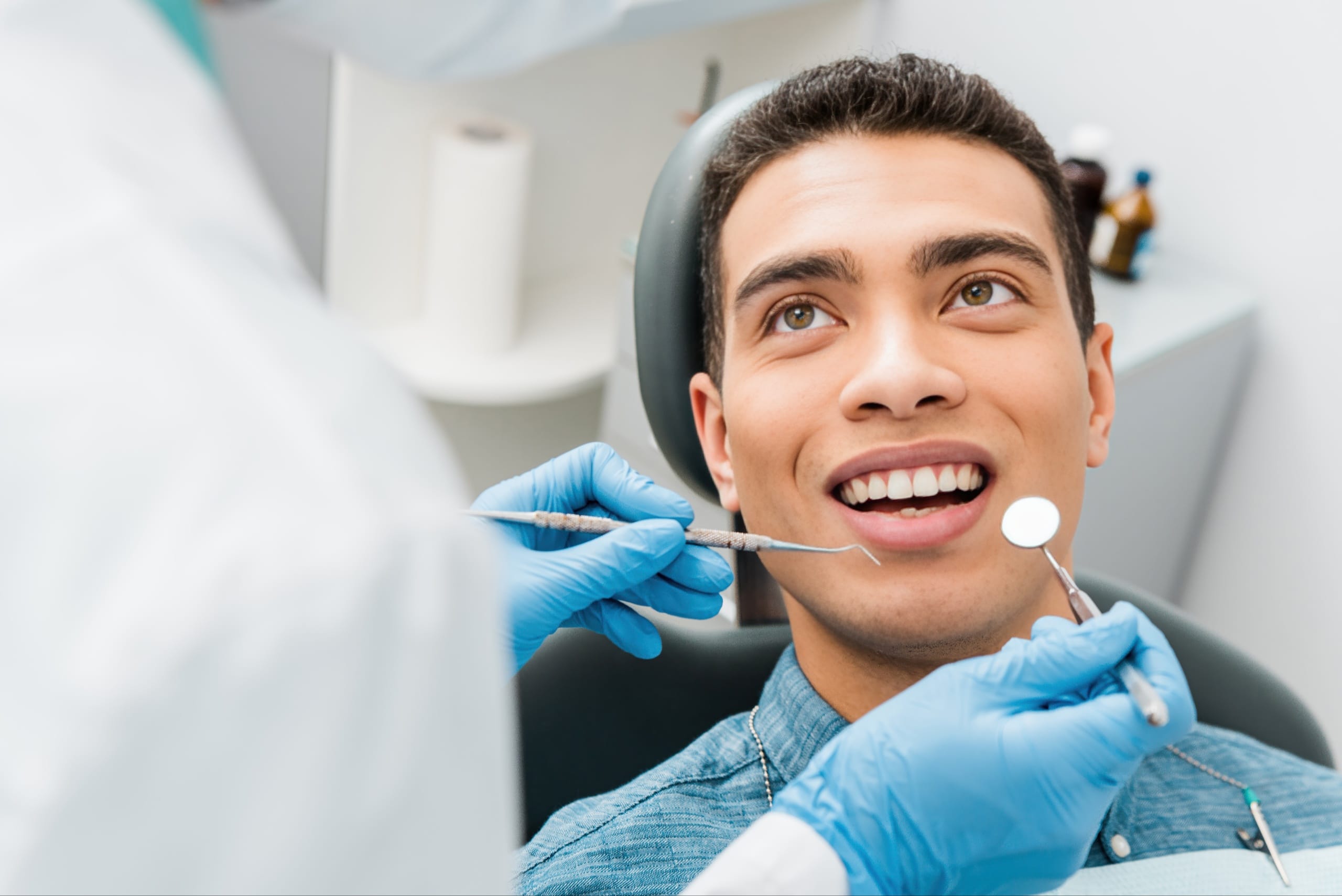
A comprehensive dental exam helps you understand the health of your teeth, gums, bite, and surrounding oral tissues before small concerns become more complicated. At Paramount Dental in Yuba City dental exams combine a detailed clinical evaluation with preventive guidance and personalized recommendations based on your current oral health.
Benefits of a Dental Exam
Dental problems do not always cause pain or obvious symptoms in their early stages. A dental exam is invaluable for protecting your oral health.
- Catch problems earlier: Regular exams can help identify developing dental concerns before they become more painful, complex, or costly to treat.
- Protect your natural teeth: Early diagnosis and preventive care can reduce the risk of advanced decay, infection, and tooth loss.
- Reduce the need for extensive treatment: Addressing small concerns sooner may help you avoid more involved restorative procedures later.
- Monitor changes over time: Routine visits create a record of your oral health, making it easier to recognize gradual changes from one appointment to the next.
- Support long-term gum health: Ongoing preventive care can help lower the risk of gum disease progressing unnoticed.
- Personalize your preventive care: Your dentist can recommend an exam and maintenance schedule based on your individual risk factors, dental history, and oral-health goals.
- Maintain confidence in your smile: Staying current with preventive visits can help you feel more confident that changes in your oral health are being monitored professionally.
Dental Exam Procedure and Process
A dental examination involves more than looking for cavities. Paramount Dental evaluates several areas of your oral health and considers your medical history, symptoms, previous treatment, and individual risk factors when developing recommendations.
- Medical and dental history review: Your dental team asks about medications, health changes, previous dental treatment, current symptoms, and concerns you would like the dentist to address.
- Examination of your teeth: The dentist checks for cavities, cracks, chips, enamel wear, sensitivity concerns, discoloration, and other changes in tooth structure.
- Review of existing restorations: Fillings, crowns, bridges, dentures, implants, and other dental work are examined to help determine whether they remain stable and functional.
- Gum evaluation: Your gums are checked for inflammation, bleeding, recession, swelling, and periodontal pocketing that may indicate gum disease.
- Bite and jaw evaluation: Your Yuba City dentist assesses how your teeth come together and looks for possible signs of grinding, clenching, abnormal wear, or jaw-joint concerns.
- Soft-tissue examination and VELscope screening: Your lips, cheeks, tongue, palate, throat area, and other oral tissues are visually examined. VELscope uses specialized light to help highlight tissue changes that may warrant additional evaluation.
- Dental x-rays when necessary: Your dentist may recommend x-rays based on your symptoms, oral-health history, disease risk, previous images, age, and diagnostic needs rather than automatically taking them at every visit.
- Review of findings: After the examination, your dentist explains what was found and discusses appropriate next steps.
A dental exam and a professional dental cleaning are separate services. An exam focuses on diagnosis and treatment planning, while a cleaning removes plaque, tartar, and surface deposits. Many patients receive both as part of the same preventive visit when appropriate.
Candidacy & Alternatives
Dental exams are appropriate for patients of all ages, including new patients, established patients returning for preventive care, and anyone experiencing a change in their oral health.
You should consider scheduling an examination if you notice symptoms such as:
- Persistent tooth pain or sensitivity
- Bleeding, swollen, or tender gums
- A cracked, chipped, or broken tooth
- Loose or damaged dental work
- Jaw discomfort or changes in your bite
- Persistent dry mouth
- Swelling in or around the mouth
- A sore, lump, patch, or other oral tissue change that does not resolve
Some patients may benefit from more frequent monitoring because of gum disease, recurring cavities, dry mouth, tobacco use, extensive dental restorations, orthodontic appliances, medical conditions that affect oral health, or a history of dental problems.
There is no direct substitute for a professional dental examination when diagnosis or treatment planning is needed. Brushing, flossing, self-examination, and other home-care measures are important, but they cannot provide the same information as a clinical evaluation performed by a dental professional.
Cost & Insurance
The cost of a dental exam can vary depending on whether you are:
- A new or returning patient
- The type of examination required
- Whether x-rays are needed
- Whether VELscope screening or other diagnostic services are included
- Whether a cleaning or additional care is provided during the same visit
Many dental insurance plans include routine examinations as preventive benefits, but coverage varies. Frequency limits, deductibles, network requirements, and patient responsibilities depend on the individual plan. The Paramount Dental office team can review estimated benefits and expected out-of-pocket costs with you before treatment.
Patients without traditional dental insurance can ask about programs, financing and payment plans that Paramount Dental offers. For more information, review our insurance and financing page.
Aftercare & Maintenance
A dental exam itself generally requires no recovery period. Once your examination is complete, your dentist will explain any findings and recommend a preventive schedule or treatment plan based on your needs. Recommendations may include:
- Brush twice daily with fluoride toothpaste.
- Clean between your teeth every day using floss or another method recommended by your dental team.
- Schedule professional dental cleanings and follow-up examinations at the interval your dentist recommends.
- Limit frequent exposure to sugary foods and beverages that can increase cavity risk.
- Wear a nightguard, sports mouthguard, or other dental appliance as directed.
- Follow through with recommended treatment rather than waiting for symptoms to become more severe.
- Tell your dentist in Yuba City about significant changes to your medical history or medications at future visits.
Contact Paramount Dental at (530) 671-4784 if you develop persistent tooth pain, facial or oral swelling, unexplained bleeding gums, a broken tooth, loose dental work, or a mouth sore or tissue change that does not heal.
Dental Exam FAQs
What does a dental exam include?
A comprehensive dental examination may include an evaluation of your teeth, gums, bite, jaw joints, existing dental work, and oral soft tissues. Paramount Dental also uses VELscope screening, and your dentist may recommend dental X-rays when additional diagnostic information is needed.
Why do I need a dental exam if nothing hurts?
Some cavities, gum problems, cracked teeth, worn restorations, bite-related wear, and oral tissue changes can develop before they cause noticeable pain. Regular examinations allow your dentist to identify and monitor concerns based on clinical findings rather than waiting for symptoms.
How often should I have a dental exam?
There is no single interval that is appropriate for everyone. Your dentist can recommend an exam schedule based on your current oral health, cavity and gum-disease risk, medical history, previous treatment, symptoms, and other individual factors.
Are dental X-rays taken at every exam?
No. X-rays are recommended according to clinical need. Your dentist considers factors such as your symptoms, dental history, previous images, disease risk, age, and the information needed for diagnosis before recommending new X-rays.
What is VELscope screening?
VELscope is a supplemental screening device that uses specialized light to help dental professionals visualize changes in oral soft tissues. It can help identify an area that deserves closer examination, but it does not diagnose oral cancer or replace referral or biopsy when further evaluation is necessary.
Does VELscope screening hurt?
VELscope examination is noninvasive. The dental professional uses the device’s light to inspect oral tissues without injections or tissue removal during the screening itself.
Is a dental exam the same as a dental cleaning?
No. A dental exam evaluates and diagnoses your oral health, while a dental cleaning focuses on removing plaque, tartar, and surface deposits. The two services are often scheduled together but serve different purposes.
What should I tell my dentist during an exam?
Tell your dentist about tooth pain, sensitivity, bleeding gums, dry mouth, jaw discomfort, swelling, loose dental work, changes in your bite, new medications, changes in your general health, or sores, lumps, patches, and other changes you have noticed in your mouth.
What happens if my dentist finds a problem?
Your dentist will explain the finding and recommend an appropriate next step. Depending on the concern, that may involve monitoring the area, improving home care, scheduling a cleaning, obtaining diagnostic images, repairing a restoration, treating gum disease, or planning another type of dental treatment.