
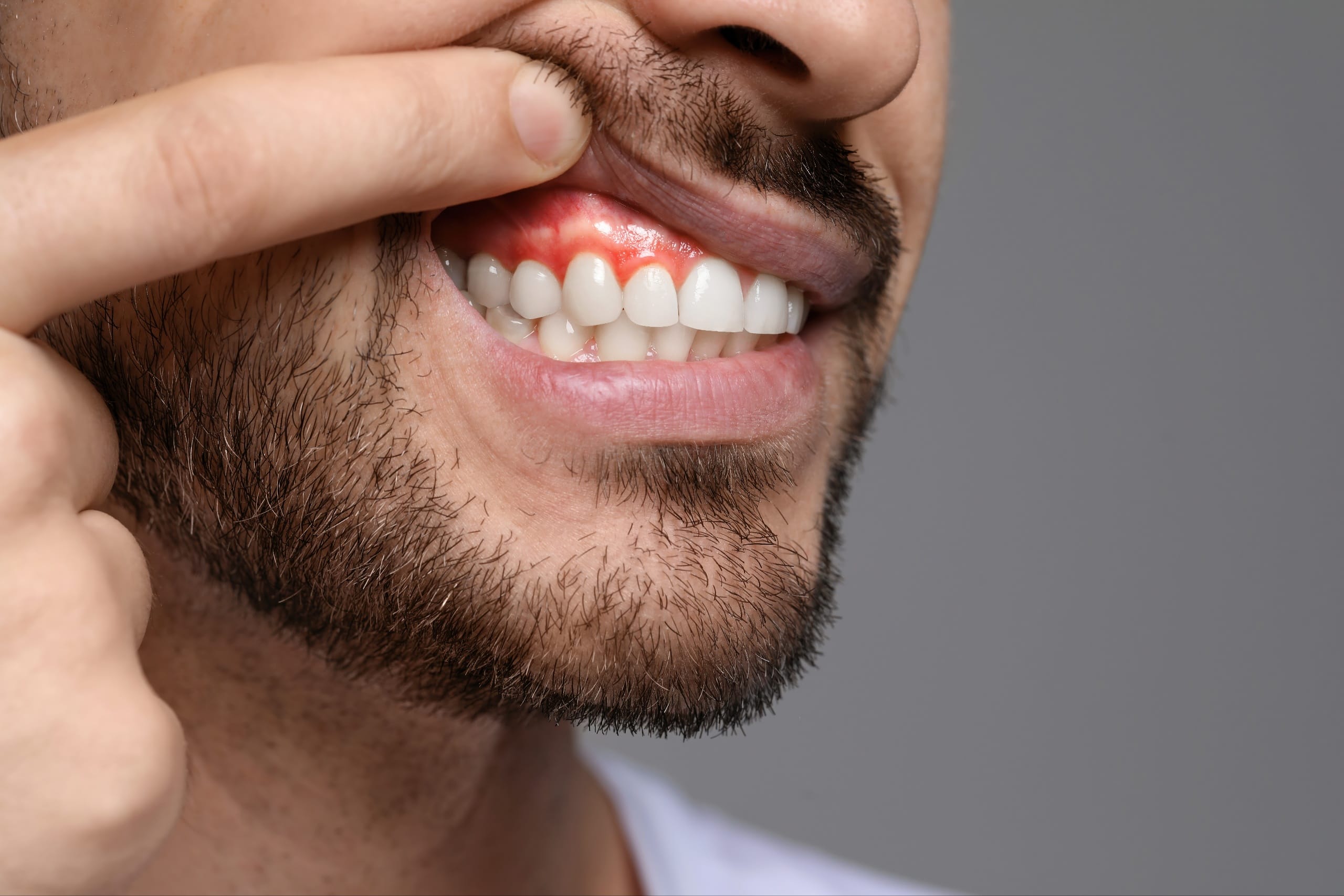
A cut, scrape, puncture, or other injury to the gums can cause sudden bleeding, tenderness, swelling, or sensitivity. At Paramount Dental in Elk Grove, patients with gum injuries can receive an evaluation to determine how extensive the damage is and whether nearby teeth or deeper tissues have also been affected.
Benefits of Prompt Gum Injury Care
Gum tissue can be injured while eating, brushing, flossing, using dental appliances, playing sports, or experiencing an accident involving the mouth. A dental examination helps distinguish a straightforward soft-tissue injury from a problem involving infection, a damaged tooth, or the tissues that support the teeth.
Professional evaluation may help with concerns such as:
- Bleeding that continues or repeatedly starts again
- Swelling, soreness, redness, or tenderness around the injured area
- Food, fragments, or other material lodged beneath the gumline
- Possible infection or abscess formation
- Pain involving a tooth next to the injured gum
- A loose, chipped, cracked, or otherwise injured tooth
Identifying the source of the symptoms is important because gum pain is not always caused by a simple cut. Infection, periodontal problems, dental trauma, or a damaged tooth can sometimes produce similar symptoms.
How Gum Injuries Are Evaluated and Treated
During your appointment, our dental teem asks how the gum injury occurred, when symptoms began, and whether you have noticed continued bleeding, swelling, discharge, fever, or changes in a nearby tooth. The gums and surrounding tissues are then examined for cuts, punctures, foreign material, inflammation, or signs of infection. Diagnostic imaging may be recommended when the dentist needs more information about the teeth, roots, bone, or the location of a foreign object.
Treatment of a gum injury is based on the type and severity of the injury. Care may include:
- Gently cleaning the injured tissue
- Removing debris or a foreign object that cannot be safely removed at home
- Controlling bleeding
- Assessing and treating damage to an adjacent tooth
- Evaluating swelling for a possible abscess or infection
- Draining an infected area when clinically appropriate
- Using sutures when a wound requires closure
- Prescribing medication when the diagnosis indicates it is necessary
- Scheduling follow-up care to monitor healing
Homecare prior to your appointment with us helps to reduce pain and swelling. If the injury is minor, gently rinsing the mouth can help clear away loose debris. If bleeding is present, clean gauze can be held against the area with gentle, steady pressure. A cold pack placed against the outside of the face may help limit swelling after an injury. Avoid probing the gum with fingernails, toothpicks, tweezers, or other sharp objects. Attempting to dig out material can push it deeper into the tissue or create additional injury.
Candidacy & Alternatives for Gum Injury Care
A dental evaluation is always recommended when a gum injury is painful, deep, contaminated, slow to improve, or associated with persistent bleeding or swelling. Prompt care is also important when the injury occurred at the same time as trauma to a tooth or jaw.
Contact a dentist if you notice:
- Bleeding that does not settle with gentle pressure
- Pain or swelling that is becoming more intense
- Pus, drainage, or an unpleasant taste near the injured gum
- Fever or feeling generally unwell
- A tooth that feels loose or has become painful after the injury
- A wound that appears deep or has material embedded in it
Patients who are anxious about receiving urgent dental treatment can ask whether sedation dentistry is appropriate for the procedure being considered.
Gum Injury Cost & Insurance
The cost of treating a gum injury depends on what the dentist finds during the evaluation. A small soft-tissue injury may require relatively limited care, while an injury involving diagnostic imaging, removal of embedded material, infection treatment, sutures, or repair of a damaged tooth can involve additional services.
Dental insurance benefits vary by plan. Emergency examinations, X-rays, periodontal treatment, treatment of an injured tooth, and other procedures may be covered differently depending on deductibles, annual maximums, exclusions, and other plan provisions. Paramount Dental can review available insurance information and provide an estimate based on the treatment recommended for your specific condition.
Paramount Dental also offers financing and payment plans to patients that qualify. Read more about this on our insurance and financing page or contact our office at (916) 333-0609.
Gum Injury Aftercare & Maintenance
Healing gum tissue is vulnerable to repeated irritation, so aftercare should focus on keeping the area clean without disturbing it.
General aftercare recommended by our dentist in Elk Grove may include:
- Cleaning the mouth gently as instructed
- Using a soft-bristled toothbrush and light pressure around tender tissue
- Using a recommended rinse without aggressive swishing
- Avoiding hard, sharp, very spicy, or acidic foods while the area is sore
- Not picking at the wound with fingers or objects
- Using a cold compress externally when recommended for swelling
- Taking medication only according to your dentist’s instructions or product labeling
- Returning for follow-up care if symptoms persist or worsen
Once the gums have recovered, regular dental examinations, professional cleanings, and gentle daily brushing and flossing can help maintain gum health. The American Dental Association recommends soft-bristled toothbrushes and gentle pressure to reduce the risk of injuring gum tissue.
Gum Injury FAQs
What causes gum injury?
Gums can be injured by sharp or hard foods, aggressive brushing or flossing, toothpicks, dental appliances, accidental bites, sports injuries, falls, or other trauma to the mouth. Pain that seems like an injury can also sometimes be related to infection or another dental condition, so persistent symptoms should be evaluated.
How is a gum injury treated?
Treatment depends on the severity and cause. The dentist may clean the area, control bleeding, remove trapped material, examine neighboring teeth, or treat an infection. Deeper injuries may occasionally require sutures, while an abscess may need drainage or other treatment directed at the source of the infection.
How can I help my gum injury to heal?
Keep the mouth clean while avoiding unnecessary irritation to the injured tissue. Brush carefully with a soft-bristled toothbrush, follow any rinsing instructions from your dentist, and avoid picking at the area. Choosing softer foods while the tissue is tender may also reduce repeated trauma during healing.
Can a gum injury cause tooth pain?
Yes. Pain may be felt around nearby teeth because gum tissue surrounds and supports them. An accident that injures the gums can also damage a tooth at the same time. If a tooth becomes painful, sensitive, cracked, or loose after the injury, it should be evaluated promptly.
Can damaged gum heal itself?
Minor superficial injuries can often heal naturally when the area is kept clean and protected from further irritation. Deeper cuts, persistent bleeding, embedded debris, infection, or injuries involving a tooth may require professional treatment instead of relying on healing alone.
How long does a gum injury take to heal?
Healing time varies according to the size, depth, location, and cause of the injury. Small areas of irritation may begin feeling better within several days, while more significant wounds can take longer. Contact a dentist if the injury is worsening, repeatedly bleeding, developing swelling or drainage, or failing to show clear improvement.
How can I tell if my gum is infected?
Possible warning signs include increasing redness, swelling, throbbing discomfort, tenderness, pus or drainage, an unpleasant taste, fever, or feeling unwell. Because an infection may require treatment at its source, these symptoms should be evaluated rather than managed only with home remedies.
Can a gum infection go away without antibiotics?
Do not assume that a suspected gum infection will resolve on its own. Some localized dental infections are treated primarily by addressing their source, such as cleaning or draining the affected area, and antibiotics are not necessary in every situation. Other infections do require antibiotics, especially when there are signs of spreading or systemic illness. A dentist should determine the appropriate treatment.
What is the difference between gum injury and abscess?
A gum injury is physical damage or irritation to the soft tissue, such as a cut, scrape, or puncture. An abscess is a localized collection of pus caused by infection. Both can produce pain and swelling, and an injury can sometimes become infected, which is why persistent or worsening symptoms should be examined by a dentist.