
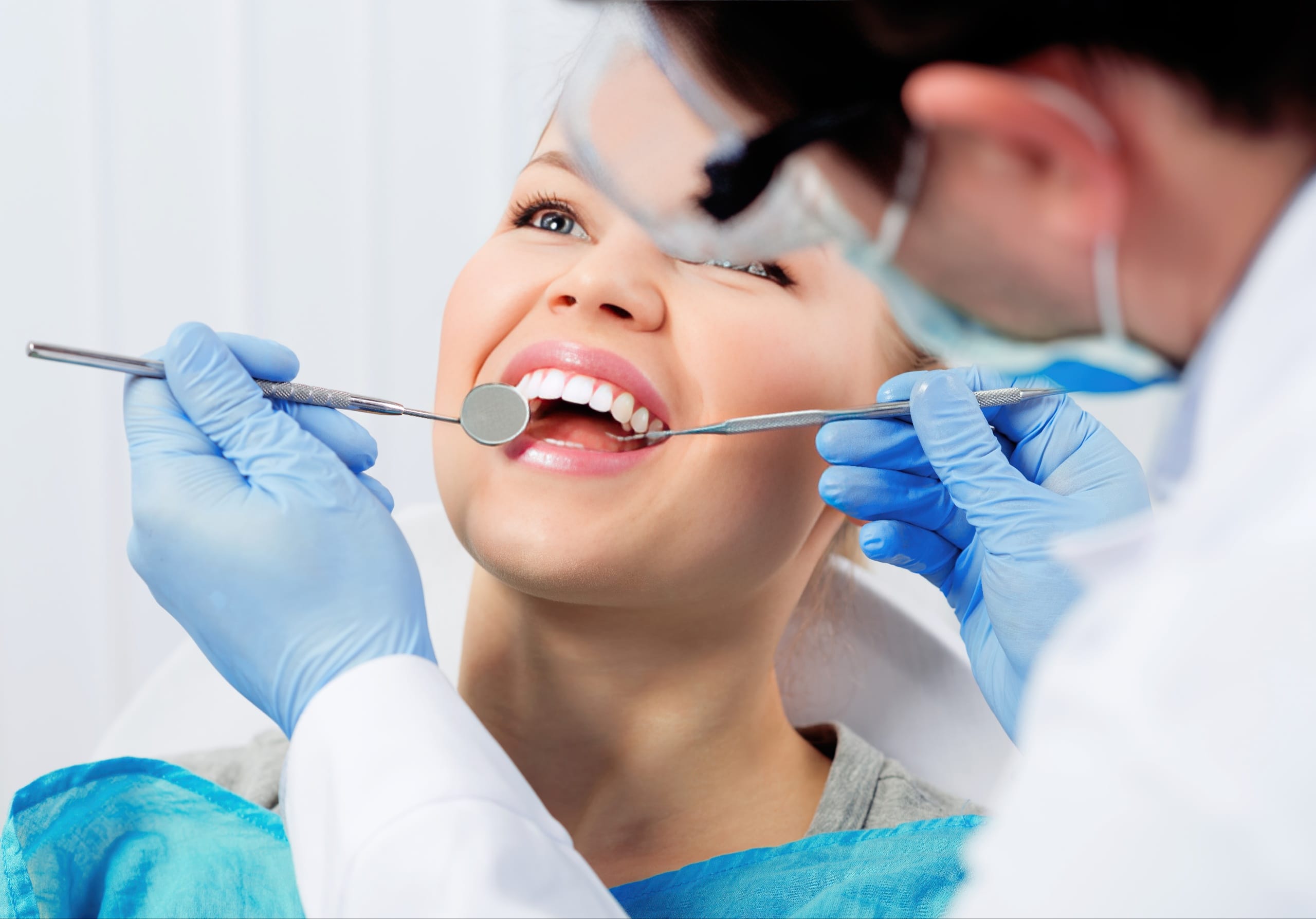
A professional dental cleaning removes plaque and tartar that daily brushing and flossing can miss. At Paramount Dental in Sacramento, routine cleanings help keep your teeth feeling smooth and fresh while supporting healthier gums and long-term oral health.
Benefits of Dental Cleanings
Even with consistent brushing and cleaning between your teeth, plaque can collect in hard-to-reach areas. When plaque hardens into tartar, you can’t remove it with a toothbrush or floss alone, and it requires professional cleaning.
Routine dental cleanings help:
- Remove plaque and hardened tartar from your teeth.
- Reduce buildup around the gumline.
- Support healthier gums.
- Polish away surface stains for a smoother, cleaner feel.
- Freshen your breath.
- Give your dental team an opportunity to notice changes in your gums or teeth that may need further evaluation.
Dental cleanings are an important part of preventive care, but they do not replace daily brushing and interdental cleaning. Your home routine and professional care work together to protect your smile.
What Happens During a Dental Cleaning?
Your cleaning is tailored to the amount of buildup present and the condition of your teeth and gums.
- Review of Your Oral Health: Before getting started, let the dental team know if you have experienced sensitivity, bleeding gums, swelling, persistent bad breath, or other changes in your mouth. This information can help the team focus on areas that may need additional attention.
- Remove Plaque and Tartar: Your dental professional uses specialized instruments to carefully remove plaque and hardened tartar from your teeth, including buildup around the gumline and between teeth. Tartar cannot be removed effectively with regular brushing or flossing at home.
- Check Your Gum Health: During the visit, the dental team may look for signs such as redness, swelling, bleeding, gum recession, or deeper periodontal pockets. These findings can help determine whether a routine cleaning is appropriate or whether additional periodontal care may be needed.
- Polish Your Teeth: After buildup is removed, your teeth are polished to create a smooth, clean feeling and remove some surface stains. A routine cleaning can make teeth look brighter by removing external stains, but it does not change the natural color of the tooth itself.
- Personalized Home-Care Tips: Your dental team may recommend floss, interdental brushes, water flossers, or other tools based on your needs. The goal is to make it easier to control plaque between professional visits.
- Plan Your Next Visit: Before you leave, your dental team can recommend when to return based on your current oral health. If other concerns are noticed, you may be advised to schedule a dental exam, diagnostic x-rays, periodontal treatment, or another appropriate service.
Candidacy & Alternatives
Routine dental cleanings are appropriate for all ages of patients as part of ongoing preventive care. How often you need a cleaning depends on your individual oral health, how quickly plaque and tartar accumulate, and whether you have conditions that increase your risk of dental or gum problems.
You may benefit from more frequent professional care if you have:
- A history of gum disease.
- Heavy or frequent tartar buildup.
- Dry mouth.
- Dental restorations or oral appliances that require extra maintenance.
- Other oral or medical factors that affect your dental health.
Your dentist or hygienist can recommend a preventive schedule based on your needs rather than relying on the same interval for every patient.
Routine Cleaning vs. Deep Cleaning
A routine dental cleaning and a deep cleaning are not the same treatment. Routine cleanings are designed for preventive maintenance, while scaling and root planing, often called a deep cleaning, is used to treat periodontal disease when plaque and tartar have collected deeper below the gumline.
If your examination shows deeper periodontal pockets or active gum disease, your dentist may recommend periodontal therapy instead of a standard cleaning.
Dental Cleaning Cost & Insurance
The cost of a dental cleaning varies based on the type of cleaning you need and whether your appointment also includes an examination, dental X-rays, or periodontal treatment.
Many dental insurance plans include routine cleanings as a preventive benefit. However, coverage limits, allowed frequency, deductibles, and out-of-pocket costs vary between plans. Paramount Dental will review your insurance benefits and help you understand estimated coverage before treatment.
If you do not have dental insurance, ask about Paramount Dental’s financing and payment option plans. Additional information is available on our insurance and financing page.
Aftercare & Maintenance
After a routine cleaning, your teeth will usually feel smoother and cleaner. The best way to maintain that fresh feeling is to follow a consistent home-care routine and return for professional care at the interval recommended by your dental team.
To care for your smile between visits:
- Brush twice a day for two minutes using fluoride toothpaste.
- Clean between your teeth every day using floss or another interdental cleaner recommended for you.
- Follow any personalized instructions provided by your dentist or hygienist.
- Limit frequent sugary foods and beverages.
- Keep your recommended dental exam and cleaning appointments.
Contact the dental team if you notice persistent bleeding, swelling, pain, loose teeth, or ongoing bad breath. These symptoms may require an examination rather than waiting until your next routine cleaning.
Dental Cleaning FAQs
What happens during a dental cleaning?
A dental professional removes plaque and tartar from your teeth, checks your gum health, polishes your teeth, and may recommend ways to improve your home-care routine based on your individual needs.
Why do I need a professional cleaning if I brush and floss?
Daily brushing and cleaning between your teeth are essential, but some plaque can remain in hard-to-reach areas. Once plaque hardens into tartar, it cannot be removed with regular brushing or flossing and must be removed professionally.
How often should I have my teeth cleaned?
The right schedule depends on your individual oral health. Many patients receive routine cleanings regularly as part of preventive care, while people with gum disease, frequent tartar buildup, dry mouth, or other risk factors may need more frequent visits. Your dental team can recommend the appropriate schedule for you.
Does a dental cleaning hurt?
Routine cleanings are generally comfortable for most patients. If your gums are sensitive or inflamed or you have a significant amount of tartar buildup, some areas may feel tender. Let your dental professional know if you are uncomfortable so they can adjust your care when possible.
Is a dental cleaning the same as a deep cleaning?
No. A routine cleaning is preventive care that removes plaque and tartar from the teeth and around the gumline. A deep cleaning, also known as scaling and root planing, is periodontal treatment used when gum disease causes deeper pockets and buildup below the gumline.
Can a dental cleaning help with bad breath?
Removing plaque, tartar, and debris can help your mouth feel cleaner and may improve breath. If bad breath continues despite good oral hygiene and regular cleanings, your dentist can evaluate possible causes such as gum disease, dry mouth, tooth decay, or other concerns.
Will a dental cleaning make my teeth whiter?
A cleaning can remove certain surface stains and make your teeth look brighter and feel smoother. However, it does not change the natural internal color of your teeth. Patients looking for a more noticeable color change can ask whether professional whitening is appropriate.
What should I do between dental cleanings?
Brush twice daily with fluoride toothpaste and clean between your teeth every day. Your dental professional may recommend floss, interdental brushes, a water flosser, or another option based on the spaces between your teeth and your oral health needs.
Keep your smile feeling fresh and your gums healthy with consistent preventive care at Paramount Dental. Request your next dental cleaning or call (916) 443-1905 if you have questions about scheduling, insurance, or your recommended cleaning interval.