
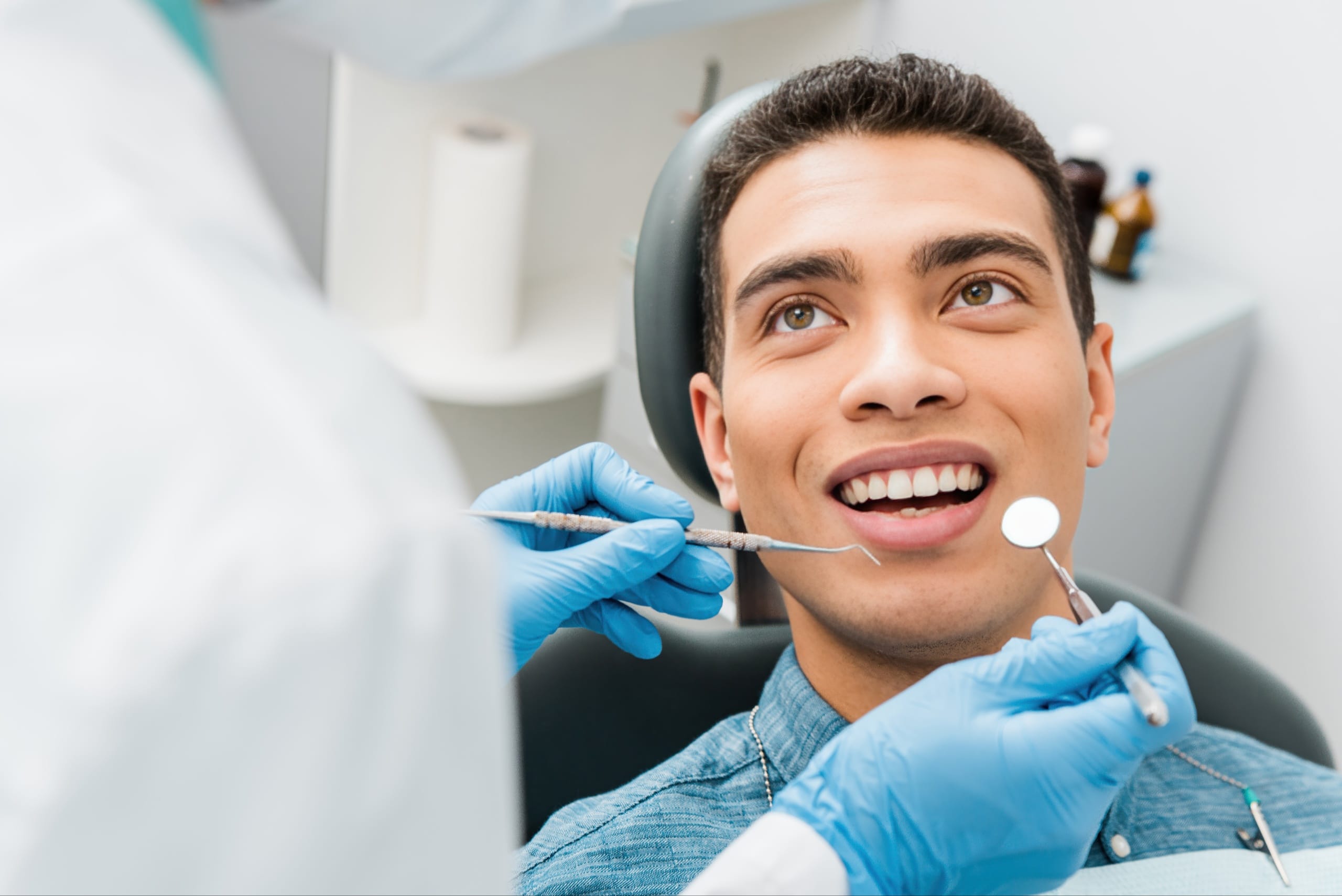
A dental exam gives you and your dentist a clear picture of your current oral health and helps identify concerns before they become more difficult to manage. At Paramount Dental in Sacramento, you can expect a comprehensive exam and treatment recommendations.
Benefits of Dental Exams
Dental problems often don’t cause pain or obvious symptoms in their earliest stages. A comprehensive exam allows your dentist to evaluate multiple parts of your mouth and identify changes that may need preventive care, monitoring, or treatment. During an exam, the Paramount Dental team may evaluate:
- Your teeth
- Your gums
- Your bite and jaw joints
- Existing fillings, crowns, bridges, dentures, and dental implants
- Your lips, cheeks, tongue, palate, and other oral tissues
- Areas beneath or between teeth
Regular dental exams also provide a useful baseline for monitoring changes to your oral health over time. When your dentist identifies a concern, they can explain the finding and discuss appropriate next steps rather than waiting until the problem becomes more noticeable.
What to Expect During a Dental Exam
Your comprehensive preventive dental exam includes the following:
- Medical and Dental History Review: Your health history can provide important context for your oral care. Your dental team may ask about past treatment, recent symptoms, medications, previous X-rays, and concerns you would like the dentist to examine more closely.
- Teeth and Restoration Evaluation: The dentist examines your teeth for visible decay, cracks, worn enamel, chips, and other changes. Existing fillings, crowns, bridges, dentures, and implants may also be checked for signs of wear, deterioration, poor fit, or other concerns.
- Gum, Bite, and Jaw Evaluation: Your gums are evaluated for signs such as redness, swelling, bleeding, recession, or periodontal pocketing. The dentist may also assess the way your upper and lower teeth come together and look for wear patterns associated with grinding or clenching.
- Oral Soft-Tissue Evaluation: The lips, cheeks, tongue, palate, and other visible oral tissues are examined for unusual color, texture, sores, growths, or other changes. VELscope visualization is included as part of the examination. VELscope can help clinicians see tissue changes, but it does not diagnose oral cancer or replace appropriate clinical evaluation, referral, or biopsy when a suspicious area is identified.
- Dental X-Rays When Needed: X-rays are not automatically necessary at every examination. Your dentist determines whether imaging is appropriate based on factors such as your symptoms, dental history, disease risk, previous images, and the area being evaluated. X-rays can provide information about areas that cannot be adequately assessed through visual examination alone.
- Review of Findings and Recommendations: After the examination, your dentist reviews the findings with you and explains whether any additional preventive, restorative, periodontal, or diagnostic care is recommended. Depending on your needs, the plan may involve routine maintenance, a professional cleaning, monitoring an area, repairing an existing restoration, addressing tooth wear, or scheduling additional treatment.
Candidacy & Alternatives
Dental exams are appropriate for patients of all ages, including new patients, returning patients, and people who have noticed a new oral health concern. Even when your mouth feels comfortable, an exam can identify changes that may not yet be causing symptoms.
You should consider scheduling an examination promptly if you notice:
- Persistent tooth pain or sensitivity.
- Bleeding, swollen, or tender gums.
- A cracked, chipped, or broken tooth.
- A loose filling, crown, bridge, denture, or other restoration.
- Jaw discomfort or changes in your bite.
- Persistent dry mouth.
- Swelling in or around your mouth.
- An oral sore, lump, patch, or other tissue change that does not resolve.
There is no direct substitute for a professional dental examination when diagnosis or treatment planning is needed. Home oral care and self-examination are important, but they cannot provide the same evaluation as an in-person clinical exam.
Dental Exam Cost & Insurance
The cost of a dental exam can vary depending on the type of examination, whether X-rays or other diagnostic services are needed, and whether a cleaning or additional treatment is performed during the same visit.
Many dental insurance plans include routine examinations among their preventive benefits, but coverage, frequency limitations, deductibles, and patient responsibilities differ by plan. The Sacramento Paramount Dental office staff can review your individual benefits so you understand estimated coverage and potential out-of-pocket costs before care begins.
Patients without traditional dental insurance can also ask about the financing and payment options that Paramount Dental makes available to patients that qualify. See our insurance and financing page for more information.
Aftercare & Maintenance
A dental examination itself generally does not require special recovery time. After your visit, follow the personalized recommendations provided by your dentist based on the condition of your teeth, gums, restorations, bite, and oral tissues.
For ongoing preventive care, consider the following habits:
- Brush your teeth twice daily with fluoride toothpaste.
- Clean between your teeth daily using floss or another method recommended by your dental professional.
- Attend professional cleanings and dental examinations on the schedule recommended for your individual needs.
- Limit frequent exposure to sugary foods and drinks.
- Wear a night guard, sports mouthguard, or other appliance as directed if one has been prescribed.
- Follow through with recommended restorative, periodontal, or other treatment rather than waiting for symptoms to worsen.
Contact Paramount Dental if you develop tooth pain, swelling, persistent bleeding gums, a broken tooth, loose dental work, or a mouth sore or tissue change that does not heal. If you are due for preventive care, you can also learn more about dental cleanings or request an appointment at the Midtown Sacramento dental office.
Dental Exam FAQs
What does a dental exam include?
A dental exam typically includes an evaluation of your teeth, gums, bite, jaw joints, existing dental restorations, and oral soft tissues with the use of VELscope screening. When appropriate, your dentist may recommend dental X-rays to evaluate areas that cannot be seen during the clinical examination.
What is VELscope screening?
VELscope uses a special light to help your dentist spot changes in the soft tissues of your mouth. It helps identify areas that deserve closer clinical evaluation, but it does not diagnose oral cancer and does not replace examination, referral, or biopsy when a suspicious lesion is present.
Why should I have a dental exam if nothing hurts?
Some cavities, gum problems, cracked teeth, failing restorations, bite-related wear, and oral tissue changes can develop before they cause noticeable pain. A dental exam gives your dentist an opportunity to identify concerns, monitor changes, and recommend care based on current findings.
How often should I have a dental exam?
There is no single examination interval that is appropriate for every patient. Your dentist may recommend a schedule based on your oral health, cavity and gum-disease risk, medical history, previous treatment, current symptoms, and other individual factors. Follow the schedule recommended specifically for you.
Are dental X-rays taken at every exam?
No. X-rays should be selected according to clinical need rather than taken automatically at every visit. Your dentist considers your symptoms, oral health history, disease risk, previous images, age, and the information needed for diagnosis or treatment planning before recommending new x-rays.
Is a dental exam the same as a dental cleaning?
No. An exam is primarily diagnostic and evaluates your oral health, while a dental cleaning removes plaque, tartar, and surface deposits. Many patients receive both services during the same preventive appointment, but they are separate procedures.
What should I tell my dentist during the exam?
Tell your dentist about tooth pain, sensitivity, bleeding gums, jaw discomfort, dry mouth, swelling, loose dental work, changes in your bite, new medications, medical changes, or any sores, spots, lumps, or other changes you have noticed in your mouth.
What happens if my dentist finds a problem?
Your dentist will explain the finding and discuss the next appropriate step. Depending on the issue, that may mean monitoring the area, improving home care, scheduling a cleaning, obtaining diagnostic images, repairing a restoration, treating gum disease, or recommending another form of dental care.
Ready to check on your oral health? Request a visit with Paramount Dental in Sacramento or call (916) 443-1905 to ask about scheduling, insurance, or what to bring to your appointment.