
Missing teeth can make day-to-day life more difficult. Eating, smiling, laughing, and even speaking can feel uncomfortable or embarrassing. If you’ve been struggling with damaged, decayed, or missing teeth, then you have considered getting dental implants.
Dental implants are a long-term solution that look, feel, and function like natural teeth. In this guide, you’ll learn what dental implants are, how they work, their benefits, types, average costs, and how to take care of them. And when you’re ready, Paramount Dental is here to support you with expert care.
Key Takeaways
- Dental implants are permanent, natural-looking replacements for missing teeth that restore function and confidence.
- The treatment involves multiple steps: consultation, implant placement, healing, and crown attachment, typically completed over several months.
- All-on-4 implants are a popular full-mouth solution, while options like endosteal and mini implants suit other specific needs.
- With proper care and hygiene, most dental implants can last a lifetime and support long-term oral health.
- Paramount Dental offers expert implant care using advanced technology, personalized plans, and flexible payment options.
What Are Dental Implants?
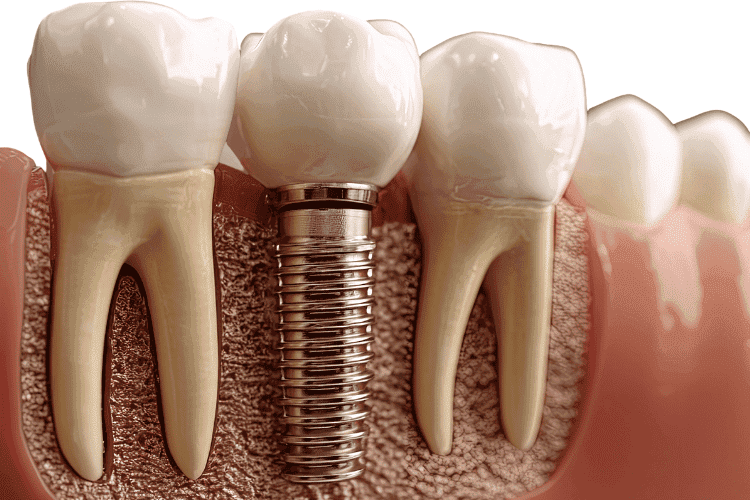
Dental implants are a type of tooth replacement that act as artificial tooth roots. In a surgical procedure, a practitioner (oral surgeons, periodontists, or experienced general dentists) inserts an implant into your jawbone. Implants are a sturdy foundation for crowns, bridges, or full-arch dentures.
Through a process called osseointegration, the implant fuses with your bone, becoming a permanent part of your mouth. This fusion helps create a natural look and feel, so your new tooth functions just like your original one. Hence, dental implants are a restorative dentistry procedure.
Components of a Dental Implant
A dental implant is just the artificial root. However, the procedure for getting an implant usually involves placing multiple components. They are:
- Implant post: A small titanium screw placed into the jawbone to replace the tooth root.
- Abutment: A connector that attaches to the implant post and supports the replacement tooth.
- Crown/bridge/denture: The visible part of the restoration that looks and functions like a natural tooth.
Together, these components create a strong and natural-looking tooth replacement solution.
Dental Implant Placement
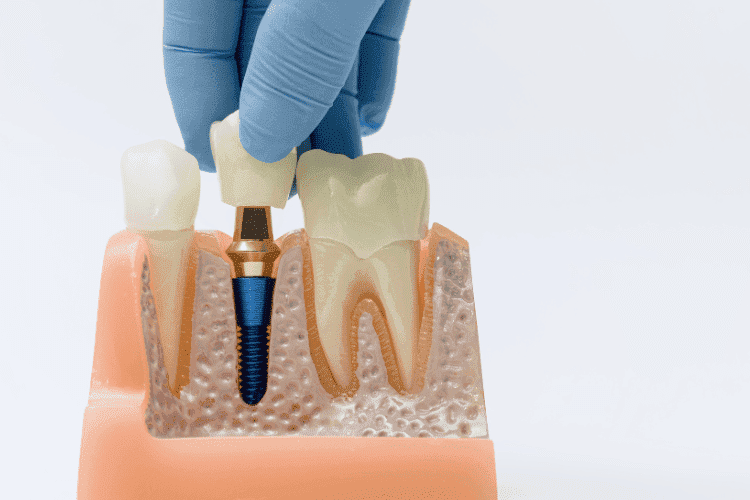
Dental implant treatment is an oral surgery procedure that involves several steps over a few months. But the long-term benefits make the whole process worth the wait.
1. Initial Consultation
Your dental provider will evaluate your oral health, medical history, take scans, and develop a personalized treatment plan. Dental implants need one or more surgical procedures, which means dental X-rays and 3D images.
Some dentists will also take models of your teeth. The treatment plan usually considers how many teeth need replacing and the treatment required, depending on your jawbone. You may also undergo surgery to extract teeth that are decayed or damaged.
2. Implant Placement
During dental implant surgery, the practitioner places a titanium or metal post into the jawbone. They must do this under local anesthesia or sedation options.
Your surgeon will make an incision in your gums, create a small hole in the jawbone, and then place the dental implant inside. Your surgeon will then reposition your gums and close the incision. The same process is followed for several teeth needing replacement.
Your dentist may place a temporary abutment and may also install a temporary tooth for you to wear until you heal.
In some cases, a bone graft may be needed if there’s not enough bone to support the implant. If that’s the case, your surgeon will first perform the bone graft, wait for you to heal, and then do the dental implant surgery.
3. Healing Phase (Osseointegration)
Over three to six months, the bone grows around the implant. This process is important for the stability and long-term success of the implant. Therefore, your surgeon will encourage you to take care of your oral health, eat balanced meals, and stay cautious of the healing areas. In some cases, osseointegration may take longer depending on how fast your body heals.
4. Abutment and Prosthetic Attachment
Once healed, your dentist places an abutment followed by the final restoration: a crown, bridge, or denture. The whole process takes about one hour and may involve a second minor surgery. After this stage, your dental implants will mimic the function and appearance of real teeth.
You will have good chewing ability, and the prosthetic will match your natural teeth. Unlike removable dentures, dental implants don’t slip or cause discomfort. They also stimulate the jawbone, helping prevent bone loss and preserve your oral health.
Will Getting Dental Implants Hurt?
You shouldn’t feel any pain during the tooth extraction, bone graft, or dental implant placement. Dentists must use some form of sedation or anesthesia to numb your gums and make you comfortable.
During the healing period, you may have some swelling and pain. However, you can manage the symptoms with over-the-counter pain relievers. Your dentist may also prescribe painkillers. You should feel more comfortable as you heal.
Types of Dental Implants
There’s no one-size-fits-all solution in implant dentistry. Therefore, you will come across different types of dental implants. Your dentist will recommend the best option for your specific needs. The most common options are:
- All-on-4 Dental Implants: An advanced full-mouth dental implant solution where four implants support an entire arch of teeth. It’s a cost-effective option for those who wear dentures or need to replace multiple teeth. Dentists place all-on-4 dental implants at an angle, making them suitable for patients with severe bone loss. Paramount Dental uses 3D imaging and computer-guided placement for precision and comfort.
- Endosteal Implants: The most common type that’s placed directly into the jawbone. Many dentists use endosteal implants to replace a single tooth in people with a healthy jawbone.
- Mini Dental Implants: Narrower than traditional implants for patients with smaller teeth or limited bone. Dentists use them to stabilize lower dentures. Mini dental implants are a less invasive procedure.
- Subperiosteal Implants: Placed under the gum tissue but above the jawbone. This option is recommended for people with shallow bone or not enough jawbone to support an implant, but who can’t undergo bone grafting. Subperiosteal implants are less invasive but less stable than endosteal implants.
- Zygomatic Implants: Anchored in the cheekbone (zygoma) instead of the jawbone. Dentists use these implants in the upper jaw when the patient doesn’t have enough bone. Zygomatic implants are an alternative to bone grafting.
Who Is a Good Candidate for Dental Implants?
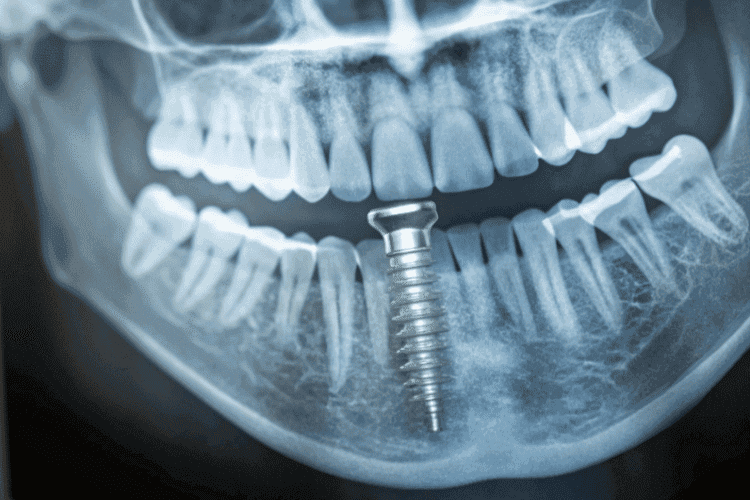
Dental implant therapy isn’t right for everyone, but many patients qualify with the right preparation. You may be a good candidate if:
- You have healthy gum tissue.
- You have enough bone to support an implant.
- You are in good overall health.
- You are a non-smoker or willing to quit, as smoking can increase the risk of implant failure.
Even if you don’t have all these qualifications, you may still be a good candidate for dental implants. It just means that your surgeon will create a different plan for you that requires more preparation. Patients who may need extra preparation to qualify for dental implants include:
- People with Bone Loss: Bone grafting or sinus lifts can rebuild the site.
- Young People: Candidates must have a fully developed jawbone (usually age 18+).
- Heavy Grinders (Bruxism): If you clench your teeth at night, you’ll likely need a nightguard to protect the new restoration from fracturing.
Also, people with certain medical conditions, such as uncontrolled diabetes, should always consult with a general practitioner before getting dental implants. Some health conditions can lead to complications, so always reveal them to your surgeon.
Benefits of Dental Implants
Implants are one of the most trusted and effective ways to replace missing teeth. They offer the following benefits:
- Chewing and Speaking: You can eat all foods and speak clearly.
- Appearance and Confidence: Dental implants look like natural teeth, restoring your smile and confidence.
- Durability: With proper care and good health, most dental implants can last a lifetime.
- Preserve Bone Health: Implants help prevent bone shrinkage that occurs when teeth are missing.
- Protect Neighboring Teeth: They don’t rely on or damage adjacent teeth.
Risks & Aftercare
Dental implants have a high success rate, but it’s important to understand the risks. Complications are uncommon, but may include:
- Infection at the implant site.
- Swelling or bruising post-surgery.
- Sinus damage.
- Nerve damage in rare cases.
- Jaw fractures.
- Severe bleeding.
- Damage to nearby teeth.
- Allergic reactions.
Usually, your dentist will replace the implant with other materials if you’re allergic to titanium. Working with an experienced oral surgeon at Paramount Dental greatly reduces these risks. Always get oral surgery from experts you can trust.
Aftercare Tips
You can help your dental work last longer by following these tips:
- Maintain good oral hygiene
- Schedule regular visits to the dentist.
- Avoid smoking and follow your dentist’s advice on healing
- Avoid damaging habits such as chewing ice and smoking.
- Use water flossers, non-abrasive toothpaste, and soft-bristled brushes to take care of the restoration.
With good care, your implant can last a lifetime.
How Much Do Dental Implants Cost?

The cost of dental implants can vary based on the number of implants and the type of restoration needed. All-on-4 dental implants have an average starting price of $22,000 to $34,000 per arch. At Paramount Dental, our starting price is an affordable $14,995 per arch. On the other hand, full traditional implants have an average starting price of $28,000 to $45,000 per arch.
Because dental implants offer permanent, long-lasting results, getting them could be a good investment. Many dental insurance plans now offer partial coverage, especially when dental implants replace functional teeth. Insurance coverage may pay for 40% to 50% of the total cost or provide coverage based on the number of implants or procedures allowed per lifetime.
Paramount Dental for High Quality Dental Implants
At Paramount Dental, we specialize in advanced all-on-4 dental implants, serving Yuba City, Roseville, and Placerville. We use the latest technology and personalized treatment plans to achieve the best possible outcomes.
Our compassionate team understands the physical and emotional toll of missing teeth, and we’re here to guide you every step of the way. We provide a comprehensive consultation, multiple sedation options, personalized plans, expert surgery, and aftercare.
You can also count on us for regular dental visits. Visit our locations today or book your consultation online to begin your journey to a restored, healthy smile.
FAQs
How Long Will a Dental Implant Last?
Most dental implants last 20 years or longer with proper care and regular dental check-ups.
How Painful is Getting a Dental Implant?
The dental implant procedure is done with anesthesia so that you won’t feel pain during the process. Post-surgical discomfort is usually mild and manageable with painkillers.
What is The Downside of Having Dental Implants?
Some patients may need additional procedures, such as a bone graft. Also, healing can take several months. However, these are just part of the process for getting permanent, long-lasting replacements.
What are Dental Implants, and How Do They Work?
They are artificial tooth roots placed in the jawbone. Over time, they fuse with the bone to provide support for a new artificial tooth, creating a long-lasting replacement.
How Many Teeth Can Dental Implants Replace?
Dental implants can replace a single tooth, multiple teeth, or even a full arch with full-mouth dental implants.
Conclusion
Dental implants are a good solution to replace missing teeth. They restore your smile and your ability to eat, speak, and live with confidence. The best way to achieve good results with dental implants is to work with skilled professionals. At Paramount Dental, we take the time to prepare a treatment plan that works for you. Our team is here to help restore your smile.