
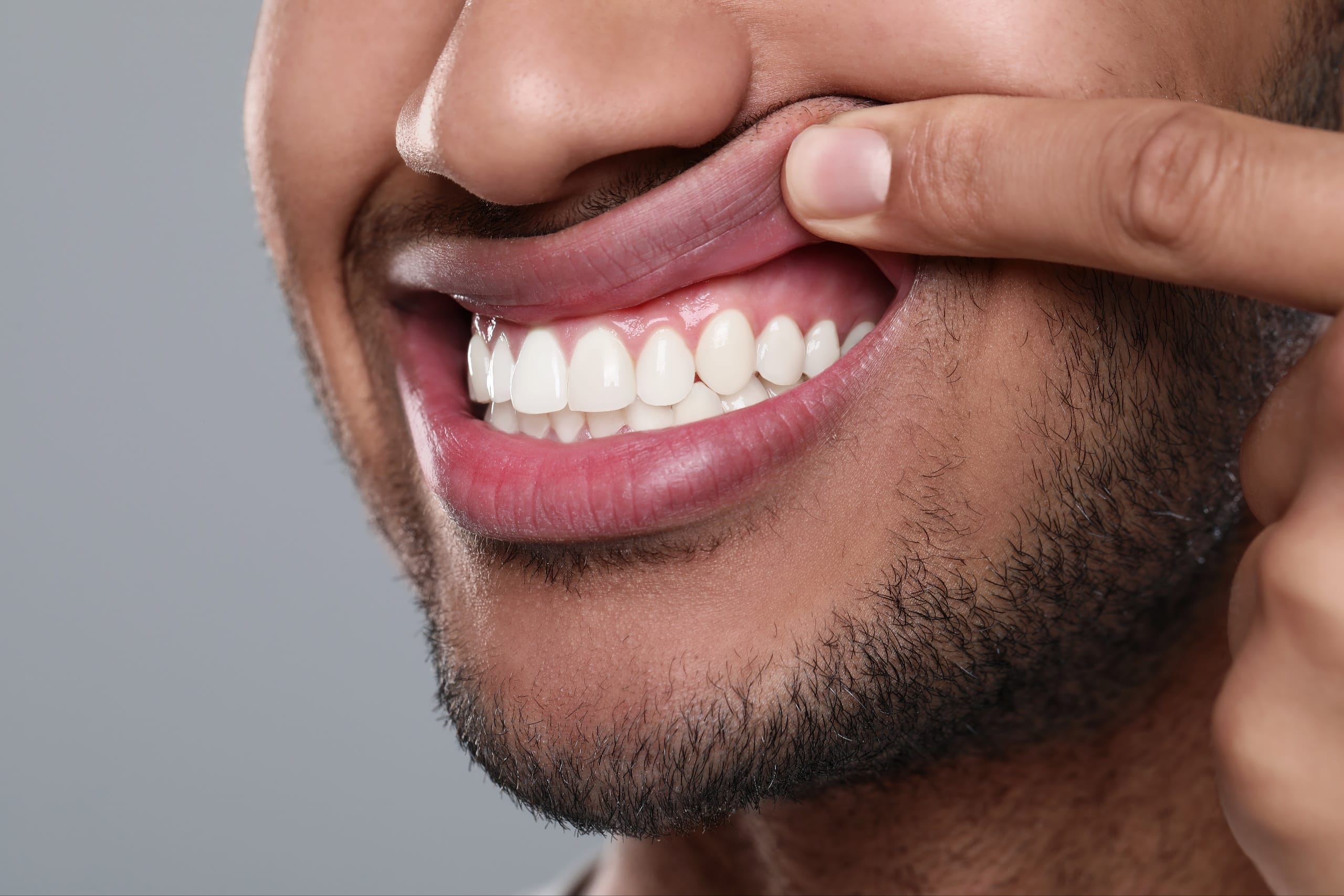
A smile can appear “gummy” when more gum tissue than desired shows above the upper teeth. At Paramount Dental in Placerville, treatment begins by identifying why the extra gum display occurs so your care can be planned around your facial features, oral health, comfort, and cosmetic goals.
Benefits of Gummy Smile Treatment
Gummy smile treatment is personalized rather than based on a single standard procedure. The goal is to create:
- More balanced proportions: Treatment may reveal more of the natural tooth surface or reduce the amount of gum tissue visible when you smile.
- Cause-based recommendations: Your treatment is selected according to the source of the gum display rather than appearance alone.
- Conservative options: Some patients may need only limited gum reshaping or minor orthodontic movement.
- Coordinated smile enhancement: Whitening, bonding, or veneers may be incorporated when tooth color, shape, or spacing also affects the overall result.
- Personalized planning: Your gum levels, tooth length, bite, lip movement, facial proportions, and cosmetic preferences can all be considered.
Results vary because gummy smiles can have different causes. A careful evaluation helps determine whether one treatment or a staged combination of services is most appropriate.
The Gummy Smile Treatment Process
Your consultation begins with a smile and oral health assessment. The dental team examines how much gum tissue shows, the visible length of your teeth, the position of your gumline, your bite, and how your upper lip moves when you smile.
Assessment and Smile Planning
Photographs, measurements, dental imaging, or digital scans may be used when appropriate. Your dentist will explain the likely cause of the gum display, review realistic treatment possibilities, and discuss how each option could affect your smile.
Gum Contouring
When the teeth are an appropriate length but a small amount of extra gum tissue creates an uneven or heavy gumline, gum contouring may be recommended. The procedure removes and reshapes limited soft tissue to create a smoother, more proportionate appearance.
Crown Lengthening
Some teeth appear short because natural tooth structure is covered by gum tissue and, in certain cases, supporting bone. Crown lengthening reshapes the gumline and may also adjust the underlying bone to expose more of the natural tooth.
Orthodontic Treatment
When tooth position, excessive eruption, or the bite contributes to gum display, orthodontic movement may improve the smile line. Depending on the case, treatment may involve clear aligners or braces. Visit the orthodontics page to explore available options.
Lip- or Jaw-Related Treatment
If upper-lip movement or skeletal jaw position is the primary cause, Paramount Dental may discuss a lip-focused approach, coordinated care, or referral to an appropriate specialist. These treatments require careful diagnosis because they address a different source than excess gum tissue.
Cosmetic Finishing
After the gumline or tooth position has been addressed, optional cosmetic treatment may refine tooth color, contours, or symmetry. Possibilities include tooth whitening, tooth bonding, or dental veneers.
Candidacy and Alternatives
Candidates should have healthy teeth and gums, realistic expectations, and a clear understanding of what their recommended treatment can accomplish. Active gum disease, untreated decay, or other oral health concerns may need to be addressed before cosmetic care begins.
Your treatment recommendation will depend on the diagnosis:
- Excess soft tissue with normal tooth proportions: Limited gum contouring may be appropriate.
- Natural tooth structure covered by tissue or bone: Crown lengthening may reveal more of the tooth.
- Tooth-position or bite concerns: Clear aligners, braces, or coordinated orthodontic treatment may be recommended.
- Excessive upper-lip movement: A lip-focused treatment or specialist consultation may be considered.
- Skeletal jaw proportions: Complex cases may require referral-based evaluation and multidisciplinary care.
- Tooth shape or color concerns: Whitening, bonding, or veneers may complement treatment after the smile line is addressed.
Not everyone who shows gum tissue when smiling needs treatment. Gum display is partly a matter of personal preference, and your comfort with your smile should guide the decision. Paramount Dental can explain conservative alternatives, staged options, and the choice of making no cosmetic change.
Gummy Smile Treatment Cost and Insurance
The cost of gummy smile treatment varies based on the treatment procedure chosen. Limited gum contouring generally involves different fees than crown lengthening, orthodontic treatment, lip-related care, or a multiple procedure treatment plan. Factors considered in the cost estimate are:
- The underlying diagnosis
- The number of teeth or areas treated
- Whether bone reshaping is necessary
- Involves orthodontic treatment
- Rquires specialist involvement
- Any cosmetic finishing procedures.
Procedures performed solely to improve appearance are commonly considered elective and may not be covered by dental insurance. When periodontal or restorative treatment is considered medically necessary, partial benefits may be available depending on the terms and limitations of your plan. Coverage is not guaranteed, and Paramount Dental will review your personalized estimate before treatment.
To help all our patients obtain the smile they want, we provide payment plans and a number of different financing options. Call us to find out more or visit our financing page for additional information.
Aftercare and Maintenance
Aftercare depends on the treatment you receive. Paramount Dental will provide instructions tailored to the procedure, and those directions should take priority over general recommendations.
After Gum Contouring or Crown Lengthening
- Brush gently around the treatment area as instructed.
- Use prescribed or recommended rinses according to the provided directions.
- Choose softer foods during the initial healing period.
- Avoid disturbing the treated gum tissue with hard, sharp, spicy, or highly textured foods.
- Use pain relief only as directed by your dentist or physician.
- Attend scheduled follow-up visits so the dental team can evaluate healing.
Mild tenderness often occurs after a gum procedure. Contact Paramount Dental if you experience severe pain, persistent bleeding, increasing swelling, fever, or another symptom that concerns you.
Maintaining Your Results
- Brush and clean between your teeth consistently to maintain gum health.
- Continue professional dental examinations and cleanings as recommended.
- Wear a custom nightguard when advised if grinding or clenching could affect the teeth or restorations.
- Follow retainer instructions carefully after orthodontic treatment.
- Return for maintenance when advised if you receive a treatment with temporary effects.
The stability and maintenance requirements of gummy smile treatment depend on the original cause and the procedure used. Your dentist will explain the expected healing period and long-term care before treatment begins.
Gummy Smile FAQs
What is a gummy smile?
A gummy smile, also called excessive gingival display, describes a smile that reveals more gum tissue above the upper teeth than a person prefers. There is no single appearance that requires treatment, and personal goals are an important part of the decision.
What causes a gummy smile?
Possible causes include excess gum tissue, teeth that are partly covered by tissue or bone, tooth or bite position, skeletal jaw proportions, and increased movement of the upper lip. More than one factor may contribute to the problem in the same patient.
How will the dentist determine which treatment I need?
The dentist evaluates your gum levels, visible tooth length, bite, lip movement, and facial proportions. Dental imaging or scans may also be recommended. Treatment is then matched to the underlying cause and your desired result.
What is the difference between gum contouring and crown lengthening?
Gum contouring reshapes soft tissue and is generally used for smaller changes. Crown lengthening exposes more natural tooth by adjusting the gumline and, when necessary, the supporting bone.
Can Invisalign or braces improve a gummy smile?
Orthodontic treatment may help when tooth position, eruption, or the bite contributes to excessive gum display. Clear aligners are appropriate only for certain cases, so a clinical evaluation is needed.
Is gummy smile treatment painful?
Comfort varies according to the procedure. Gum treatments are performed using appropriate numbing methods, and mild tenderness may occur during healing. More involved procedures may require a longer recovery and additional postoperative care.
How long does recovery take?
Minor soft-tissue contouring may begin feeling better within several days, while crown lengthening and combined treatments generally require more healing time. Your dentist will provide a case-specific timeline and explain when normal eating and oral hygiene can resume.
Are gummy smile treatment results permanent?
Longevity depends on the cause and procedure. Gum or bone reshaping and completed orthodontic movement may offer lasting changes when properly maintained, while some lip-focused treatments have temporary effects and require periodic maintenance.
Can gummy smile treatment be combined with veneers or bonding?
Yes. After the gumline and tooth positions are established, veneers or bonding may improve tooth shape, proportions, spacing, or color. Treatment order should be planned carefully to create a coordinated result.