
Wisdom teeth are the final set of molars that develop in your mouth for breaking down food. So, why do people deliberately take out their molars? Unfortunately, these teeth can be harmful to your oral health. Learning more about wisdom teeth can help you determine if they are a threat to your well-being.
This guide covers everything you need to know about wisdom teeth, including when they come in and signs that it may be time to have them removed.
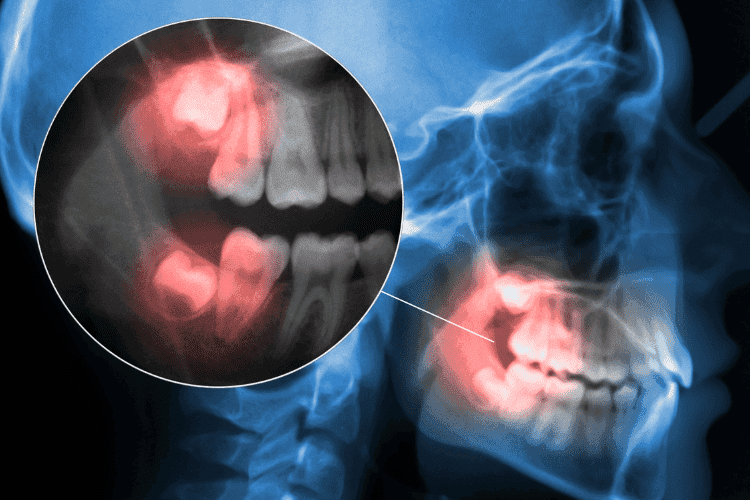
Dental X-ray highlighting wisdom teeth impaction.
Wisdom teeth grow at the back of the mouth, behind your second molars, and are the last set of teeth to develop. These molars were once necessary for chewing tougher foods such as roots and meat, before modern diets and dentistry. Back then, human jaws could accommodate 32 teeth.
As the diets became softer, human jaws evolved to be smaller and could not accommodate the extra molars. However, these permanent teeth still grow, and this mismatch often means there’s not enough room for wisdom teeth to grow properly. It leads to complications such as impaction and misalignment.
Variations
It is important to note that not everyone gets wisdom teeth. Some people never develop them, especially if their parents never grew wisdom teeth. On the other hand, others have only one or two.
In some cases, the teeth erupt partially or grow sideways so you cannot see them. You may not even realize you have wisdom teeth until they hurt or start pushing against other teeth.
Age Range for Wisdom Teeth to Come In

Most people see their wisdom teeth partially erupt between the ages of 17 and 25. During this stage, you are assumed to be gaining more life experience as a young adult, which is why they are called ‘wisdom’ teeth.
Note that the exact age can vary depending on genetics and jaw development. Dental X-rays during routine checkups often reveal early signs of adult tooth development before eruption.
Early or Late Eruption
Some people may experience wisdom teeth symptoms as early as 13. On the other hand, some get their wisdom teeth as late as 40 to 60 years old. If your wisdom teeth come in earlier or later than expected, it doesn’t always mean there’s a problem.
Tooth Development Timeline
Before eruption, wisdom teeth form beneath the gumline in the jawbone years in advance. Your oral surgeon can track this development through X-rays as early as age 10. By age 14, the crowns for these molars form. Your dentist should continue to track them, looking at the angle. This way, they can determine whether there is more room for them to emerge safely.
Signs and Symptoms of Wisdom Teeth Coming In
When wisdom teeth begin to grow, your body may show some warning signs. It’s important to note that some people may not experience these signs, while others get a lot of them. Here are the symptoms of more teeth coming in, specifically your third molars:
- Dull Ache: You may experience a dull throbbing ache at the back of your jaw. This pain can radiate to your ear and temple, leading to headaches. It can also feel like pressure on your other molars. Some people also experience sinus pain, especially when growing upper wisdom teeth.
- Tender or Bleeding Gums: The gums at the back of your mouth may look puffy or dark red. Some may also look purple. You will also feel pain when brushing or chewing in that area. In time, you will see a small hard bump peeking through. This is the crown.
- Jaw Stiffness: You may have trouble opening your mouth when taking bites of food. Some people also bite into their cheek because the surrounding gum tissue swells outward.
- Bad Breath: When the tooth breaks through the gum partially, it creates a small pocket that can trap food particles and bacteria. If you do not maintain good oral hygiene, it leads to a persistent bad smell or a bad taste in your mouth, even after brushing.
Uncommon Symptoms
Sometimes, the symptoms exceed the normal when your wisdom teeth grow. It could mean issues such as impacted wisdom teeth. Contact a dental professional if you notice:
- Severe Throbbing: Pain that keeps you awake at night.
- Visible Pus: Any white or yellow discharge around the gum.
- Facial Swelling: If one side of your cheek looks swollen compared to the other.
- Fever: A sign that your body is fighting an infection.
Why Do Wisdom Teeth Become Painful?
Wisdom teeth don’t always hurt or cause discomfort. When they do, it can be because of the following reasons:
Eruption
A molar has to physically break through the protective gum layer. It is why you will first notice swelling, then pain and discomfort. It’s the same reason babies get cranky when they’re teething. You can manage this pain with over-the-counter options such as ibuprofen, which can also reduce inflammation.
Impaction
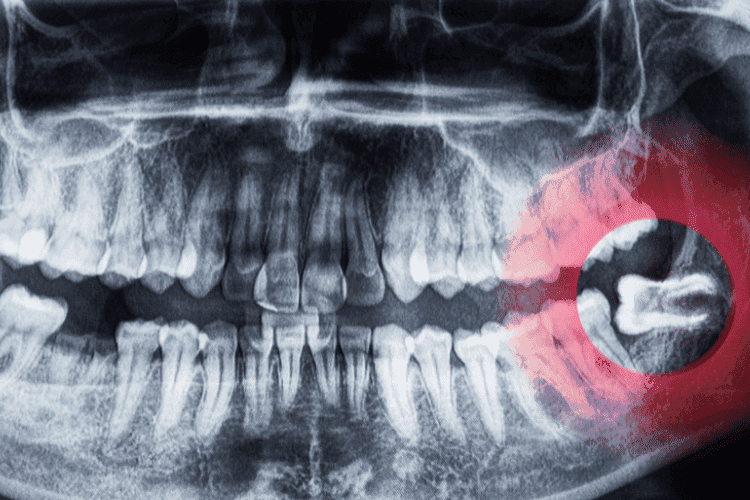
Smaller jaws often mean there isn’t enough room for the four wisdom teeth to erupt normally. This can lead to impacted teeth, which is when the tooth hits your jawbone or the tooth next to it and gets stuck. When this happens, you will experience a lot of pressure and a deep throbbing ache in your bone. Your teeth may move to accommodate the molar, resulting in a feeling of tightness around the teeth.
Pericoronitis
Partially erupted wisdom teeth have a flap of gum tissue that hangs over them. The flap is difficult to clean, trapping food particles and bacteria. Inflamed gums (pericoronitis) may develop, with symptoms such as an unpleasant taste in the mouth and swollen gums. This can lead to gum disease, cavities, intense pain, and even tooth decay.
Cysts and Damage
The sac that the wisdom tooth grows in can fill with fluid, forming a cyst. The cyst grows and can hollow out a small part of your jawbone. It can also damage the roots of healthy adjacent teeth. When this happens, you will experience a constant hollowing feeling of pressure in your jaw.
Who Needs Wisdom Teeth Removed?
Wisdom teeth can cause pain, swelling, discomfort, and infections that are not normal. The following signs tell you that you need your wisdom teeth extracted:
- Impacted Teeth: Teeth that are trapped under the gum or bone and can’t break through. They often grow sideways and cause crowding by pushing against your healthy second molars.
- Pericoronitis: This is a recurring infection of the gum flap that partially covers a wisdom tooth. It’s painful and often returns until the tooth is gone.
- Cysts or Tumors: The sac around an unerupted tooth fills with fluid, which can hollow out the jawbone or damage nearby roots.
- Unfixable Decay: Because wisdom teeth are so far back, they are hard to clean. If they get a deep cavity, a dentist can’t reach it to fill it properly, making extraction the better choice.
Wisdom Teeth Removal Procedure
A dentist or oral and maxillofacial surgeon will evaluate your situation and recommend treatment. In many cases, dentists recommend early removal in your late teens or early 20s, even if they do not hurt yet.
It’s because at this age, the roots are yet to form fully, and the jawbone is less dense. This makes the surgery easier and encourages faster recovery.
The surgery usually involves the following:
- Consultation & X-Rays: Your dentist or oral surgeon will examine your mouth and take X-rays to check the position of your wisdom teeth and how they are growing.
- Anesthesia: You’ll receive local anesthesia, sedation, or general anesthesia, depending on your needs and the complexity of the extraction.
- Extraction: If the tooth has erupted, your surgeon may remove it like a regular tooth. If you have an impacted tooth, the surgeon will make a small cut in the gum and may remove some bone to reach the tooth. The surgeon may also divide the tooth into sections for easier removal.
- Stitches & Gauze: The surgeon will then close the side with dissolvable or removable stitches and place a gauze on the area to help with the bleeding.
- Recovery: Most people recover in a few days. The worst day of pain after wisdom tooth extraction is usually on the second or third day. But you can manage it with prescribed medication and ice packs. After that, you should have mild discomfort that fades with time.
Benefits of Wisdom Teeth Removal
Wisdom tooth removal comes with advantages such as:
- Relieves Pain and Discomfort: Eases jaw pain, pressure, discoloration, and swelling caused by impacted or misaligned wisdom teeth.
- Prevents Infections and Gum Disease: Reduces the risk of pericoronitis and bacterial buildup around partially erupted teeth.
- Protects Other Teeth: Stops crowding, pain, shifting, and damage to surrounding teeth caused by pressure from erupting wisdom teeth.
- Reduces Risk of Tooth Decay: Eliminates hard-to-clean areas where food and bacteria often get trapped.
- Supports Better Oral Hygiene: Makes it easier to maintain a clean, healthy mouth with fewer obstructions in the back.
Monitoring and Prevention
Regular dental visits, especially during your teen years, allow your dentist to track the development of third molars. X-rays show whether your wisdom teeth are coming in straight or if they might cause problems.
This way, you can stay ahead of the problem and avoid painful symptoms and complicated removal. Good oral surgeons will quickly identify the problem and recommend removal before you experience the symptoms.
Preventative Tips
You cannot prevent your wisdom teeth from growing or becoming impacted. But, you can prevent pain and infection if they are coming in straight with the following tips:
- Use a Small-Head Toothbrush: A smaller brush can reach the tight space between the tooth and the jawbone, preventing the buildup of bacteria and food.
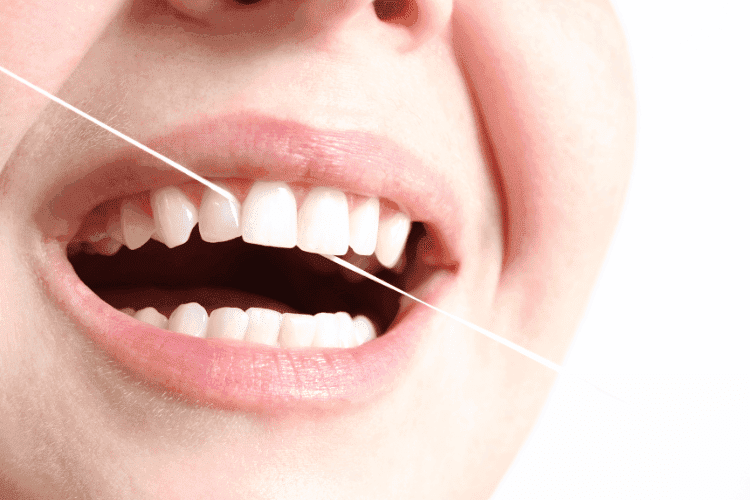
- Use a Water Flosser: A water flosser can flush out the pockets where food gets trapped.
- Saltwater Rinses: This is a natural disinfectant that keeps the area under the flap clean.
- Use an Antibacterial Mouthwash: Use an alcohol-free antimicrobial rinse to kill bacteria in the spots your toothbrush cannot reach.
- Limit Sugars: Sugar is food for the bacteria that live around wisdom teeth. Since those teeth are hard to clean, the sugar sits there longer and causes faster decay.
- Attend All Dental Appointments: Consistent monitoring will help your surgeon determine if you will have problems when wisdom teeth erupt.
Paramount Dental: Wisdom Teeth Health and Extraction Experts
If you notice signs like intense or persistent pain, swollen or inflamed gums, or any difficulty with jaw movement, it’s time to seek professional help.
We have helped many people with wisdom teeth monitoring and extraction through our oral surgery services. Our oral surgeon can assess your condition and recommend the next steps tailored to your needs.
If you’re feeling nervous about your surgery, ask about our sedation dentistry options. The goal is to maintain your oral health while keeping you comfortable during procedures.
We also offer preventive dentistry services, keeping your smile brilliant for years to come and your oral health in the best place.
FAQs
At What Age Do Wisdom Teeth Usually Come In?
Most people get them between the ages of 17 and 25. However, you can get them as early as 13 and as late as 60.
Do Wisdom Teeth Always Cause Pain?
No. Some people have wisdom teeth come in without any pain or symptoms. It does not always mean that there’s something wrong or that the teeth will not cause problems later on in life.
How Long Does it Take for Wisdom Teeth to Fully Erupt?
It varies. Eruption may take weeks to months, depending on your mouth and jaw structure.
Should Wisdom Teeth Be Removed if They’re Not Painful?
Not always. The best way to know is by visiting an oral surgeon who can monitor the teeth and determine if they will cause any problems in the future.
How Will I Know if My Wisdom Teeth are Impacted?
Intense jaw pain, difficulty opening your mouth, a feeling of tightness, and recurring infections can be signs of impaction.
Is Wisdom Tooth Pain Normal?
Mild discomfort and pain are normal, and you can manage them with painkillers. But ongoing or severe pain is not normal and will need examination by a professional.
Conclusion
Every smile develops differently. Many people experience wisdom teeth eruption in their late teens or early twenties, but the timing and symptoms can vary widely.
Regular dental checkups and x-rays will help your dentist determine if your wisdom teeth will cause any problems. And even as they begin to come in, maintain good oral hygiene to prevent infections.
Monitoring signs such as jaw pain, swollen gums, tightness around the teeth, pus, or pressure at the back of your mouth can help you catch problems early and get your wisdom teeth removed.