
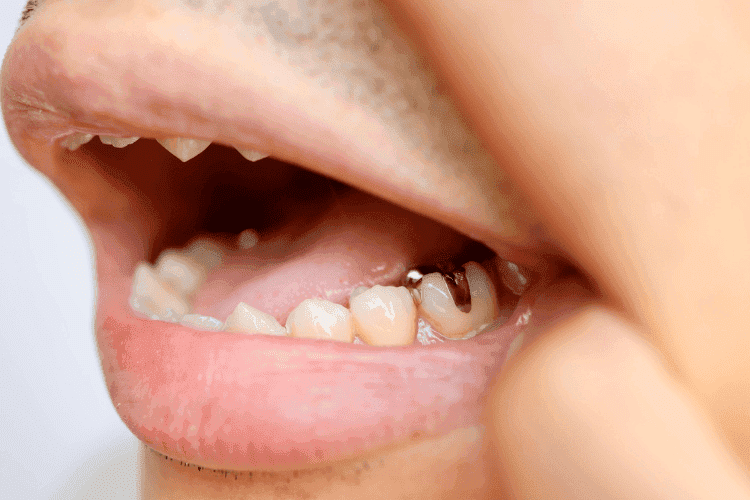
If you are looking into restorative dental options, you may have heard about silver crowns. They can help fix damaged or decayed teeth. They are strong, long-lasting, and cost-effective. However, like any dental treatment, they have side effects. These side effects are important to know, for your comfort and oral health. This blog explains the side effects of silver crowns.
Key Takeaways
- Silver crowns are durable, affordable, and commonly used in dental restorations.
- Silver and stainless steel crowns are made from a metal alloy.
- Like all treatments, they come with potential side effects such as sensitivity or aesthetic concerns.
- Alternative crown materials, such as porcelain and resin, may offer better aesthetics but often come at a higher cost.
- Maintaining good oral hygiene and visiting your dental office regularly can keep your dental crown in good condition.
- We offer personalized care, modern solutions, and compassionate support to help you choose the right treatment for your smile.
We offer dental crown procedures at four locations in California for your convenience. Our friendly team looks forward to welcoming you to Placerville, Yuba City, Sacramento, or Roseville.
What Are Dental Crowns?
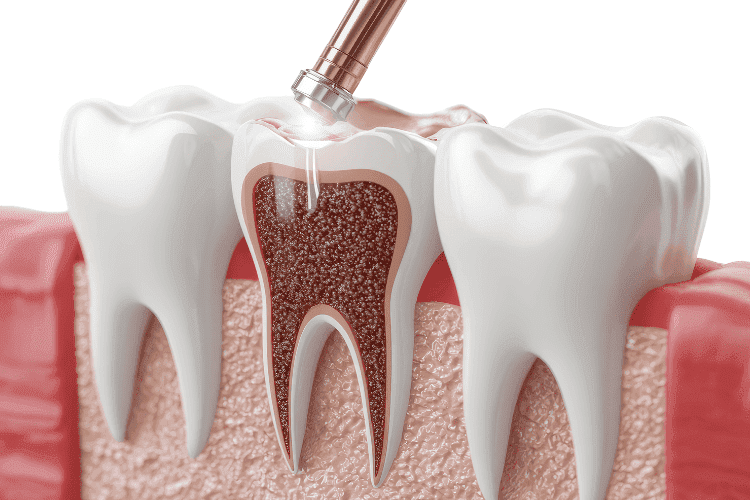
Dental crowns are custom-made caps that cover a tooth. They help restore strength, function, and appearance after extensive decay, fracture, or major dental work. Dental crowns are especially helpful when there are large fillings that could weaken your tooth. The crown gives the tooth extra protection.
A well‑fitted crown allows you to chew comfortably and protects the remaining structure of your natural arch.
Many patients choose dental crowns when:
- A tooth is too weak for a filling.
- A large dental filling has failed.
- A tooth is cracked or broken.
- You want to restore a severely worn tooth.
- You want to restore and protect damaged and weak teeth after extensive dental procedures, such as after a root canal treatment.
- If you have dental implants, you will also have dental crowns. Your dentist may place a temporary crown while your gums heal and until your permanent crown is ready.
Silver Dental Crowns Explained
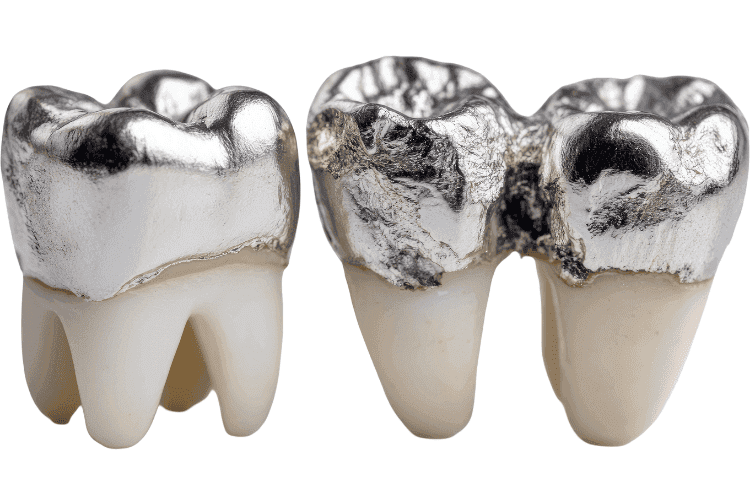
Dental professionals use different materials to make dental crowns. Many patients choose metal crowns, including traditional silver crowns, for their durability and affordability. Dentists typically make silver tooth crowns from stainless steel, designing them for protection against decay and further damage.
Silver crowns often use silver fillings (amalgam), an alloy that includes chromium, nickel, and iron. They are strong, affordable, and last a long time. This makes them great for large fillings and restoring damaged teeth.
But while they’re functional, there are things to know before choosing them for your smile.
Common Side Effects of Using Silver for Crowns
Even the best restorations can have side effects if your mouth isn’t fully prepared or if aftercare is overlooked.
Tooth Sensitivity
It’s normal to experience some sensitivity after crown placement. But sharp or severe pain or prolonged discomfort might signal:
- Improper fit
- Inflammation
- Gum irritation
Our team checks for these issues proactively to keep you comfortable.
Decay Around the Crown
If plaque accumulates at the edges of a crown due to brushing gaps or flossing challenges, tooth decay may return. Food particles can accumulate around dental crowns, contributing to plaque build-up and bacterial growth.
If not properly cared for, the supporting tooth may experience further decay. This can lead to problems such as infection or tooth loss. That’s why we stress proper home care and regular dental visits.
Loose or Damaged Crowns
Crowns can become loose due to decay, grinding, or trauma. A loose crown can be a warning sign of infection or the need for replacement. If a silver crown becomes loose, it can allow bacteria to enter, increasing the risk of infection.
If a dental crown falls out, it is important to see your dentist immediately to prevent further damage. Your dentist must repair the crown as quickly as possible. We offer emergency dentistry and same-day appointments for these scenarios.
Allergic Reactions to Metal
In rare cases, some patients can experience allergic reactions to the metal in silver or stainless steel crowns.
Symptoms may include:
- Redness or irritation around the crown
- Persistent pain or discomfort
- Swelling or sensitivity
If you are sensitive to metal, we can discuss other materials. These include metal-free ceramic or all-porcelain crowns.
Types of Dental Restorations
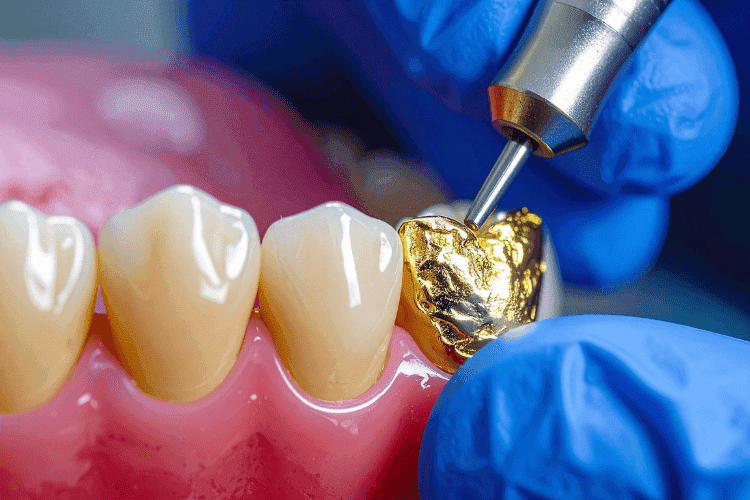
Understanding your restoration options helps you choose dental work that fits both your budget and your goals. Alternative materials, such as resin or porcelain, should be considered based on cost and patient needs.
Metal Crowns (Including Silver Crowns)
Metal crowns, such as those using amalgam fillings or metal alloy, are among the most durable restorations available. They handle chewing forces well and can last a long time with good care. Many dental practices choose silver teeth for their durability and cost-effectiveness, especially during restorative dentistry procedures.
Dentists often use silver tooth crowns to restore and protect decaying baby teeth in children. Stainless steel crowns, or large silver fillings, are safe and work well for children. This makes them a popular choice in pediatric dental care.
Benefits
- Highly durable
- Often more affordable
- Excellent strength for back teeth
Considerations
- Not naturally tooth‑colored
- Certain side effects can occur
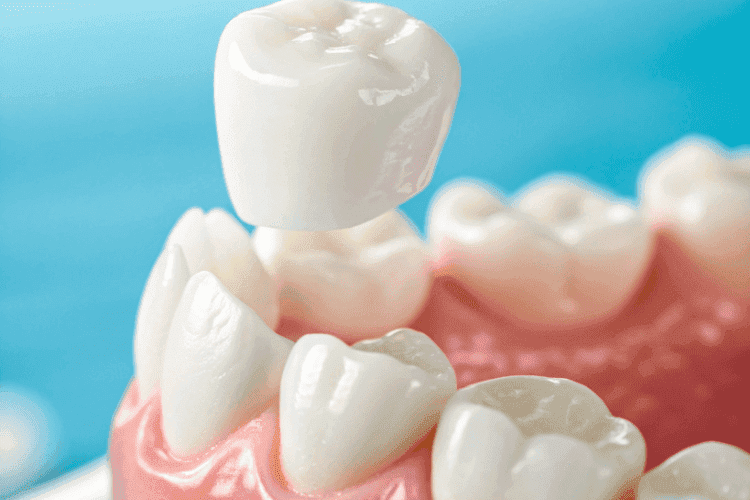
Porcelain and Ceramic Dental Crowns
These are popular alternatives because they mimic the appearance of natural teeth. Dentists often select composite resin or porcelain for their natural appearance, especially when restoring front teeth, where aesthetics are most important.
- Porcelain fused to metal (PFM) combines strength with better aesthetics
- All‑ceramic restorations are metal‑free, ideal for those seeking a fully natural look
These options may cost more, but many patients feel the cosmetic benefits are worth it. Porcelain and ceramic are commonly used materials for crowns on front teeth.
Other Dental Restorations
- Composite resin: tooth‑colored filling material
- Ceramic fillings: durable and aesthetic
- Stainless steel crowns: often used in children or temporary applications
Each type has its place depending on your goals, budget, and oral health needs. If you’d like to explore each type in more detail, read this article dedicated to the Types of Crowns for Teeth.
Gum Disease and Its Effects
Your gum health directly affects how well a crown performs.
Gum disease can:
- Cause inflammation and bleeding
- Lead to bone loss around the tooth
- Increase risk of crown loosening
- Make tooth decay more likely
Gentle care around the affected area is important to promote healing and prevent further complications. Gum recession can expose the tooth root, increasing the risk of infection beneath crowns. Infections can also occur under silver crowns if bacteria enter through gaps or cracks.
Poor gum health often comes from poor oral hygiene. Poor dental hygiene can cause plaque to build up. This can lead to bacteria growing around crowns. As a result, there is a higher risk of decay or infection.
Dr Cheema emphasizes the importance of a good daily routine. You should brush your teeth twice a day. Floss every day. Also, make sure to schedule regular check-ups. Addressing gum disease early preserves your teeth and extends the life of your crown.
Cost Considerations
We’ll work with you to find a comfortable and effective solution for your budget.
Why Silver Can Be Cost‑Effective
Metal-based crowns tend to be more affordable than porcelain or ceramic. Dental insurance often covers a portion of crown work, significantly reducing out‑of‑pocket costs.
While metal restorations save upfront money, some patients prefer tooth‑colored options for visible areas of the mouth, such as the front teeth. Porcelain and ceramic crowns can give you a natural smile.
Preventing Future Costs
Taking care of your teeth and practicing good oral hygiene can lower the chances of needing crown repairs or replacements.
We accept many dental insurance plans and help you maximize your benefits. We also offer free second opinions, flexible financing, and consultations so you feel confident about your choice.
Preventing Tooth Decay
A crown restores a damaged tooth, but preventing further tooth decay is always the goal.
Here’s what helps:
- Fluoride toothpaste and mouthwash strengthen enamel
- Limiting sugary foods and snacks reduces acid attacks
- Drinking water helps rinse bacteria away
- Floss daily to keep plaque under control
Small changes make a big difference to how your crown and natural teeth stay healthy. Our approach to preventive dentistry monitors your oral health and treats small problems before they become bigger dental issues.
Frequently Asked Questions
Are Metal Allergies Common?
They’re rare, but we screen for metal sensitivity and offer alternatives.
Can a Dental Crown Fail?
With proper care and regular check‑ups, crowns can last many years. Decay and poor hygiene increase failure risk.
What Should I Do if I Experience Persistent or Sharp Pain After Getting a Silver Crown?
Persistent or sharp pain after receiving a crown could signal an issue such as a poor fit, underlying decay, or pressure on the nerve. It’s important to contact your dental provider right away. We’ll assess the crown and make necessary adjustments to relieve discomfort and protect your tooth.
Can a Poorly Fitted Crown Cause Swollen Lymph Nodes?
Yes, in some cases, a poorly fitted crown can lead to inflammation or infection, which may cause swollen lymph nodes as your body responds. If you notice swelling or tenderness in your jaw or neck, don’t wait; our team can examine the area and address the problem to prevent further complications.
Conclusion
Using silver for crowns is a durable, cost‑effective way to restore strength to damaged or decayed teeth. But it’s also important to know the possible side effects of a silver crown tooth. We’ll work with you to find the most appropriate treatment option for your needs. If you had other crowns done in the past, we’ll happily check on those, too.
We focus on personalized, gentle care that helps you keep your smile healthy and confident. We offer same-day appointments. We also provide advanced sedation options and caring support.
Ready to talk about your crown options?
Contact us today to schedule a consultation and discover the best path forward for your smile.