
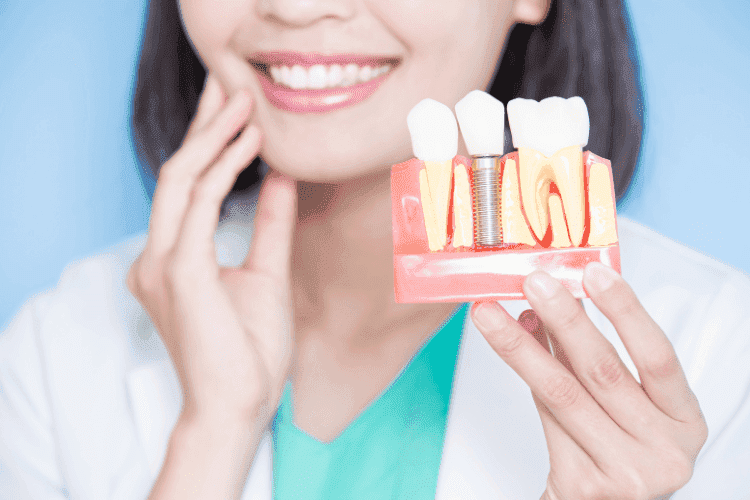
Dental implants have become a popular solution for replacing missing teeth. Their ability to look like natural teeth and give long-lasting results has made them a popular choice for many. However, not everyone is a candidate for dental implants.
There are a few good reasons not to get dental implants. These reasons include some health conditions and oral hygiene problems. Your dentist needs to check your overall health, medical history, and other risk factors before giving you the green light. This is to make sure dental implants are safe for you.
We advocate for what’s best for your long-term oral health. Before you proceed with dental implants, we’ll make sure you understand all the factors involved. If they aren’t right for you, we’ll share alternative options.
Key Takeaways:
- Not everyone is a suitable candidate for dental implants.
- You need excellent oral health for dental implant success.
- Health conditions such as untreated gum disease, uncontrolled diabetes, or autoimmune diseases can affect healing.
- Alternatives to dental implants, such as dental bridges and dentures, may be more appropriate for replacing missing teeth.
- Some patients who don’t have enough jawbone for traditional implants may be eligible for all-on-four implant-supported dentures.
Contact our office for a convenient appointment: (916) 898-0003. We have four locations across California, offering dental implant treatment. Make an appointment in Sacramento, Yuba City, Placerville, or Roseville.
Candidate Requirements for Dental Implant Surgery
Sufficient Jawbone and Healthy Gums
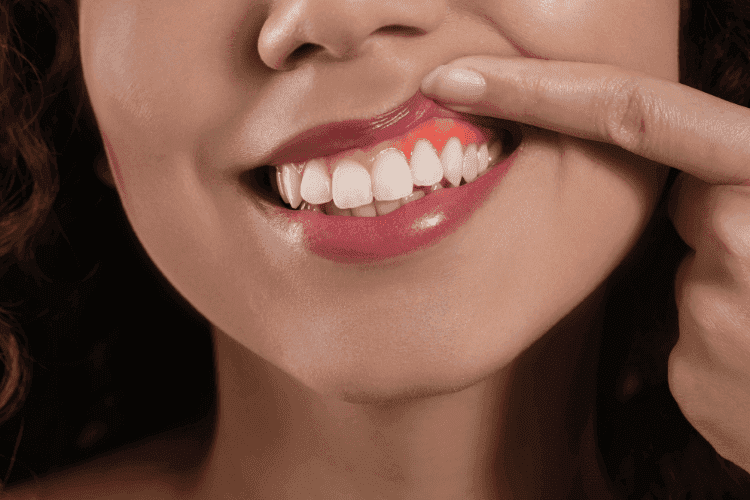
You need adequate bone density for the implant post to be secure. If you have insufficient bone, you may be eligible for bone grafts, but these add complexity and cost to the treatment. Healthy gums are also essential for supporting the implant and ensuring proper healing. Patients who have active gum disease (periodontal disease) are usually ineligible for dental implant surgery.
Good Overall Health
Certain medical conditions can interfere with healing and increase the risk of complications. Patients with uncontrolled diabetes may have higher risks. Those with autoimmune disorders, such as lupus or rheumatoid arthritis, are also at risk. Additionally, patients receiving chemotherapy or radiation may face increased risks. They are often advised to look into alternative treatments.
No Major Habits
Smoking is a significant risk factor for implant failure. Nicotine narrows blood vessels. This reduces blood flow to the gums and bone. It can affect your oral health by slowing healing and raising the risk of infection. Similarly, heavy alcohol use and teeth grinding (bruxism) can negatively impact the longevity of dental implants.
Age Considerations
Children and teenagers are generally not candidates for dental implants because their jawbones are still developing. Older adults may have extra risks from medications, long-term health issues, or slower healing. However, being older is not a reason to be disqualified.
The Role of the Dentist
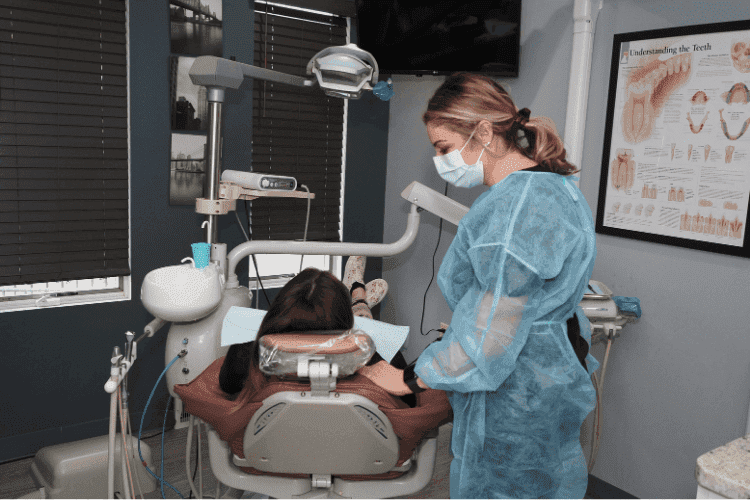
Your dentist will perform a thorough evaluation to determine if you are a candidate for dental implants. It includes reviewing your medical history, conducting imaging studies, and assessing your oral health. A skilled and experienced dentist can increase the success rate of dental implant surgery. This rate is usually between 95% and 98%. Even with expert care, problems can still happen. Issues like poor oral hygiene, untreated dental problems, or not following aftercare instructions can lead to implant failure.
Factors That Affect Eligibility for Dental Implants
Chronic Medical Conditions and Autoimmune Diseases
Certain medical conditions can make dental implant surgery riskier or inadvisable. For example, uncontrolled diabetes makes it harder for the body to heal. It also raises the risk of infection, which can cause implant failure.
Autoimmune diseases, such as lupus and rheumatoid arthritis, can affect how the body reacts to foreign objects. This includes dental implants.
Osteoporosis
Osteoporosis is a condition that affects bone density. Dental implants need a stable and dense bone structure to succeed. In patients with osteoporosis, the jawbone may be too weak. This makes placing implants risky without a bone graft first.
Other Medical Considerations
Patients who have had radiation therapy to the jaw, blood clotting disorders, or chronic infections are at higher risk. They may face more complications during and after implant surgery. People receiving immunosuppressive therapy or chemotherapy should be careful with dental implants. Their immune systems are weaker, which raises the risk of problems and affects the body’s ability to heal.
Smoking
Smoking significantly increases your risk of implant failure. Nicotine constricts blood vessels, reducing blood flow to the gums and bone, which can lead to poor healing and a higher risk of infection. Smoking and heavy drinking can weaken the immune system, which can slow down healing and raise the risk of complications. Heavy smokers may be advised to quit before undergoing implant surgery or consider alternatives altogether.
Teeth Grinding
Grinding or clenching (bruxism) is another factor that contributes to implant failure. The excessive pressure damages both the implant and the surrounding bone over time. For patients who grind their teeth, custom night guards may be needed to protect the dental implants. However, these guards do not completely remove the risk.
The Dental Implant Process: What to Expect
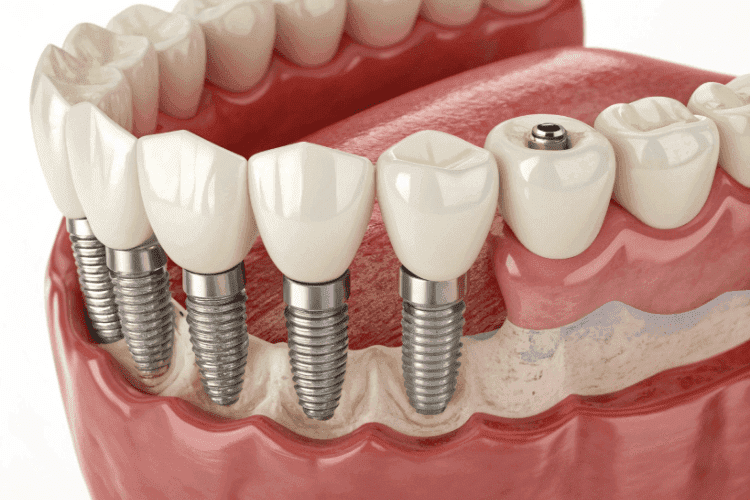
Many patients are surprised by the length and complexity of the dental implant process. From implant placement to final restoration, the process can take anywhere from six months to over a year. It involves several phases: consultation, imaging, surgical placement, healing, and final restoration. The entire implant procedure requires careful planning and coordination to ensure the best possible outcome. You need professional oversight throughout the process to manage your risks at each stage.
During the healing phase, which can last a few months, the implant must connect with the bone. This process is called osseointegration. It is important to let the jawbone heal properly during this time. This healing helps keep the implant posts stable. The posts are the base for the replacement teeth. Any complications during this time can delay or derail the entire treatment plan.
Patients must also think about their financial commitment. Implant costs can reach thousands of dollars. Dental insurance often offers limited coverage. This can create a high out-of-pocket cost. Follow-up appointments, additional treatments, and potential complications can add to the cost.
Moreover, patients need to be prepared for multiple visits, minor surgeries, and lifestyle adjustments. For example, a soft food diet may be recommended during the healing period. In some cases, temporary crowns or dentures are used while waiting for the final restoration. This can affect comfort and function.
Risks and Complications
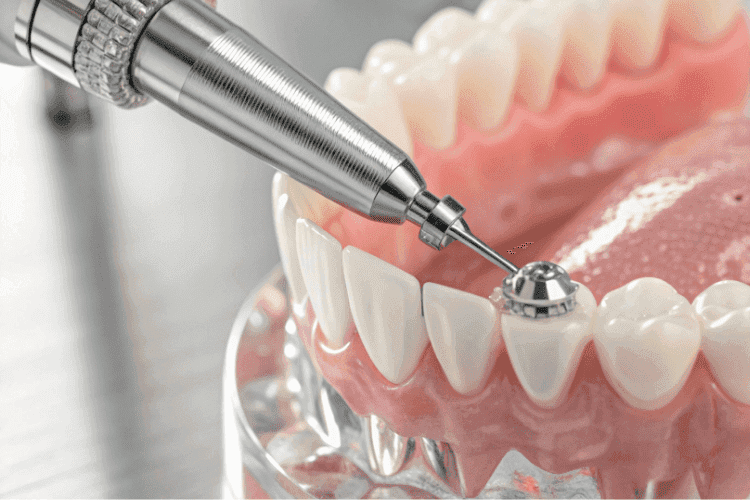
Like any surgical procedure, dental implant surgery carries risks. Factors such as implant site infection, smoking, uncontrolled health issues, and steroid use can contribute to dental implant failure:
- Infection at the implant site
- Nerve damage, which may cause pain or numbness
- Implant failure, especially if the bone doesn’t integrate
- Sinus issues can occur when dental implants are placed in the upper jaw
Infection and Inflammation
Infection at the implant site is one of the most common complications. Poor oral hygiene, smoking, and certain medical conditions can increase the risk of infection. If not treated, an infection can lead to peri-implantitis. This is a type of gum disease that can cause bone loss and implant failure.
Nerve Damage
Nerve damage is another potential complication, particularly when dental implants are placed in the lower jaw. Symptoms may include pain, numbness, or tingling in the affected area. While nerve damage is usually temporary, it can be permanent in some cases.
Dental Implant Failure
Part of your dentist’s role is to manage the factors that could lead to failure. Sometimes bone grafting fails, and you may require additional surgery. At other times, the patient’s body can reject the dental implants. Patients with autoimmune disorders, metal allergies, or those who smoke have a higher risk of rejection or complications.
Without proper care, dental implants can also loosen over time. Even successful implants need regular maintenance so they continue to function over the long term. Poor bite alignment, inconsistent oral hygiene, and missed check-ups can all shorten the lifespan of an implant. Habits like smoking and heavy drinking can increase the risk of implant failure. Certain health conditions can also raise this risk compared to other dental treatments.

Oral Health Requirements
You must practice good oral hygiene before, during, and after dental implant surgery. Brushing twice a day, flossing daily, using antibacterial mouthwash, and attending regular dental check-ups are non-negotiable. If your daily routine or physical limitations make maintaining oral hygiene difficult, dental implants may not be ideal.
Even people who maintain good oral hygiene may still face challenges. Some patients have naturally thin or fragile gum tissue, which may not support an implant long-term. Gum disease can weaken nearby tissues and bone, which can hurt the success of the implant.
Facial Structure Considerations
The success of a dental implant depends largely on the structural integrity of the jaw and facial bones. Low jawbone density makes it hard to place dental implants. Not having enough bone volume can compromise implant placement. The upper jaw is even more challenging because it is close to the sinus cavity.
Some patients may need a sinus lift in the upper jaw before implant surgery. This additional procedure adds time, cost, and risk to the implant process. Patients with serious jawbone loss may need several surgeries. These can include bone grafting to rebuild healthy bone tissue. This helps create a strong base for implant posts.
Some people may have conditions that affect their facial structure. These include cleft palate or jaw asymmetry. These issues can make it difficult to place implants successfully. Dental trauma from injury or previous surgeries can also reduce bone integrity, requiring more complex treatments.
Bone Loss and Dental Implants
Bone loss is both a cause and a consequence of missing teeth. When a tooth is lost, the jawbone in that area begins to deteriorate due to a lack of stimulation. As soon as a tooth is missing, bone starts to deteriorate, which can quickly compromise the stability of the jaw.
If you have insufficient jawbone density, you may need a bone graft. This is because enough bone tissue is necessary for the implant to fit and stay stable.
However, bone grafting comes with its own complications. Healing can take several months, and there is no guarantee of success. Good bone healing is important for the graft to support a future implant. Grafting procedures also increase overall treatment time and cost, which can be a barrier for many patients.
Alternatives to Dental Implants
If you’re not a good fit for traditional implants, don’t worry. These are effective alternatives to replace missing teeth, even if you have insufficient bone in your jaw due to tooth loss:
All-on-4 Dental Implants
For patients who don’t have enough jawbone, traditional implants may not be possible. In these cases, All-on-4 implant dentures can be a good choice. This technique uses four strategically placed implants to support a full arch of teeth. The implants are angled in a way that makes the best use of the available bone, often eliminating the need for bone grafting.
All-on-4 uses a smart placement strategy. It may help patients with moderate to severe bone loss get implant treatment. It also provides a quicker recovery and restoration process compared to placing individual implants.
Dental bridges
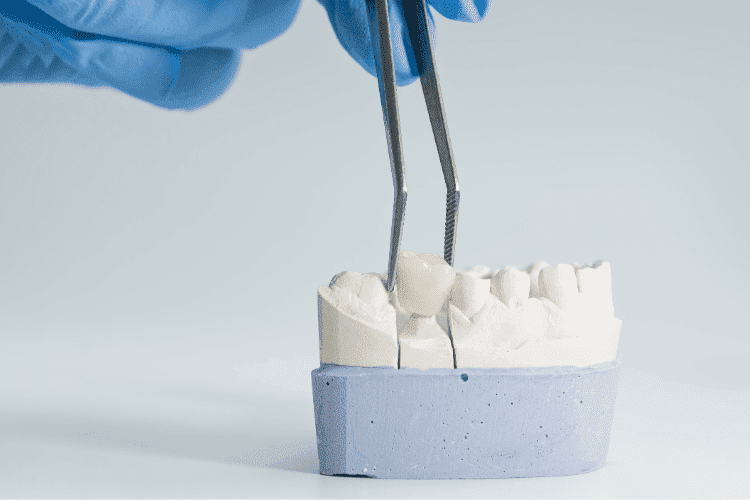
Dental bridges are fixed in place and use the surrounding teeth for support. A bridge is less invasive than implants, but your dentist will need to prepare the adjacent teeth to support the bridge. This makes the neighboring teeth weaker.
Dentures
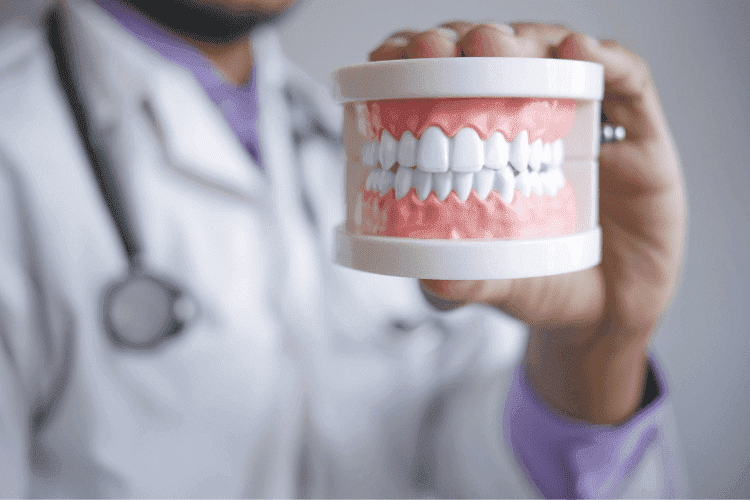
Partial dentures are removable prostheses that are more affordable than full dentures. They can be used to replace multiple teeth. Full dentures are suitable for patients missing most or all of their teeth.
These alternatives restore function and appearance. They are often quicker, less invasive, and more cost-effective than dental implants. They also come with fewer health requirements, making them ideal for patients with complex medical histories.
New dental materials and techniques make modern bridges and dentures look more like real teeth. They also work better than before. While they may not last as long as implants, full and partial dentures can still improve your quality of life.
Frequently Asked Questions About Dental Implants
Who Can’t Have Dental Implants?
People with uncontrolled diabetes, active gum disease, insufficient jawbone density, or autoimmune disorders may not be suitable for implants. A reputable dentist can provide personalized guidance if you fall into any of these categories.
Are Dental Implants Painful?
While the implant surgery is done under anesthesia, some discomfort is normal during recovery. Long-term pain may indicate complications and should be addressed immediately.
How Long Do Dental Implants Last?
With proper care, implants can last for decades. However, they are not immune to failure due to poor oral hygiene or underlying health conditions.
Can I Get Implants If I Grind My Teeth?
Bruxism (teeth grinding) increases the risk of implant failure. A custom night guard may help, but severe cases may make implants unsuitable.
What If I Can’t Afford Implants?
Alternatives like bridges or partial dentures may provide similar benefits at a lower cost. Your dentist can help you weigh the options.
Conclusion
Dental implants offer excellent benefits to replace missing teeth, but they’re not right for everyone. They are only effective when patients have sufficient bone density, are in good overall health, and are free of oral health problems. Unmanaged periodontal disease and chronic medical conditions can lead to complications and affect implant success.
Contact our office to find out how we can help you with tooth loss. It may be a bone graft to stimulate jawbone growth, treatment to improve your gum health or tooth decay, or alternatives to dental implants, such as dentures or a dental bridge. We’d love to help you maintain a healthy mouth.