
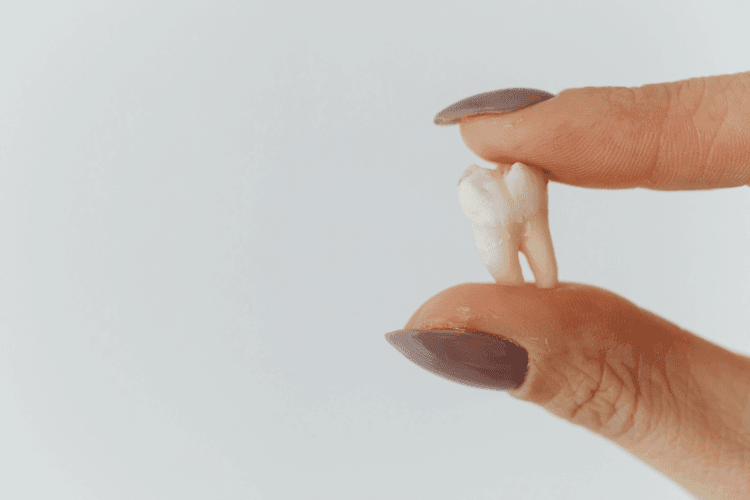
Tooth extraction is a dental procedure that oral surgeons perform for a damaged tooth. You can also get a tooth extraction for a severely decayed tooth, in preparation for dental implants, or for impacted wisdom teeth.
It is important to take care of your overall and dental health after having natural teeth removed. What you do (and don’t do) in the days and weeks following can prevent complications such as dry socket and help you heal properly, even in simple extractions.
This guide will take you through the most important things to stay away from after having a tooth extracted, so you can heal properly and enjoy a speedy recovery.
Key Summary Points
- Avoid hard, crunchy, and spicy foods for at least a week to prevent severe pain, irritation, or injury to the extraction site.
- Don’t use a straw for at least a week to prevent creating suction that could dislodge the blood clot and cause dry socket.
- Stay away from alcohol and tobacco during the recovery to promote proper healing and prevent complications.
- Avoid vigorous physical activity for a few days to prevent increased blood flow and disturbance of the healing extraction site.
- Don’t neglect prescribed medications. Take them as directed to manage pain and reduce the risk of infection.
Top Food Items To Avoid After Tooth Extraction
Your diet is important in the healing process after teeth extractions and any other restorative dental procedures. A soft food diet is the best option, as some foods can affect the healing process and lead to complications.
During the First 24 Hours
What you eat in the first 24 hours can help with healing or cause severe pain and irritation. Be extra cautious during this period to prevent complications like bleeding and dry socket. Here’s what to stay away from:
Hot Foods and Drinks
Steer clear of hot foods such as soups and porridge. Hot temperatures can irritate the surgical site and may even increase the risk of bleeding. Instead, choose cold or lukewarm items.
Crunchy and Hard Foods
Hard foods like chips or popcorn can cause discomfort and pain by piercing the area. They may even dislodge the blood clot that forms over the extraction site.
According to an article published by Harvard Health, care for the clot is necessary for healing, as it promotes blood clotting and helps keep the extraction site clean and free of bacteria. For this stage, stick to the soft diet.
Spicy Foods
Spicy items, such as spicy wings or curry, can irritate the extraction area and cause pain or swelling. Also, avoid chewing on the extraction side in general.
During the First Week
As you move into your first week of recovery, the extraction site will begin to heal. But this does not mean you should go back to your normal diet. There are some foods you should keep evading, including:
Sticky and Chewy Foods
Foods like chewing gum or taffy can stick to the extraction site, increasing the risk of infection and disrupting the healing process.
Crunchy Foods
As your healing continues, stay away from hard and crunchy foods, such as raw vegetables and granola bars. They can cause discomfort and may irritate the surgical site by piercing the area. Stick to things like blended soups and mashed potatoes.
Citrus Fruits
While citrus fruits are healthy, their acidity can irritate the extraction site. Avoid fruits like oranges and lemons during the first week of healing.
After One Week
During this phase, your surgical extraction site should be doing better. But you should continue being cautious with your diet. Steer clear from the following:
Solid Foods
It’s still best to avoid solid foods like steak or crusty bread that may require a lot of chewing. These can be too rough for the area around the extraction site.
Frozen Foods
Frozen foods such as ice cream are soothing. But if you experience any discomfort or sensitivity in the extraction site, stop consuming them.
Drinks to Avoid After Tooth Extraction
Just as with food, there are certain drinks you shouldn’t have after a tooth removal. They include:
Hot Drinks
Hot beverages, such as hot chocolate or tea, can increase blood flow to the extraction site and may cause irritation or discomfort. It’s best to wait before taking hot drinks. Instead, stick to cold or lukewarm beverages.
Alcoholic Beverages
You should avoid alcohol for at least 72 hours and longer if you are taking medications. According to an article by the Journal of Dental Research, alcohol can interfere with the healing process, increasing the risk of infection. Also, alcohol may react badly with the medications you may be taking.
Drinks with Straws
The sucking motion from using a straw can dislodge the blood clot that forms at the extraction site. Disturbing the blood clot can lead to a painful condition called dry socket. Don’t use straws for at least a week after extraction.
Activities/Actions to Avoid After Tooth Extraction
It’s important to evade some activities that can affect the recovery process, including:
Avoid Physical Exercise
According to a study in the Journal of Dental Sciences, extreme physical activity, such as heavy lifting or vigorous exercise, can raise blood pressure and cause blood to rush to the extraction site. This can increase the risk of bleeding. Don’t engage in any vigorous exercise for at least 48 hours, or longer, to allow your body to heal properly.
Don’t Touch the Surgical Site
Do not touch the extraction site with your fingers or tongue, as it can introduce bacteria and cause an infection.
Avoid Rinsing and Spitting
For the first 24 hours, avoid spitting forcefully and rinsing your mouth. Doing so can dislodge the blood clot, leading to complications like dry socket. Your oral surgeon should let you know when you can clean your mouth.
Avoid Smoking
You should stop smoking and using tobacco products for at least 48 hours after the extraction, and preferably for several days or longer. The suction from inhaling can dislodge the blood clot and increase the risk of developing dry socket.
According to a study by the Journal of Wound, Ostomy, and Continence Nursing, smoking also reduces blood flow to the healing tissue. It introduces toxins that can delay healing. Also, smoking can affect your general oral health, so quit if you can.
Avoid Cleaning Your Mouth Vigorously
After the extraction, avoid vigorously brushing your teeth around the extraction site or using mouthwash with alcohol.
Aggressive cleaning can irritate the surgical site and slow down the healing process. Instead, once your surgeon approves it, rinse your mouth gently with warm salt water to keep it clean and help with a speedy recovery.
What to Avoid in Long-Term Aftercare
Proper care in the long term is just as important for healing. Here’s what to stay away from in the weeks to months after your extraction:
Tobacco Use
Smoking or using tobacco can affect healing and increase the risk of developing dry socket. Avoid tobacco use for as long as possible, at least until you are fully healed.
Alcohol
As with tobacco, you should limit alcohol as it can interfere with healing. Plus, according to an article by the Royal College of Surgeons, excessive alcohol intake can lead to health problems such as tooth decay and oral cancer.
Neglecting Oral Hygiene
While you shouldn’t brush the extraction site for the first 24 hours, you should maintain good oral hygiene after that. Gently rinse with warm salt water two to three times daily after the first day and use a soft-bristled toothbrush to keep the area clean.
Tips for Tooth Extraction Aftercare
To help with a smooth and comfortable recovery, follow these tips:
- Elevate Your Head While Sleeping: Keep your head elevated while sleeping for the first few nights. It can help reduce swelling by controlling blood flow to the area.
- Apply Ice: Place an ice pack on your cheek for 15-20 minutes at a time during the first 48 hours to help reduce swelling and pain.
- Follow Your Dentist’s Instructions: If your dentist has prescribed medication, follow the instructions carefully. Take pain relievers as your dentist directs. Also, if you have an antibiotic prescription, finish the whole course.
- Stay Hydrated: Drink plenty of water to support your body’s healing. But do not use straws. You can also drink lukewarm herbal teas.
- Eat Soft Foods: During the healing process, eat soft, easy-to-chew foods such as mashed potatoes, cold soups, scrambled eggs, and smoothies. Pick foods that are soft and have essential nutrients for healing.
Paramount Dentistry: Tooth Extraction Experts
Our dentists understand the anxiety and discomfort that can come with a tooth extraction. That is why we help you feel at ease. Our surgeon will guide you through the entire process, including how to care for yourself afterward.
We are experts in sedation dentistry, prioritizing your comfort and long-term health. So, if you’re worried about tooth extraction or need more advice on aftercare, don’t hesitate to contact us. We also offer cosmetic dentistry procedures to help you achieve a healthy smile.
Frequently Asked Questions
What Are You Not Supposed to Do After Tooth Extraction?
After a tooth extraction, avoid drinking from a straw, drinking hot drinks, eating hard, spicy, or crunchy foods, and vigorous physical activity. Also, do not touch the extraction site. Instead, eat soft, nutritious foods and follow your surgeon’s instructions.
When Can I Start Using a Straw After a Tooth Extraction?
Do not use a straw for at least a week after a tooth extraction. The suction created by the straw can dislodge the blood clot, leading to dry socket.
Is Caffeine OK After a Tooth Extraction?
It’s best to stay away from caffeinated beverages, such as coffee or energy drinks, for at least 48 hours after your tooth extraction. These drinks can irritate the area and delay healing.
How Long Should You Rest After Getting a Tooth Pulled?
You should rest for at least the first 24-48 hours after a tooth extraction to promote healing. Avoid physical labor, and keep your head elevated to minimize swelling and bleeding.
Can I Work Out After Tooth Extraction?
No. You shouldn’t engage in extreme exercise for at least 48 hours after your tooth extraction. Vigorous activity can increase blood flow to the extraction site, leading to bleeding and other complications.
Final Thoughts
Proper aftercare after tooth extraction is necessary for a smooth recovery. Always follow your dentist’s instructions and avoid certain foods, such as hard and spicy items, to help your body heal properly. Also, do not engage in habits such as smoking and drinking so your recovery is speedy and complication-free.
Reference List
- Alcohol Consumption Can Damage Oral Health, Warn Dental Surgeons. (2019, 04/01/19) Royal College of Surgeons, Royal College of Surgeons.
- Guo, S, and L A Dipietro. Factors Affecting Wound Healing. (2010, 03/10) Journal of Dental Research, U.S. National Library of Medicine.
- Huang, Jinxia, et al. Risk Factors for Bleeding after Dental Extractions in Patients Receiving Antithrombotic Drugs – A Case Control Study. (2022, 04/22) Journal of Dental Sciences, U.S. National Library of Medicine.
- Lisa Catanese, ELS. Dry Socket: Preventing and Treating a Painful Condition That Can Occur after Tooth Extraction. (2025, 02/06/25) Harvard Health.
- McDaniel, Jodi C, and Kristine K Browning. Smoking, Chronic Wound Healing, and Implications for Evidence-Based Practice. (2014) Journal of Wound, Ostomy, and Continence Nursing : Official Publication of The Wound, Ostomy and Continence Nurses Society, U.S. National Library of Medicine.