

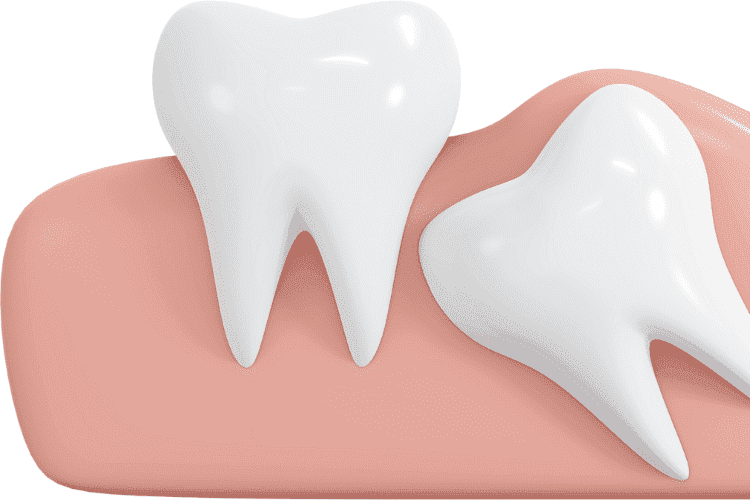
Wisdom tooth extraction is a common dental procedure. It involves removing one or more of your third molars. These are the last teeth to come in your mouth. They often cause issues like crowding, impaction, or infection due to limited space in the jaw.
Recovery from wisdom tooth extraction can take a few days to a week. Most patients feel mild discomfort, swelling, and the most pain during this time. These are all part of the body’s natural response to inflammation. Understanding what to expect helps minimize anxiety and supports a smoother healing and recovery process.
Key Takeaways
- The worst day of pain typically peaks on the second or third day after wisdom tooth extraction.
- You must follow your dentist’s post-extraction care instructions to support the healing process and avoid complications.
- Eating soft foods and staying hydrated supports healing.
- Applying ice packs and prescribed medications can help manage pain after wisdom tooth extraction.
- Watch for complications like dry socket or infection at the surgical site.
Paramount Dental offers wisdom tooth extractions in four convenient locations in California. Our caring team looks forward to welcoming you to our dental offices in Placerville, Roseville, Sacramento, and Yuba City.
Pre-Extraction Preparation
Before oral surgery, talk to your dentist about your medical history, medications, and concerns. Ask questions about what the recovery process will look like. Knowing what to expect reduces anxiety.
You should also:
- Arrange for transportation post-procedure
- Have a trusted adult stay with you for the first few hours
- Stock up on essentials: soft foods, pain medication, gauze, and ice packs
Doing this preparation helps you feel more in control and ensures a comfortable recovery environment. We offer various types of sedation dentistry to keep you comfortable, including nitrous oxide, conscious sedation, IV sedation, and, in some cases, general anesthesia.
Post-Extraction Care
The first 24 hours set the foundations for a smooth recovery. Follow your dentist’s advice, including:
- Taking pain medication as prescribed
- Applying ice packs for 15-20 minute intervals to minimize swelling
- Avoiding smoking, alcohol, and intense physical activity
- Not drinking from straws (so you don’t dislodge blood clots)
Use warm saltwater rinses starting 24 hours after surgery to cleanse your mouth gently. You may experience minor bleeding in the hours after the procedure.
Stick to soft foods such as mashed potatoes, smoothies, yogurt, and scrambled eggs. These options are easy to eat and won’t disturb the extraction site.
Managing Pain After Wisdom Tooth Removal
Pain after wisdom teeth extraction is expected, but it’s usually mild and manageable. For most patients, the worst day of pain arrives on day two or three. This peak is normal and part of the healing process.
Remember that everyone’s perceptions and experiences of pain are different. Some patients experience a dull ache, while others find the pain more intense.
Here’s how to manage it:
- Stick to your pain management plan
- Alternate between prescribed medications and over-the-counter options (if advised)
- Use ice packs to reduce swelling
- Rest and keep your head elevated to minimize pressure and throbbing
Contact your dentist if the pain feels severe or is not improving with medication.
Pain Relief Options
- Prescription pain medication for intense discomfort
- Over-the-counter anti-inflammatories (like ibuprofen)
- Use ice packs on the outside of your face to soothe jaw muscles and reduce inflammation
- Relaxation techniques like deep breathing or guided meditation

Do’s and Don’ts After Wisdom Tooth Extraction
You must protect the blood clot that forms at the extraction site. It’s your body’s natural bandage.
Do:
- After the first 24-hours, you can gently rinse your mouth with warm salt water
- Keep the area clean
- Avoid poking or prodding the site with your tongue or fingers
Don’t:
- Smoke or use tobacco; these can slow healing
- Eat hot foods or spicy foods too soon
- Suck on anything (straws, candy, etc.)
Dislodging the protective blood clot can lead to a painful condition called dry socket, which significantly delays healing. It causes throbbing, sharp pain at the extraction site that doesn’t respond well to pain medication.
Read the complete list of dos and don’ts after wisdom tooth extraction here.
Oral Hygiene During Recovery
Even though your mouth is tender, maintaining oral hygiene is still important:
- Brush the surrounding tissues gently, avoiding the extraction site
- Use a soft-bristle toothbrush
- Avoid mouthwash with alcohol
Mouth rinses should be gentle and done with warm salt water, especially after meals. The salt water keeps your mouth clean and can reduce swelling.
Potential Complications
Most wisdom tooth extractions go well, but watch for signs that could turn into a dental emergency quickly. These signs may include dry socket or an infection at the surgical site:
- Severe pain or throbbing pain that doesn’t improve. “Normal pain” should improve with pain medication.
- Increasing pain after day three
- Bleeding that doesn’t stop or worsens
- Persistent or excessive swelling or pus
- Bad taste or foul odor from the mouth
- Numbness or tingling (possible nerve sensitivity)
If you experience any of these, contact Paramount Dental immediately.
Pain Peaks and Management
So, when is the worst day of pain after wisdom tooth extraction?
Most patients experience the worst discomfort on day two or three. This is when your body’s natural inflammatory response is in full swing. Swelling peaks, jaw stiffness might increase, and chewing soft foods can feel challenging.
Here are some tips for managing the worst day of pain after wisdom tooth extraction:
- Take medication on schedule
- Stick to soft foods like applesauce, protein shakes, smoothies, and soup
- Gently rinse with salt water
- Keep your head elevated
- Stay hydrated
Most patients notice a steady improvement from day four.

10-Day Wisdom Tooth Healing Timeline
Day 1: Bleeding stops within a few hours. Rest with your head elevated. Use gauze and ice packs as directed.
Day 2–3: Pain and swelling peak. These are usually the worst days of pain after wisdom tooth extraction. Stick to your pain management plan and soft foods.
Day 4: Discomfort begins to ease as the healing process continues. Swelling may start to reduce. Continue with salt water rinses.
Day 5: You may start feeling more like yourself. Some jaw stiffness and mild soreness may linger.
Day 6–7: You should feel a significant improvement. You can reintroduce more solid foods, but still avoid anything crunchy or spicy.
Day 8–9: You’re almost fully healed. Keep up with oral hygiene and monitor for any lingering signs of infection or discomfort.
Day 10: Most patients feel completely normal by this point. Any remaining tenderness should be minimal. Follow up with your dentist if anything still feels off.
Diet, Nutrition, and Activity During Recovery
Eating wholesome food supports healing, but it’s quite likely that you won’t feel like eating. Eat small, nutritious snacks every few hours.
Focus on:
- Soft foods like oatmeal, mashed potatoes, soup, and smoothies
- Protein-rich meals like eggs or Greek yogurt
- Avoid hot foods, spicy foods, and anything crunchy
- Drink plenty of water
Avoid crunchy foods, such as seeds or grains that might lodge in the socket.
For more ideas, read What to Eat After Wisdom Teeth Removal.
Your Physical Recovery Timeline
- Days 1–3: Focus on rest. Avoid strenuous activity, bending over, or heavy lifting to prevent bleeding or dislodging the blood clot.
- Day 4: Light activities (like walking or desk work) are usually okay if you feel up to it. Most people want to resume their normal activities four to seven days after surgery.
- Days 5–7: You can generally return to work or school if your pain and swelling are well-controlled.
- After Day 7: Most patients can return to exercise and social events. They can also go back to their normal routine (unless their dentist advises them not to).

Self-Care Techniques for Recovery
Prioritize self-care during the healing process by:
- Resting without guilt
- Practicing deep breathing for relaxation
- Following your pain management plan
- Avoiding screens to reduce sensory overload
Be patient with your body. Healing takes time.
Frequently Asked Questions About Wisdom Tooth Removal
What Is the Worst Day of Pain After Wisdom Tooth Extraction?
Most patients find that the second or third day after surgery is the most painful. It is when swelling and inflammation peak. Pain typically begins to ease after day three as healing progresses.
How to Relieve Wisdom Tooth Pain While Pregnant?
If you’re pregnant and experiencing wisdom tooth pain, always consult your OB-GYN and dentist first. Safe options may include cold compresses, salt water rinses, and acetaminophen (if approved). Avoid any medication or treatment not specifically cleared for pregnancy.
How Is Day Four After Wisdom Teeth Removal?
By day four, most swelling and pain begin to decrease. You should notice improvements in mobility, and chewing soft foods becomes easier. If pain increases or new symptoms appear, consult your dentist.
How Should I Feel on Day Three of Wisdom Teeth Removal?
Day three is often the most challenging for wisdom tooth extraction pain. Pain, swelling, and limited jaw movement are common. However, these symptoms are temporary and usually start improving soon after. Follow your care plan closely and contact your dentist if symptoms worsen.
Final Thoughts
We understand that the thought of having your wisdom teeth removed may make you anxious. But with the right support, preparation, and self-care, you can manage the worst day of pain after wisdom tooth extraction with confidence. We’re here to ensure your comfort, safety, and recovery from start to finish.
Contact us to book a convenient appointment: (916) 898-0003.