
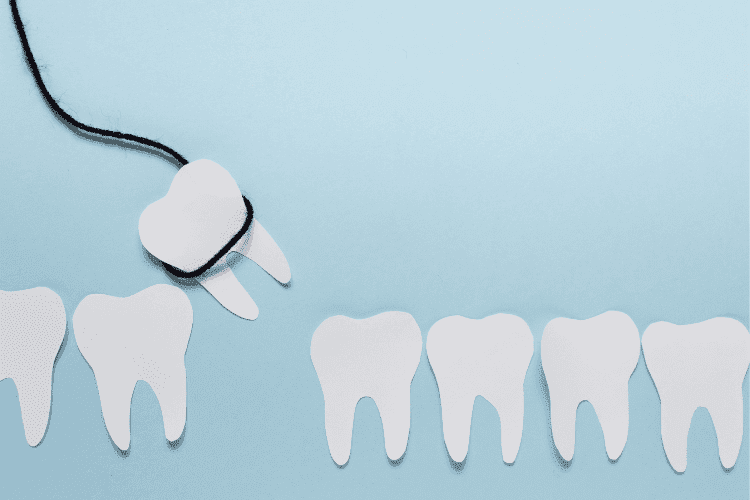
Dos and Don’ts After Wisdom Tooth Extraction: Complete Guide to Aftercare
Having wisdom teeth removed can be good for your oral health and comfort. However, the results of your extraction can vary depending on how you take care of yourself after. It’s important to know what to do and what to avoid after the procedure to heal properly and avoid complications.
Following your dentist or oral surgeon’s instructions carefully is necessary for the extraction site to heal properly. Also, avoiding smoking, drinking, overexertion, and suction will help you heal.
This blog post is a guide to the dos and don’ts after wisdom tooth extraction.
Key Summary Points
- Bite a gauze pad to control bleeding and help form a blood clot.
- Rest and elevate your head to reduce swelling and promote healing.
- Apply ice packs to reduce swelling during the first 48 hours.
- Eat soft foods and avoid hard, crunchy, or spicy foods during recovery.
- Avoid smoking, drinking through a straw, and overexerting yourself to prevent complications.
Dos After Wisdom Teeth Removal
Wisdom tooth extraction is a dental procedure that people in their late teens or early adulthood undergo to remove the third molars, also known as wisdom teeth.
These teeth often cause issues because they can become impacted or misaligned, leading to discomfort, gum disease, or tooth decay. Treatment options for problematic third molars include extraction to prevent further complications.
This kind of oral surgery requires aftercare from your dentist or oral surgeon, and you, as the patient.
When you go home, your physician will share a few instructions, such as how to manage pain and when you can resume eating solid foods. But there are a few more things you can do to prevent unnecessary pain and heal comfortably.
Do Bite a Gauze Pad
Immediately after the extraction, your dentist will place a gauze pad over the extraction site to help control bleeding. You should gently bite down on the gauze for 30 to 45 minutes to help form a blood clot at the extraction site. The blood clot is necessary for healing. If the bleeding does not stop, then replace the gauze with a fresh one and keep applying gentle pressure.
Do Rest and Elevate Your Head
Resting after your wisdom teeth removal is necessary, and you need to do it with your head elevated. Lying flat can send blood flow to your face, which may cause more swelling and persistent pain. So, elevate your head on pillows to reduce swelling. Take this time to relax and allow your body to heal.
Do Apply Ice Packs
Swelling is a normal side effect after wisdom tooth removal. You can reduce it by using an ice pack on the outside of your face near the extraction area.
Use the ice pack for 20 minutes at a time, with 20-minute breaks in between. Do it for about an hour to help reduce swelling and numb the area. It can also reduce severe pain.
Do Eat Soft Foods
Always stick to soft foods that don’t require chewing during the first few days after surgery. This can include mashed potatoes, scrambled eggs, yogurt, applesauce, or smoothies (eaten with a spoon). You can slowly reintroduce solid foods once your dentist or surgeon approves.
Do Take Medication
Once the local anaesthesia wears off, you will experience some pain. It’s normal, and your dentist may prescribe pain relievers and some antibiotics to reduce the risk of infection.
Always follow the prescribed dosage instructions carefully. Taking pain medications at the recommended time will help minimize discomfort, especially in the first few days of the recovery process.
Do Eat Something
Always eat something before you take your pain medications or antibiotics. According to an article by Johns Hopkins Medicine, certain medications, especially pain relievers, can irritate the stomach, but taking medicines with food can reduce this irritation. It can also help prevent nausea.
Do Keep the Extraction Site Clean
It’s important to keep your mouth clean according to your dentist’s post-operative instructions. You can often clean your mouth on the third or fourth day by gently rinsing with warm salt water after meals. According to a study by Evidence-Based Dentistry, saltwater rinses help reduce the risk of infection and other complications. Always be gentle to avoid dislodging blood clots or causing further irritation.
Do Remain Cautious
As you heal, be mindful of the area where the wisdom teeth were removed to reduce pain and encourage healing. Avoid disturbing the healing area with unnecessary movements.
Do Stay Hydrated
Drinking water is important for recovery. According to an article by the Institute for Quality and Efficiency in Health Care, staying hydrated also helps keep your mouth moist, which can help in healing.
Don’ts After Wisdom Teeth Removal
Now that you know common procedures after wisdom tooth removal and other practices to help with your healing, learn what to avoid to prevent damage and unnecessary irritation.
Don’t Rinse Your Mouth or Spit for the First Day
Avoid rinsing your mouth or spitting forcefully for the first few hours. Doing so can disturb the blood clot that forms at the extraction site, leading to a condition called dry socket. An article by the Aga Khan Hospital states that dry socket is painful and can expose the bone. You can begin gentle warm saltwater rinses after the first 24 hours.
Don’t Drink Through a Straw
Avoid drinking through a straw for at least a week. The sucking motion can dislodge the blood clot at the extraction site. It can lead to dry socket, which can cause more pain and delay healing. Stick to drinking liquids directly from a glass or cup.
Don’t Brush the Teeth in the Area of Surgery
While dental health is important, you should avoid brushing your teeth for the first few days. Brushing can cause irritation and increase the risk of dislodging the blood clot.
You can brush your other teeth gently, but be careful around the surgical site to prevent potential complications. Your dentist may recommend waiting until the area has healed enough to continue regular brushing.
Don’t Eat Hard or Spicy Foods
Chewing hard or crunchy foods can damage the extraction site or dislodge the blood clot, which can affect healing. Avoid foods like potato chips or raw vegetables that can irritate the area. Similarly, spicy foods can irritate the extraction site, so avoid them.
Don’t Smoke or Drink Alcohol
Smoking and drinking alcohol after wisdom tooth extraction can interfere with the healing process.
According to a study on smoking as a risk factor for dry socket, cigarette smoking can introduce harmful bacteria into the extraction site and increase the risk of infection. You should also avoid using tobacco products.
Similarly, a booklet published by Oxford University Hospitals confirms that you should avoid alcohol after a wisdom tooth removal to prevent irritation. Avoid smoking and drinking for at least a week, or until fully healed.
Don’t Overexert Yourself
Avoid physical activity, such as lifting heavy weights, for at least 72 hours after wisdom tooth extraction to prevent swelling and complications. Overexerting yourself may increase blood pressure and cause more swelling or bleeding at the extraction site. Take this time to rest and allow your body to heal properly.
Don’t Take Aspirin
It’s important to avoid aspirin for pain relief after the local anesthesia wears off unless your dentist says otherwise. This is because aspirin can thin your blood, increasing bleeding at the extraction site, as confirmed by a study on the effect of aspirin on post-extraction bleeding. Always stick to the pain medications that your surgeon prescribes.
Don’t Touch or Poke the Gap
It’s natural to feel curious about how you will heal after your permanent teeth come out. However, you should avoid poking or touching the extraction site with your fingers or tongue. These actions can introduce bacteria and disrupt the healing process.
Don’t Skip Follow-Up Care
Follow-up appointments are important for monitoring your healing progress. Don’t skip these appointments, even if you feel fine. Your dentist will check the extraction site, remove any stitches (if necessary), check for issues like dry socket, and make sure that the blood clot is still intact.
Don’t Sleep with Ice Packs
Ice packs can help reduce swelling in the first 48 hours. But do not use them while sleeping, as prolonged contact with ice can cause frostbite or skin damage. If you’re struggling with pain, talk to your oral surgeon for pain meds.
Don’t Use Over-the-Counter Mouthwash
Avoid using mouthwash that contains alcohol in the first few days after your surgery. Alcohol can irritate the extraction site and slow down the healing process. Instead, ask your surgeon for a prescription mouthwash.
What to Do and Avoid After Sedation
If your wisdom teeth were removed under sedation or general anesthesia, always follow any specific post-sedation instructions provided by your dentist. For example, always have someone drive you home, rest for a few hours, avoid any alcohol or heavy meals immediately after the procedure, and avoid exercise.
Paramount Dentistry: Wisdom Teeth Removal by Caring Experts
We understand the anxiety that can come with wisdom teeth removal. Our compassionate team of professionals provides expert care with the latest in sedation dentistry and modern technology.
We’re committed to making your wisdom tooth extraction experience comfortable and stress-free. And after, our team will walk you through every step of your recovery. You can also trust us with all your cosmetic and restoration dentistry needs.
Frequently Asked Questions
How Many Days Should You Rest After Wisdom Teeth Removal?
Most patients should rest for at least 2-3 days after wisdom teeth removal. It’s an oral surgery procedure that requires healing. Resting will promote recovery and avoid complications. And because everyone has a different healing journey, you can take a few more days if you need them.
How Long Does It Take for Wisdom Teeth to Heal with Stitches?
Healing time for wisdom teeth extraction can vary depending on factors such as the complexity of the surgery and the individual’s healing ability. On average, it may take 1-2 weeks for the stitches to dissolve and up to 4-6 weeks for complete healing of the surrounding bone.
Why Can’t You Shower After Wisdom Teeth Removal?
You can shower after wisdom teeth removal. A warm or cool shower is fine, but make sure no hot water comes into contact with your face to prevent complications.
When Should I Start Saltwater Rinse After Tooth Extraction?
You can start gently rinsing with salt water 24 hours after your wisdom teeth removal. Be gentle, as vigorous rinsing can dislodge the blood clot.
Conclusion
Healing after wisdom tooth extraction requires careful attention to dos and don’ts. By following your dentist’s instructions and taking proper care of your mouth, you can have a smooth recovery and avoid complications.
Reference List
- The Aga Khan University. Dry Socket. (2025) Dry Socket, Aga Khan Hospital.
- Medicines and the Digestive System | Johns Hopkins Medicine. (2025) Johns Hopkins Medicine.
- N; Stewart M; Levey E; Nayyer. Salt Water Mouthwash Post Extraction Reduced Post Operative Complications. (2015, 24/04/15) Evidence-Based Dentistry, U.S. National Library of Medicine.
- Institute for Quality and Efficiency in Health Care (IQWiG). Wisdom Teeth: Learn More – Should You Have Your Wisdom Teeth Removed? (2023, 05/09/23) InformedHealth.Org, U.S. National Library of Medicine.
- Horton General Hospital. Day Case Unit, Horton General Hospital Advice after Dental Extractions. (2014, 08/14) Advice after Dental Extractions, Oxford University Hospitals.
- Kuśnierek, Weronika, et al. Smoking as a Risk Factor for Dry Socket: A Systematic Review. (2022, 01/07/22) Dentistry Journal, U.S. National Library of Medicine.