
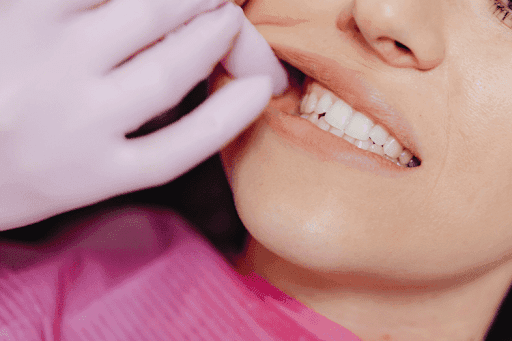
Crowns on Front Teeth: Everything You Need to Know
A beautiful smile can really improve your confidence. And when you laugh or grin, people will often notice your front teeth. If you have a decayed tooth or cracks in your front teeth, you might need a solution to help you feel confident again.
Crowns on front teeth can be the answer to restore function and aesthetics to your existing teeth because they provide long-lasting, natural-looking results. In this article, we’ll walk you through everything you need to know about front tooth crowns, including their types, the procedure, costs, and care.
Key Summary Points
- A front tooth crown is a tooth-shaped cap that covers a damaged or rotting tooth, restoring its function and appearance.
- Front tooth crowns are available in various materials, including porcelain, ceramic, zirconia, and composite resins.
- The crown procedure involves preparing the tooth, taking impressions, and placing a temporary crown while the custom crown is made.
- Crowns are durable and can last many years with proper care.
- Paramount Dentistry offers expert care, modern technology, and a compassionate team to help restore your smile with front tooth crowns.
What is a Front Tooth Crown?
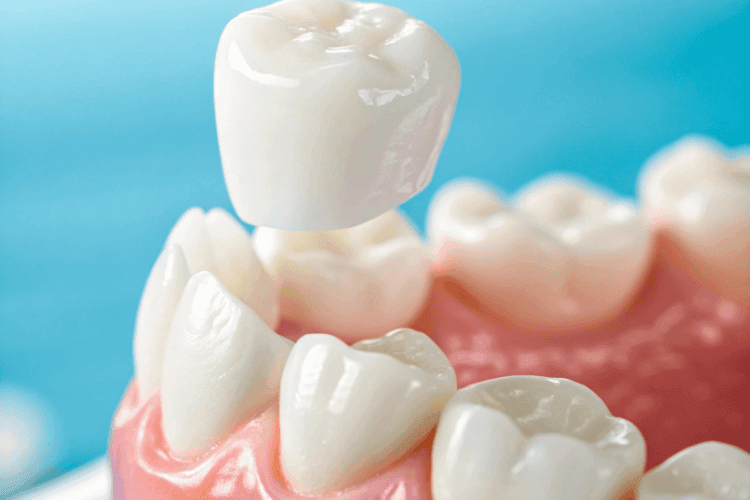
A front tooth crown is a dental restoration that experts use to cover a tooth that is severely damaged or compromised. It is a cap that restores functionality and also mimics the natural appearance of your original tooth.
Crowns are especially important for front teeth, which are easily visible and need to blend with your surrounding teeth. A new crown is custom-made to fit your tooth exactly, providing a natural, pleasing look. People need front tooth dental crowns for different reasons, including tooth decay and cosmetic purposes.
Who Needs a Crown on a Front Tooth?
Several factors may require you to get a crown on a front tooth. Some of the most common reasons include:
- Decayed Teeth: If a cavity or decay has weakened the tooth and your dentist cannot restore it with a filling, they may recommend a crown to protect the tooth from further damage.
- Cosmetic Concerns: If your tooth is chipped, stained, or deformed, you can get a crown to improve the appearance.
- Root Canal Treated Teeth: After a root canal, the tooth may become fragile and prone to breaking. Your surgeon may place a crown to help restore its strength.
- Severely Damaged Teeth: Teeth with deep cracks or fractures from trauma may require crowns to protect and restore them.
How Are Crowns on Front Teeth Different?
Front teeth crowns differ from those for back teeth mainly because of the importance of aesthetics. Because the front teeth are visible, the materials must offer a natural, realistic appearance. They must also match the adjacent teeth.
Besides looks, lab techs must also match the size and shape of the crown to the underlying tooth structure so that the gum line looks even.
Also, there is consideration for the function of the teeth. Front teeth bite and cut, while back teeth chew. Therefore, front teeth crowns must be strong enough to withstand everyday biting without being excessively thick.
Types of Front Teeth Crowns
There are several materials to choose from for front teeth crowns. The most popular options are:
All Porcelain Crowns
These are entirely porcelain, an aesthetic material that creates a natural-looking restoration. All porcelain crowns are ideal for front teeth because they mimic the color and texture of natural tooth enamel. Porcelain is a popular choice for people who want functionality and cosmetic appeal.
Key Benefits:
- Good Natural Appearance: They closely resemble the appearance of teeth, offering a smooth, translucent finish.
- Biocompatibility: According to an article published by Genesis Scientific Publications, these crowns are biocompatible, meaning they are not harmful or toxic to your gums. This reduces the risk of irritation to the surrounding tissues.
- Stain Resistance: They resist staining, helping them maintain a bright, white smile for years.
All-Ceramic Crowns
Dental lab technicians create these crowns from advanced ceramic materials, often including lithium disilicate or zirconium dioxide. These materials are strong and durable, making them ideal for front and back teeth, depending on the patient’s needs.
Key Benefits:
- Strength: They are strong, making them suitable for patients with moderate to heavy bite forces.
- Natural Appearance: Ceramic crowns mimic the natural tooth enamel, offering a visually pleasing solution.
- Longevity: These crowns are durable and can last for many years with quality dental care.
Zirconia Crowns
Zirconia is a durable material that dentists often use in the back teeth. But it is also a good choice for front teeth, especially when they need additional strength. Zirconia crowns withstand biting and chewing forces well.
Key Benefits:
- Durability: Making it resistant to chips and fractures.
- Biocompatibility: No irritation to the gums.
- Long-lasting results: Can withstand pressure and wear.
Composite Resin Crowns
These crowns are often more affordable than other options and can be a good choice for patients who want a budget-friendly solution.
You can get custom composite crowns that match the exact color of your teeth. However, a study on the wear behavior of different crowns found that they are less durable than zirconia crowns and may need replacing sooner.
Key Benefits:
- Affordable: Compared to other materials.
- Customizable: To match your natural tooth color.
- It can be used as a temporary solution while waiting for a permanent crown.
Porcelain-Fused-to-Metal (PFM) Crowns
PFM crowns rely on the strength of metal and the appearance of porcelain. The metal structure provides additional support, while the porcelain exterior mimics the real teeth. Porcelain-Fused-to-Metal crowns are durable, but they may not be as visually pleasing as other crowns, especially around the gumline, where you can see the metal.
Key Benefits:
- Strong and durable: Ideal for teeth that need additional support.
- Affordable: Compared to porcelain and ceramic crowns.
Why Choose Crowns on Front Teeth?
Choosing a front tooth crown offers benefits such as:
- Restored Function: Crowns restore the function of damaged or weakened teeth, allowing you to chew and speak comfortably.
- Aesthetic Appeal: Crowns improve your smile by covering imperfections such as cracks and stains.
- More Durable Restoration Option: A well-maintained crown can last 10 years or more, providing lasting dental health benefits and protecting your natural tooth structure.
Front Tooth Crown Procedure
The procedure for placing a front tooth crown involves the following basic steps:
- Consultation: Your dentist will evaluate the condition of your front tooth, discuss your options, and help you choose the best crown material.
- Tooth Preparation: The dentist will shape your tooth to accommodate the crown, removing any decay or damage.
- Impressions: Your dentist will take an impression of your tooth to create a custom dental crown that blends seamlessly. Some professionals use digital technology to get precise measurements.
- Temporary Crown: While you wait for the permanent crown, your dentist will place a temporary crown as a protective barrier.
- Placement of Permanent Crown: Once your crown is ready, your dentist carefully places it over the tooth and makes adjustments for a proper fit.
Potential Risks and Complications
While a dental crown is an aesthetically pleasing solution, it comes with some potential risks and complications, such as:
- Sensitivity: Some patients may experience tooth sensitivity after the crown is placed.
- Crown Damage: Although crowns are durable, they can still crack or become damaged under excessive force.
- Discomfort: In some cases, patients report discomfort or bite issues, but it’s often because the fit is not perfect. This is why you should go to an experienced dental practice.
Maintenance and Care for Crowns on Front Teeth
After you get your crown, it’s important to take care of it to keep your smile looking good. Here are some tips to follow:
- Brush and Floss Regularly: Keep your crown clean by maintaining good oral hygiene practices. Brushing and flossing are also good for your overall oral health.
- Avoid Hard Foods: Avoid biting hard foods, such as ice, to prevent damage to your crown.
- Avoid Non-Teeth Functions: Do not use your teeth for actions such as opening packages or biting fingernails, as this can damage the crown.
- Regular Dental Visits: Visit your dentist regularly to monitor the condition of your crown. Regular dental check-ups are also good for your overall oral health.
Average Cost of Front Tooth Crown
The cost of a front tooth crown varies depending on factors such as the material used and the dental practice you choose. Many dental practices agree that, on average, you can expect to pay between $800 and $3,000 per crown. However, your dental insurance coverage may cover part of the cost, especially if the crown is deemed medically necessary.
Front Teeth Crown Alternatives
If a crown isn’t the right choice for you, other options include:
- Veneers: These thin shells of porcelain or composite resin are bonded to the front of the teeth. Veneers are ideal for cosmetic concerns and are a less invasive treatment. However, they cannot restore weak teeth, as they are better suited to minimal tooth damage.
- Bonding: A tooth-colored resin is applied to repair chips or gaps in bonding. It provides a quick, affordable solution.
Paramount Dentistry: Experience in Crowns on Front Teeth
We specialize in creating custom crowns that match your natural tooth color and shape. Our compassionate team provides personalized care to make sure that you feel at ease during the entire process.
With same-day solutions and advanced technology, we offer durable, aesthetically pleasing results that you can trust. Our techniques are easy on the opposing teeth, and we will help you find the best solution for your smile.
With services such as orthodontics, pediatric dentistry, teeth whitening, and veneers, we are the ultimate solution for smiles in the whole family.
Frequently Asked Questions
What is the Difference Between a Front Tooth Crown and a Veneer?
A front tooth crown covers the entire tooth, while a veneer is a thin shell dentists apply to the front surface of the tooth to improve appearance.
Can Front Teeth Have Crowns?
Yes, front teeth can have crowns, especially if they are decayed or cracked.
Is it a Good Idea to Crown Front Teeth?
Crowning front teeth is a good option for restoring functionality and aesthetics. It is a natural, durable solution for damaged or decayed teeth.
How Long Do Crowns Last on Front Teeth?
With proper care, crowns can last between 10 and 15 years or longer. An article by Healthline confirms this timeline.
Conclusion
Crowns on front teeth are a good way to restore function and appearance. With the right materials and expert care, your front tooth crown can offer a good appearance and durability. Always consult with reputable dental health experts to make sure your results are beautiful and natural.
Reference List
- Ghabchi, Behrang, et al. Wear Behavior of CAD-CAM Zirconia, Ceramic, and 3D Printed Nano-Hybrid Resin Crowns for the Restoration of Primary and Permanent Molars: An in Vitro Study. (2025, 07/25) Science Direct, The Journal of Prosthetic Dentistry.
- Lindberg, Sara. How Long Does a Crown Last? Average Lifespan of a Dental Crown. (2021, 19/02/21) Healthline, Healthline Media.
- Perrone, Marielaina. Comprehensive Overview of the Benefits of All Porcelain Crowns. (2024, 10/08/24) Genesis Publications, Genesis Scientific Publications.