
Seniors who have lost most or all of their teeth can benefit from full mouth dental implants. They offer a cosmetic transformation and a chance to enjoy food and speak clearly.
At Paramount Dental, we understand that many older adults worry they may be too old or have too many health issues to qualify for implants. But age alone is not a disqualifier. With modern advancements, elderly dental implants are more accessible and successful.
Seniors can get full mouth dental implants to replace all missing teeth in the upper and/or lower jaws. In this blog, we’ll discuss what you need to qualify, what the treatment involves, the benefits, and where to get the best services.
What Are Full Mouth Dental Implants?
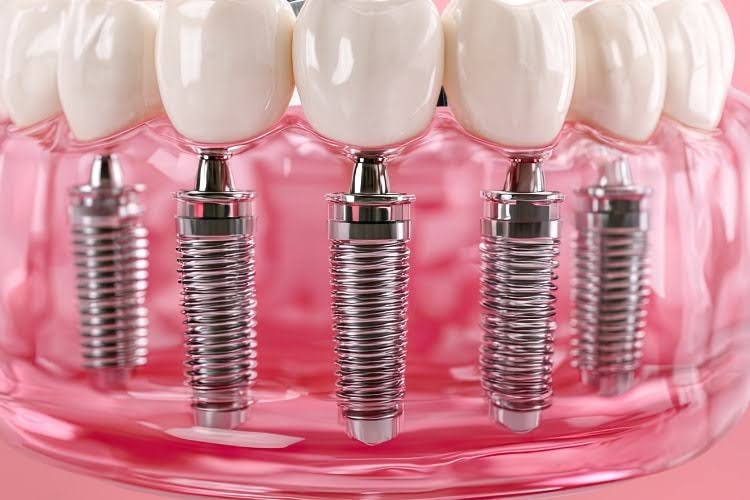
Full mouth dental implants are a solution for people who have lost all or most of their teeth. This treatment replaces entire arches of missing teeth using a limited number of implants strategically placed in the jawbone. For example, All-on-4 dental implants use 4 posts to support multiple teeth.
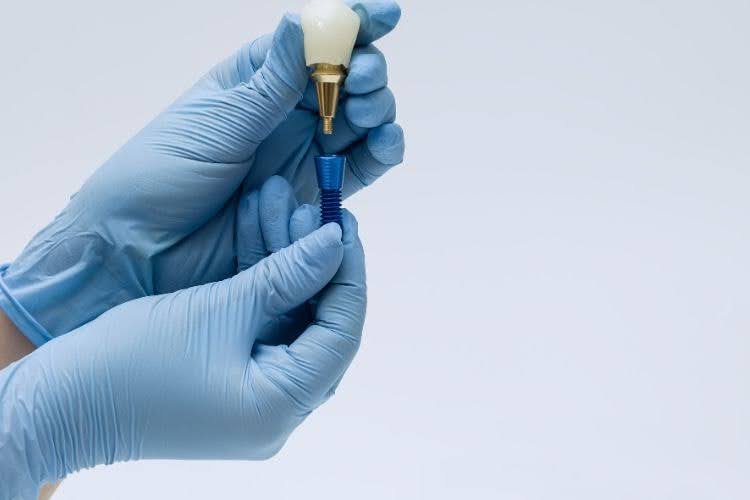
The restorative dentistry procedures involve placing small titanium posts into the jawbone. These posts act as artificial tooth roots and the foundation for replacement teeth. After healing, an oral surgeon places abutments on the implants and a full arch prosthetic to restore function and aesthetics.
Techniques like all-on-4 are minimally invasive and often eliminate the need for individual implants for each missing tooth.
Unlike dentures, which rest on the gums, require adhesives, and can shift or cause discomfort, full mouth dental implants are a permanent solution that feel more like natural teeth.
Are Dental Implants Safe for Seniors?
The idea that elderly patients can’t get dental implants may come from concerns about health. And it’s true that eligibility for tooth replacement with full-mouth implants often depends on several health-related factors. However, age alone is not one of them.
There is no upper age limit for getting full mouth implants. According to a study on dental implants in the elderly population, many seniors 60 and older have successfully undergone implant procedures. The implant success rate is at a high 92.9% across these age groups, with proper care and preparation.
The aging process may introduce some issues, but they are manageable. What matters more is the individual’s overall health and readiness for surgery.
Candidacy Factors for Full-Mouth Dental Implants
- Overall Health: Candidates should be in reasonably good health. Aging adults with chronic conditions like diabetes or heart disease should have good management of the disease.
- Bone Density: Many patients need sufficient bone for implant placement. In cases of bone loss, you may need a bone graft.
- Smoking & Medications: Smoking can cause slower healing and affect implant success. Therefore, candidates must be non-smokers or willing to quit. Also, some medications, especially those affecting bone metabolism, may require special consideration.
- Gum Health: Healthy gums are important for the stability of mouth implants and proper healing. Therefore, if you have gum disease, you may need to treat it first.
At Paramount Dental, we evaluate each patient’s medical history and oral and general health to create a treatment plan that works. Also, our modern techniques make implants a safe and healthy option for seniors.
Benefits of Full Mouth Dental Implants for Seniors
Dental implants for seniors offer life-enhancing benefits, including:
- Better Chewing, Nutrition & Confidence: Unlike traditional dentures, full mouth dental implants restore strong chewing ability, allowing seniors to enjoy a varied, nutritious diet. The new teeth support overall health and prevent dietary restrictions. Also, they improve self-esteem and help seniors feel confident.
- Bone Health, Facial Structure & Comfort: Missing teeth can lead to bone loss, affecting facial structure and causing a sunken appearance. Dental implants preserve bone density and maintain natural shapes, improving function and appearance.
- Ease of Care: With proper care, including brushing and flossing like natural teeth, implants can last a lifetime. They don’t require removal or frequent adjustments like ill-fitting dentures often do.
Risks & Special Considerations for Seniors
Full mouth dental implants are safe, but some seniors may face additional considerations. They include:
Bone Density & Augmentation
If a patient has bone loss, they may need bone grafting to provide sufficient bone for implant stability. Also, mini implants are a type of dental implant for those with less bone volume. All-on-4 dental implants are one of the best options for people who don’t have enough bone for traditional implants. It’s a graftless approach that maximizes on existing bone.
Healing & Overall Health
Healing is one of the most common concerns because it can be slower in older adults. That’s why it’s important to follow post-operative care closely and attend follow-up visits.
Managing Chronic Conditions
Conditions like diabetes or cardiovascular disease don’t automatically disqualify someone. However, patients must control these issues to reduce the risk of complications during the implant process.
Dental Implant Process for Seniors
The dental implant procedure for seniors is similar to that of any other patient. It includes the following steps:
- Initial Evaluation & Imaging: Your dentist will start with a comprehensive consultation, reviewing your medical history and taking 3D images (CBCT scans or X-rays) to examine bone density and plan implant options and placement.
- Placement: A surgeon may complete the procedure in a single stage or multiple stages, depending on the implants. For example, all-on-4 implants often allow for same-day teeth. During the surgery, the dentist places the implant into the jawbone. They will use local anesthesia, but practices such as Paramount Dental offer general anesthesia and sedation options as well.
- Healing: In some cases, healing must take place for several months before your dentist places the final prosthetics. During this stage, your implants fuse to the bone through a process called osseointegration. This healing period is usually three to six months.
- Aftercare & Recovery: After implant surgery, good oral hygiene and follow-up appointments are necessary. Recovery can vary, but most people have manageable discomfort and enjoy an enhanced quality of life.
Cost & Insurance Considerations for Seniors
Full mouth dental implants are more expensive than some solutions, but they are an investment. Dentures are a cost-effective way to get a set of full teeth, but they do not offer the same permanent foundation as implants.
The cost of full-mouth dental implants includes posts, prosthetics, imaging, and dental implant surgery. There are also other price considerations for diagnostics, bone grafting surgery, tooth extraction, sedation/anesthesia, and follow-up appointments. Prices vary based on expertise, complexity, and materials.
However, the starting point for full traditional implants is $28,000 – $45,000 per arch. All-on-4 dental implants have a starting price of $22,000 – $34,000 per arch. At Paramount Dental, our starting price is an affordable $14,995 per arch for all-on4.
Some insurance plans now offer limited dental benefits. Depending on the policy, coverage may range from 40% to 50% of the cost, or be limited to a number of implants or procedures covered over a lifetime. Also, some Medicare Advantage plans may partially cover dental implants.
While dentures may seem cheaper upfront, full-mouth implants offer long-term success and require fewer adjustments, offering greater value over time.
Alternatives to Full Mouth Implants
Not all seniors will choose full mouth dental implants just yet. If that’s the case, some alternatives include:
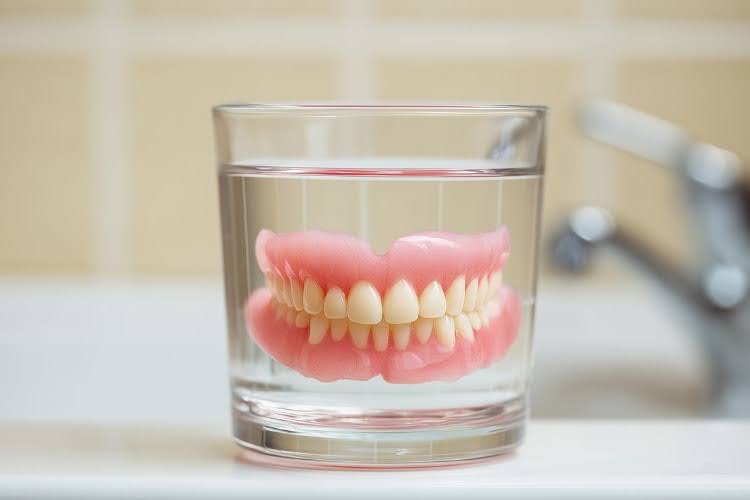
- Traditional Dentures: Removable and more affordable, but often less comfortable, and can lead to bone loss.
- Implant-Supported Dentures: Combine the stability of implants with the affordability of dentures. Fewer implants are used to anchor the denture.
- Hybrid Approaches: Custom treatment plans may include a mix of implant-supported bridges and traditional methods, depending on your needs.
Choose Paramount Dental for Dental Implants
We specialize in providing compassionate, expert care for older adults considering dental implants. Our team understands the unique concerns that come with aging and dental treatment. Our experience with dental implants for seniors ensures safe, effective outcomes.
We use advanced imaging and treatment planning tools to design a solution for every patient. We also offer multiple sedation options, oral surgery for tooth extraction, bone grafting, and regular consultation.
With flexible financing, you will get affordable dental implants in a day. With our welcoming environment and a proven track record in implant procedures, Paramount Dental is the trusted choice for elderly dental implants in Roseville, Placerville, and Yuba City.
FAQs
Should a 70-Year-Old Get a Dental Implant?
Yes. Many 70-year-olds are good candidates for dental implants. If you’re in good health, age is not a barrier.
What Are the Disadvantages of Full Mouth Implants?
Cost and the need for surgery are the main issues. However, these are just part of the process of getting a long-lasting solution.
What is the Maximum Age for Dental Implants?
There is no maximum age. Suitability depends on health, bone density, and individual needs.
Who Cannot Get a Dental Implant?
People with uncontrolled chronic conditions, severe bone loss without grafting options, or poor oral health may not be ideal candidates.
Conclusion
Full-mouth dental implants offer older adults a reliable, long-lasting solution for tooth loss. With proper care and medical examination, even elderly patients can enjoy the benefits of restored function and oral health. If you’re ready to rediscover the comfort and confidence of a full smile, contact Paramount Dental today to schedule your personalized consultation for full mouth dental implants.
Reference List
- Compton, Sharon M, et al. Dental Implants in the Elderly Population: A Long-Term Follow-Up.” (2017) The International Journal of Oral & Maxillofacial Implants, U.S. National Library of Medicine.