
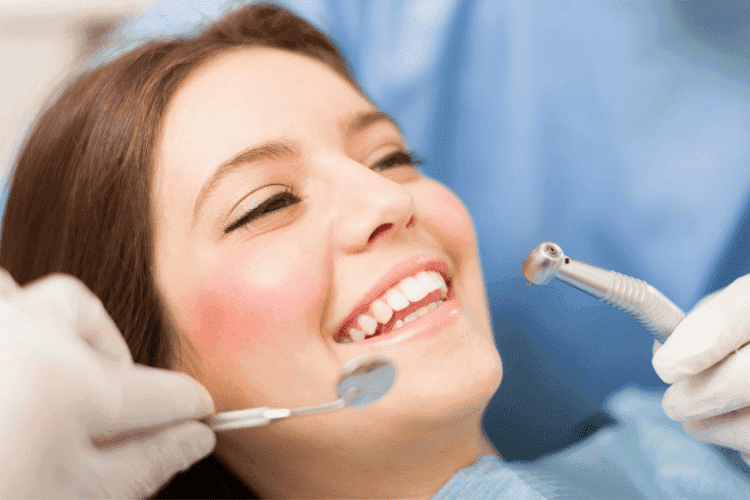
If you’re wondering, can I eat now, or should I wait? after a dental cleaning, this guide will answer your questions. It will help you understand when to eat, what foods to choose, and how to care for your mouth after a cleaning.
We’ll also go over what to avoid so your freshly cleaned teeth stay comfortable, and your smile stays protected. With helpful advice from dental professionals and tips you can trust, you’ll feel confident about your post-cleaning choices.
Key Takeaways
- Most patients can eat shortly after a dental cleaning; the timing depends on whether your dentist applied fluoride.
- Fluoride treatments require a 30-minute wait before eating or drinking.
- If you’ve had a deep, professional teeth cleaning, you may need to wait for one to two hours and follow a soft-food diet for the day.
- Soft, gentle foods such as mashed potatoes, yogurt, and soup are best post-cleaning.
- Avoid crunchy, sticky, spicy, acidic, or heavily pigmented foods for a few hours.
- Drinking water and chewing slowly can help protect sensitive gums.
- Contact your dentist if discomfort lasts longer than two days or worsens.
Paramount Dental offers same-day advice, free second opinions, and expert care if you need support after your cleaning. Our dental offices in Roseville, Yuba City, Sacramento, and Placerville.
Types of Professional Teeth Cleaning: What’s the Difference?
Regular professional cleanings maintain your overall oral health and well-being. Your dental practitioner will remove plaque buildup from your teeth, polish them, and perform some X-rays. Having preventive dentistry every six months may help you avoid emergencies and costly restoration procedures.
Before deciding when and what to eat, it helps to know which dental cleaning you had. The type of cleaning you receive directly affects how your teeth and gums feel afterward.
Regular Dental Cleaning
- Involves plaque and tartar removal, tooth polishing for surface stains, and a quick check-in on gum health.
- This is the standard cleaning most people receive during routine checkups every six months to protect their oral health.
If your dentist didn’t apply fluoride treatment after you had your teeth cleaned, you can usually eat straight afterward.
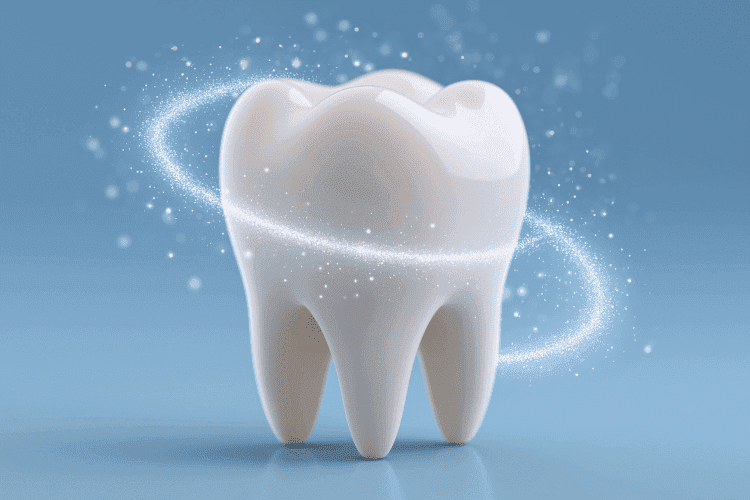
Cleaning With Fluoride Treatment
- Fluoride is a powerful mineral that helps protect your teeth from cavities and enamel erosion.
- It strengthens your tooth enamel, which acts as a shield against acid from food and bacteria, helping protect you against tooth decay.
- After application, it’s best to wait at least 30 minutes before eating or drinking so the fluoride can do its job. Eating too soon may wash the fluoride away before it fully absorbs.
Deep Cleaning (Scaling and Root Planing)
- This type of professional cleaning goes beneath the gumline to remove hardened plaque buildup (calculus) and bacteria.
- Dentists recommend it for patients with early signs of gum disease or deep pockets between their teeth and gums.
- You may feel more sensitivity and some minor gum irritation. It’s best to wait 1–2 hours before eating. Choose soft, non-irritating foods for the rest of the day, especially if you have sensitive teeth.
- Avoid chewing directly on the treated areas to prevent further irritation.
We offer sedation dentistry so our patients can take care of their dental health without anxiety. If you are having a deep teeth cleaning or have concerns about your preventive or cosmetic dentistry treatment, please speak to us about your sedation options.
What to Eat After a Dental Cleaning
Once you’re clear to eat, some foods are more soothing and supportive of oral healing than others. Start with soft, easy-to-chew foods, especially if your gums are sore.
Soft Foods to Start With:
- Mashed potatoes: Warm and soft, with no chewing required. You can also mix in soft-cooked carrots or squash for added nutrition.
- Yogurt and cheese: Cool, protein-rich, and low-acid. Greek yogurt can also help promote good bacteria in the mouth.
- Scrambled eggs: Gentle on the gums and easy to digest. They’re rich in protein and easy to season lightly.
- Smoothies (without citrus): Full of nutrients and easy to drink. Just skip citrus and don’t use a straw. Straws can create suction that may irritate healing gums.
- Soups: Mild and nourishing, just make sure they’re not too hot. Try blended vegetable or chicken soup with soft noodles.
Best Foods That Support Oral Health:
- Steamed vegetables: They are easy to chew and packed with vitamins such as vitamin C, which supports gum health.
- Lean proteins: Such as fish or chicken, cooked until soft and moist. These proteins aid in healing and are easy on your teeth.
- Soft fruits: Such as bananas, ripe peaches, or cooked apples. They provide natural sugars and fiber without being harsh on your enamel.
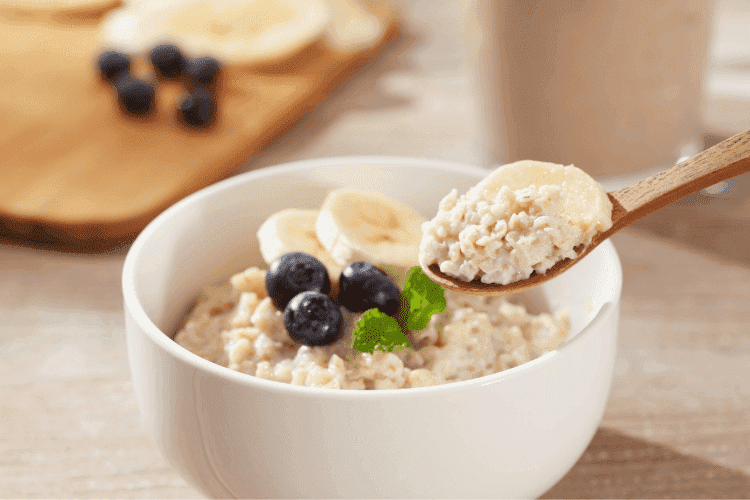
- Oatmeal or soft cereals: Warm, filling, and gentle on the gums; just avoid sugary toppings.
These foods feel good to eat after a professional cleaning. They also help support your long-term oral health when you add them to your regular diet.
Foods to Avoid Right After a Cleaning
Your teeth and gums may be more sensitive right after a cleaning. Eating certain foods too soon can lead to irritation, discomfort, or even stain teeth if they’ve been polished. Being mindful of your choices can help extend the benefits of your cleaning.
Avoid Foods Such As These After You’ve Had Your Teeth Cleaned:
- Crunchy snacks: Chips, popcorn, and raw vegetables such as carrots can poke at sore gums or get stuck between teeth.
- Sticky foods: Caramel, dried fruits, or taffy can pull at dental work or tug on sore gums. Chewy foods such as beef jerky can also get stuck between your teeth and cause discomfort.
- Acidic foods: Citrus fruits, tomatoes, and vinegar-based dressings can sting sensitive areas and weaken enamel. Sugary foods are also highly acidic, so avoid them.
- Avoid highly pigmented foods and sauces: Soy sauce, tomato sauce, coffee, and red wine can stain clean enamel more easily right after a polish.
- Hot or cold foods: If you have sensitive teeth, extreme temperatures might feel uncomfortable or even painful.
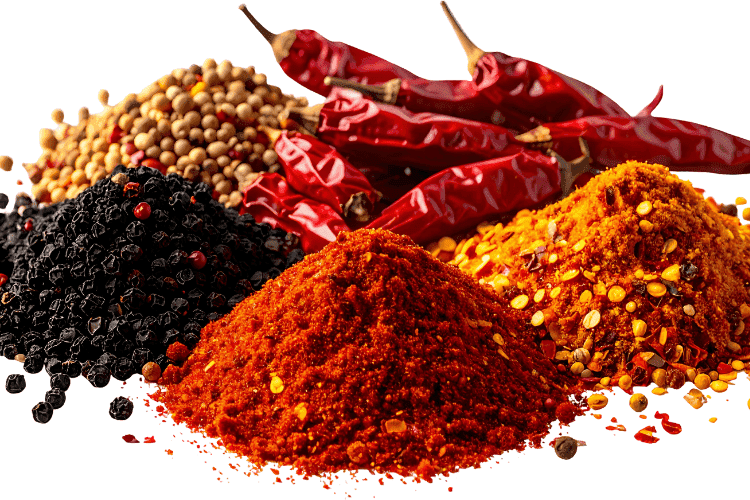
- Spicy foods: Buffalo wings or hot sauce can irritate tender gums or cause a burning sensation.
Try to avoid eating these foods for at least a few hours after your appointment or until the healing process is complete and your mouth feels completely back to normal.
Tips for Eating Comfortably
Eating after a professional teeth cleaning doesn’t have to be complicated. Here are a few practical tips to stay comfortable and protect your dental work:
- Chew on the opposite side if you had work done on one area. This helps avoid putting pressure on sensitive spots.
- Take small bites and chew slowly to prevent irritation and give your gums time to adjust.
- Stay hydrated by drinking water throughout the day. Water helps wash away food particles, keeps your mouth moist, and supports healing.
- Wait to brush if your gums feel sensitive, try rinsing gently with lukewarm water or an alcohol-free mouthwash as part of your dental care.
- Stick to your normal routine the next day, including gentle brushing and flossing unless your dentist says otherwise.
If your cleaning included fluoride or you had a deeper treatment, your dentist may give you specific post-cleaning care advice. Follow the instructions from your dentist’s office carefully to avoid complications.
FAQs About Oral Health After Professional Teeth Cleaning
When can I eat after a deep dental cleaning?
If you didn’t get a fluoride treatment, you can eat right away. If your dentist used fluoride, wait at least 30 minutes to protect your enamel.
Can I eat if I had a deep cleaning?
Wait 1–2 hours, then choose soft, mild foods. Your gums may feel slightly irritated, so avoid anything that requires heavy chewing. Remember to follow your dentist’s instructions for at-home care.
Are cold foods okay after I’ve had my teeth cleaned?
Yes, but avoid them if your teeth feel sensitive. Lukewarm foods may feel more comfortable until sensitivity improves.
Why are some foods bad right after cleaning?
They can irritate sensitive gums, stain enamel, or increase discomfort while you heal. Some foods may also interfere with fluoride treatments or scratch freshly polished enamel.
Can I drink coffee?
It’s best to wait a few hours, especially if your dentist polished your teeth. Dark beverages such as tea and coffee can stain enamel while it’s still porous.
What about spicy or crunchy foods?
Wait at least a few hours or until your mouth feels normal again. These foods can be tough on tender areas.
Should I brush my teeth after eating?
Yes, but if your gums are tender, wait a bit or just rinse gently with water. Resume brushing later in the day with a soft-bristled toothbrush.
Conclusion
Post-cleaning care doesn’t have to be complicated. By understanding your treatment and making a few smart food choices, you can stay comfortable and protect your smile.
If you’re ever unsure, your dental team is here to help. Reach out for personalized advice, follow-up questions, or to learn more about next steps in your care. We’re always happy to support your healthiest smile. Contact us for a convenient appointment: (916) 898-0003.