
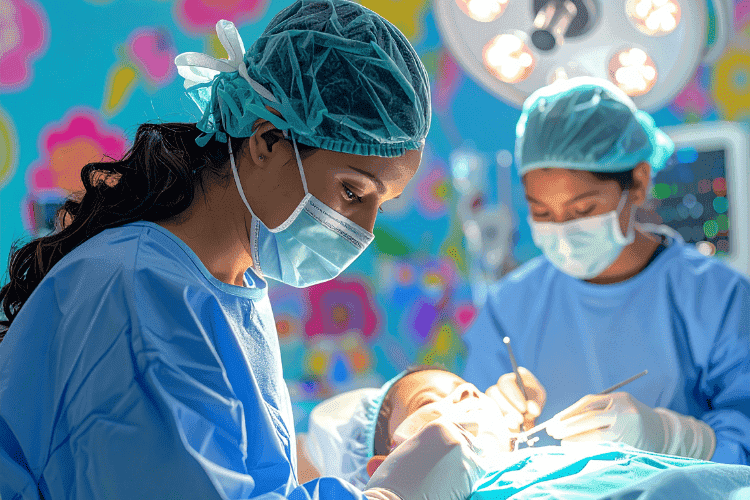
After oral surgery, even simple actions like eating can be uncomfortable. Choosing the best soft foods and making the right food choices helps you recover smoothly.
Eating soft foods after dental surgery helps reduce irritation on the open wound. It also prevents biting on the treated tooth. It protects sensitive areas and may reduce pain or complications.
If you’ve recently had a tooth extraction, dental implant surgery, or another dental procedure, here’s how to navigate your post-op meals with ease and confidence.
Key Takeaways
- Stick to soft foods that are easy to chew and won’t irritate your mouth after dental surgery.
- Eat soft, nutritious food such as scrambled eggs, Greek yogurt, and mashed potatoes as you recover.
- Avoid hard, crunchy, sticky, or spicy foods, such as nuts or acidic foods, as they can delay healing or dislodge the blood clot.
- Hydration is just as important as food. Drink plenty of water and skip alcohol or hot drinks early on.
- For dental implant surgery, stay on a soft food diet for at least a week and follow your dentist’s recommendations.
- Gradually return to your regular diet as your recovery allows, and your dentist confirms it’s safe.
Why Soft Foods Help After Dental Surgery
Dentists suggest eating soft foods after dental surgery because they make eating easier and protect the surgical site. It helps avoid irritation to open wounds and protects healing tissue.
They also help you maintain oral health without straining your mouth. After surgery, your gums and surrounding tissue need time to heal. Avoiding pressure or scraping helps keep the area safe, especially while the blood clot forms and stays in place.
You should follow this protocol after any kind of mouth surgery, including a tooth extraction, dental implants, bone grafting, and jaw surgery.
Foods that are easy to chew and swallow:
- Keep inflammation down
- Don’t dislodge blood clots (a painful condition known as dry socket)
- Prevent stitches or implants from shifting
We give our patients post-surgical care guidelines that explain what to eat after dental surgery. We also offer sedation dentistry for tooth extractions and emergency dentistry services for your convenience.
Smart Food Choices After Dental Surgery
Here are some of the best soft foods to eat that are gentle, satisfying, and full of nutrients to help your body heal.
How can you identify soft foods to eat if they’re not on this list? If you can cut the food easily with a plastic fork, it’s likely safe to eat post-surgery.
Mashed Potatoes
Comforting and filling, mashed potatoes are easy to eat and swallow. They are rich in carbohydrates and can be flavored in different ways. You can adjust the texture to be extra smooth and add small amounts of butter, milk, or cream for enhanced creaminess and flavor. Just make sure they’re warm (not hot) to avoid irritating the surgical area.
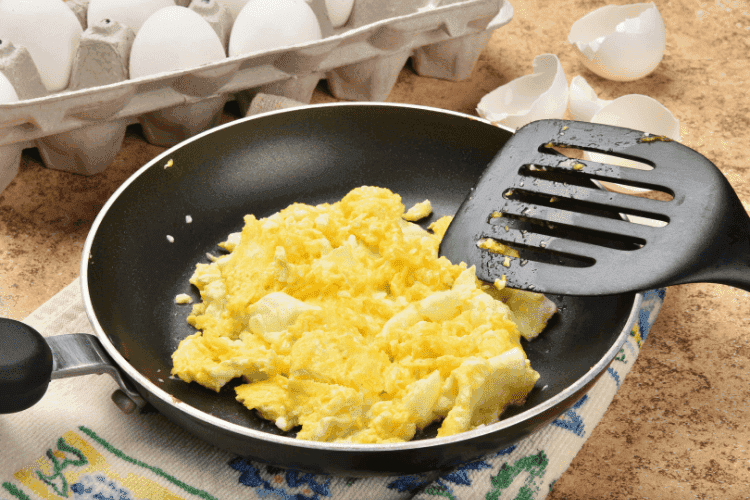
Scrambled Eggs
Soft and fluffy, scrambled eggs offer a quick and nourishing meal that’s gentle on your mouth. They’re one of the easiest ways to get protein when chewing feels uncomfortable.
Soups (Butternut Squash, Broths)
Smooth soups with vegetables, such as butternut squash, or broth-based recipes are great in the first few days. They provide hydration, vitamins, and warmth without much chewing.
Soft Fruit and Bread
Bananas, ripe avocados, and soft bread (crust-free) offer healthy calories and nutrients. These soft foods are naturally tender, require minimal chewing, and are easy to digest.
Greek Yogurt and Cottage Cheese
Greek yogurt and cottage cheese are both excellent sources of protein that don’t stress your gums. Their smooth texture makes them easy to eat after dental surgery. You can also mix them with soft fruits for more variety.
Smoothies with Protein Powder
Blended smoothies are perfect for getting fruits, vegetables, and protein in one drink. They are a convenient choice when you don’t want solid meals. Don’t add seeds to your smoothies. They can irritate the extraction site or cause problems by getting stuck in sensitive areas.
Blended smoothies made with yogurt, milk, and protein powder can support the healing process. Add fruits such as mango or peach for extra flavor, and sip slowly without using a straw. Jell-O can be a cheerful and gentle addition, too.
If you’re looking for information about a wisdom tooth extraction, we’ve created the ultimate guide: What to Eat After Wisdom Teeth Removal.
Foods to Avoid While Healing
Not all foods are safe right after oral procedures. Certain foods, such as spicy foods, can interact negatively with healing tissue and should be avoided while you recover. Some can cause pain or damage to the area.
Avoid:
- Hard or crunchy foods such as chips, nuts, or raw vegetables, as they can scrape healing gums
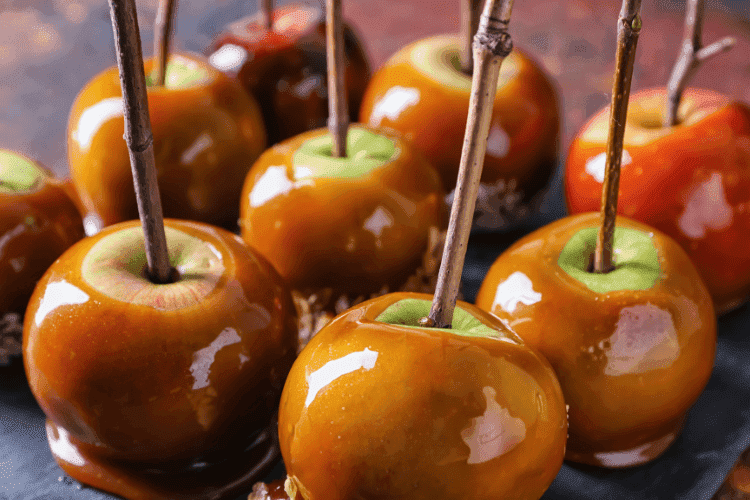
- Sticky foods (e.g., caramel, dried fruit, seeds), as these cling to teeth and may disturb dental work
- Spicy and acidic foods, such as salsa or orange juice, as they can cause stinging and inflammation
- Chewy foods, such as tough meats or dense breads; they demand more effort and risk reopening wounds
- Foods that are too hot or too cold can irritate the surgical site and delay healing
Eating the wrong foods can cause painful issues such as dry socket. It’s important to avoid anything that could irritate the wound area.
Tips for a Smooth Recovery Diet
Good nutrition supports your entire body, not just your oral health. Making thoughtful dietary choices is essential to support the recovery process after oral surgery. Here’s how to keep things simple and healing-friendly:
- Focus on soft vegetables such as well-cooked carrots, squash, or peas
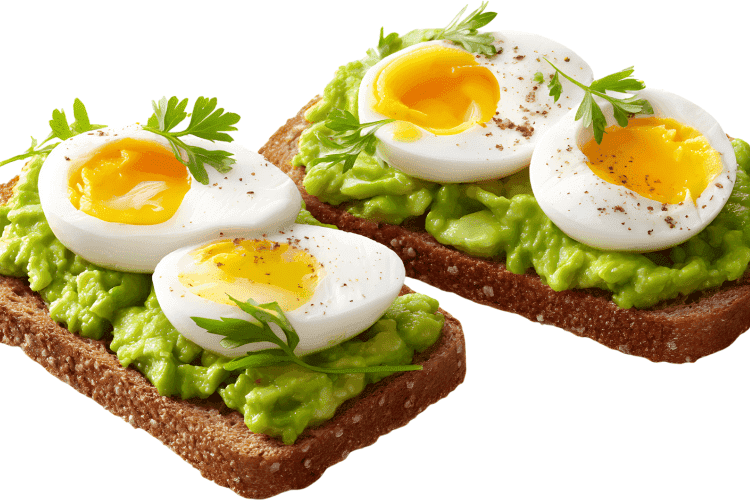
- Add healthy fats from avocado or yogurt for extra calories
- Include oatmeal and cream of wheat for comforting, filling, and nutritious choices
- Drink water frequently, as staying hydrated helps the healing process
- Skip alcohol and hot beverages that can irritate your mouth
Plan before your dental surgery so you have soft foods ready to go at home. Having safe, easy foods on hand removes the stress of cooking or shopping while you’re resting.
Transitioning Back to Regular Foods
Once your dentist gives you the green light, you can slowly return to your regular diet. Start by adding foods that need more chewing. Begin with softer foods and gradually move to crunchy foods or meat.
Keep avoiding foods that might irritate the surgical area during this time. Rushing this step can cause setbacks, so be patient and listen to your body.
Conclusion
Recovering after oral surgery is easier when you’re surrounded by care you can trust. At Paramount Dental, we go out of our way to make sure patients feel supported every step of the way. Our team is always here to help, including with sedation options that make procedures more comfortable and follow-up guidance after your procedure.
Eating after oral surgery doesn’t have to be boring. With the right soft food choices, you’ll feel nourished, comfortable, and more at ease during your recovery. And when you’re ready to smile again, Paramount Dental will be here with expert support every step of the way. Contact us for a convenient appointment: (916) 898-0003.