
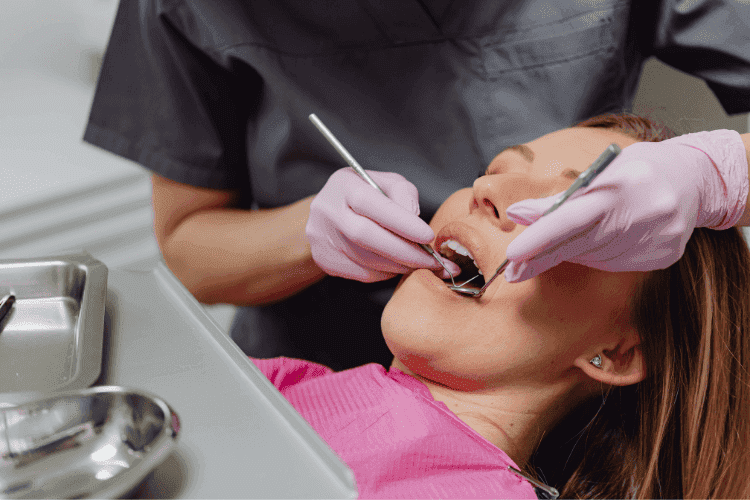
Dental cleanings are one of the easiest ways to protect your smile. These routine visits help prevent gum disease, cavities, and costly dental procedures down the road. But how long does a dental cleaning take?
This article explains how professional teeth cleaning can help your oral health. It also describes the difference between routine and deep teeth cleaning.
Key Takeaways
- On average, a dental cleaning usually takes 30 to 60 minutes.
- Dentists recommend routine dental cleanings every six months.
- The process includes an exam, scaling, polishing, and sometimes X-rays.
- Deep teeth cleaning may take longer and require multiple visits.
We offer four convenient locations for preventive dentistry, including dental cleanings. Visit us in Roseville, Placerville, Sacramento, or Yuba City to keep your dental hygiene in check.
What Happens During a Dental Cleaning?
Most teeth cleanings follow a similar process:
1. Initial Exam
The dental hygienist begins by using a small mirror to examine your teeth and gum tissue. This quick check helps identify signs of gingivitis, gum disease, or cavities.
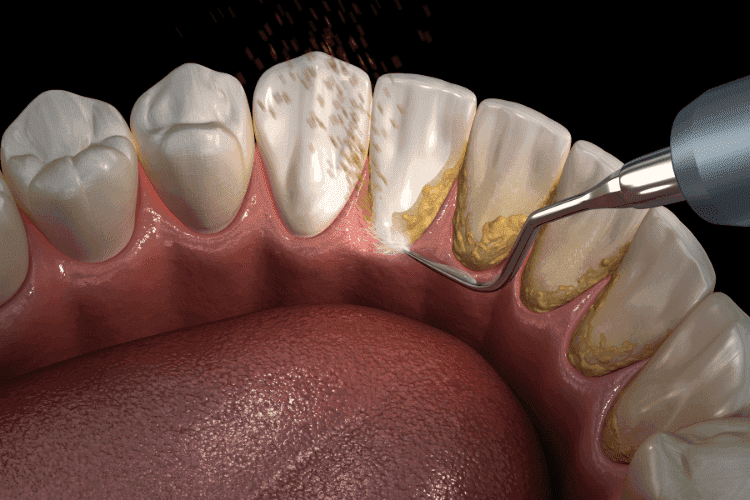
2. Plaque and Tartar Removal
The hygienist will use a scaler and sometimes an ultrasonic tool. They will carefully remove plaque and tartar (hardened plaque) from your gum line and between your teeth.
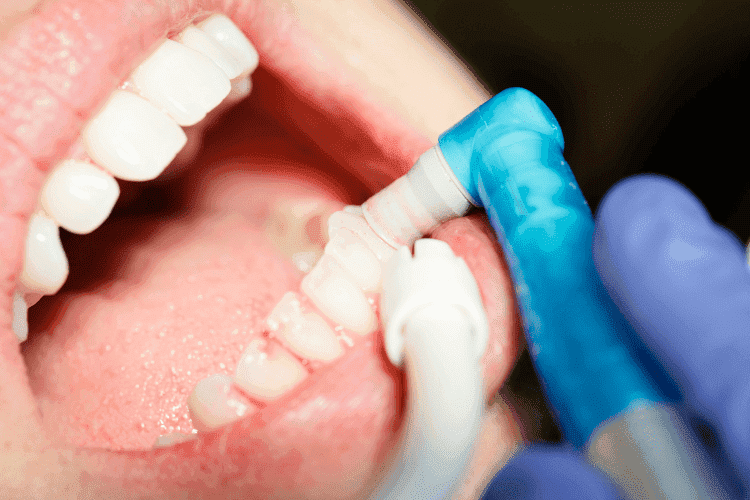
3. Polishing
After scaling, the hygienist will polish your teeth using a high-powered brush and gritty toothpaste. This step removes surface stains and smooths the enamel.
Ready to protect your smile? Our approach to preventive dentistry ensures we pick up minor issues early. Contact us and book your dental cleaning today.

4. Flossing and Rinse
The dental hygienist flosses your teeth to remove any debris, then rinses your mouth to clear out remaining particles.
5. Fluoride Treatment (Optional)
The hygienist may apply a fluoride treatment to strengthen your enamel and lower your risk of cavities. This is especially helpful for patients at higher risk of tooth decay.
6. Final Exam
The dentist performs a quick check-up, especially if the hygienist spotted any issues. If necessary, they take X-rays to monitor bone loss or detect hidden decay.
How Long Does It Take?
For most patients, a professional teeth cleaning takes between 30 and 60 minutes. The exact time depends on factors such as:
- How long since your last cleaning
- The amount of tartar buildup
- Whether you need X-rays
- If you’re getting a fluoride treatment
Types of Dental Cleanings
Routine Dental Cleanings
This is a standard professional cleaning done by your dentist or hygienist to remove plaque. It helps prevent plaque buildup, gingivitis, and developing gum disease.
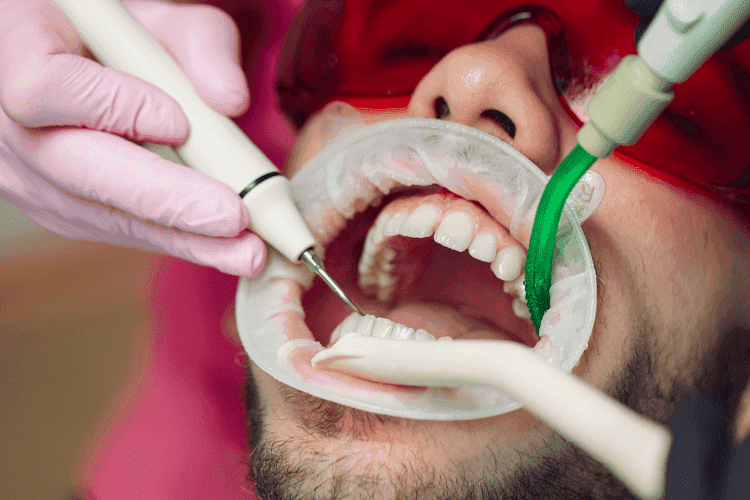
Deep Teeth Cleaning
When plaque and tartar build up beneath the gum line, your dentist recommends a deep cleaning (also called scaling and root planing). This type of cleaning treats oral health issues such as active gum disease and removes bacteria from deep pockets around the teeth.
Your dentist may numb the area during a deep cleaning to make the procedure more comfortable. A deep cleaning may take one to two hours and can require two or more appointments. If you have dental anxiety or are concerned about a longer appointment, we offer sedation options to keep you comfortable.
Why Do You Need Professional Teeth Cleaning?
Your mouth is full of bacteria. Brushing and flossing help to maintain oral health by keeping the bacteria under control. The bacteria form a biofilm that coats your teeth, gums, and soft tissue. When your toothbrush doesn’t remove it all, it forms a plaque buildup. When plaque accumulates, it hardens and forms tartar or calculus. Only a dental professional can remove calculus.
Why Are Dental Cleanings Worth It?
Brushing and flossing are your best defense against decay, but your dentist has special tools that can reach places your toothbrush can’t. In fact, 35-40% of your tooth surface is inaccessible. Your dentist also has a better view of what’s happening with your teeth and gums at the back of your mouth.
Routine cleanings do more than clean your teeth. They can prevent serious dental problems before they start. Here’s what they can help with:
- Checking the health of your gum tissue
- Detecting early signs of dental caries (decay) or oral cancer
- Avoiding bad breath caused by tartar
- Saving money by avoiding extensive treatments later
Dental cleanings are well worth your time and investment, especially since dental insurance often covers them. They are more affordable than restoration and cosmetic dentistry later on.
Don’t Forget Fluoride
Fluoride treatment strengthens enamel and helps prevent decay, making it a valuable part of your dental cleaning. It can be applied as a varnish or gel and is safe for both teens and adults.
Before Your Appointment
A little preparation goes a long way:
- Brush and floss your teeth before your visit
- Share any dental concerns or symptoms, such as bleeding gums or bad breath
- Stick to your scheduled cleanings every six months
Schedule Your Next Cleaning
Keeping a regular schedule with your dental professional can prevent future oral health issues. Book your next appointment before you leave. Many practices now have online booking and reminders. This makes it easier to keep track of your care and get your teeth cleaned regularly.
Final Thoughts
So, how long is a dental cleaning? Typically, no more than an hour if you go every six months. If it’s a deep teeth cleaning, two hours. That hour or two can save you time, money, and discomfort in the long run. Routine dental cleanings are an easy way to maintain good oral health and catch issues early.
Make your next professional teeth cleaning a priority. You only get one set of adult teeth. Make them last a lifetime.