

Dental implants offer a permanent way to replace missing teeth, giving patients access to safe and natural-looking results. But their rise in popularity raises a very valid question: Are dental implants safe? If you’re thinking about tooth replacement options, you deserve clear, compassionate information from a team that puts your comfort and safety first.
Every patient deserves trusted care, modern technology, and a personalized plan that feels right for them. This post explains the dental implant journey to help you understand the benefits and safety risks.
Key Takeaways
- Dental implants are a safe and effective solution for tooth loss when skilled dental professionals perform them.
- Complications such as implant failure are rare when you receive expert care and practice good dental hygiene.
- Your dentist will check your bone density and overall health to see if dental implants are right for you.
- This medical procedure is performed as an outpatient surgery.
- Paramount Dentistry uses modern technology and personalized treatment plans for optimal safety.
Our skilled team performs dental implant surgeries at three convenient locations in California. Contact us for dental implants in Yuba City and skilled cosmetic dentistry for a realistic and natural-feeling dental crown. Dr. Cheema and his team also offer dental implants in Placerville for your convenience.
Are Dental Implants Safe?
Yes. Trained dental professionals using modern treatment protocols make dental implants one of the safest and most successful procedures in restoration dentistry. According to the American Academy of Implant Dentistry, dental implants have a success rate of up to 98% in healthy patients.
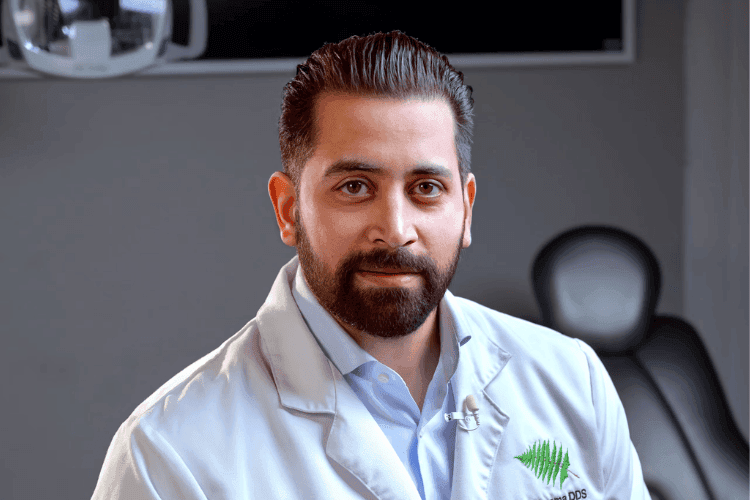
Dr. Barinder Cheema, an experienced dentist and owner of Paramount Dentistry, will assess your oral and medical health to minimize risk and ensure you’re a suitable candidate. He uses advanced imaging tools to map the implant site to avoid complications.
According to Dr. Cheema, “Complications are rare but can happen, especially if implants are placed incorrectly or if patients don’t follow post-op instructions. However, with careful planning, expert surgical skill, and diligent aftercare, most patients enjoy a smooth recovery with minimal risk of complications. The fact that most dental implants can last for decades is a clear sign of their reliability.”
Manufacturers use biocompatible materials such as titanium to make dental implants, a material widely used in other surgical procedures, including hip and knee replacements.
Regulatory bodies oversee dental implant systems to ensure their safety. These regulations require components (such as the implant body, abutment, and fixation screw) to meet international safety standards. To meet these requirements, the human body must accept the material well, and allergic reactions must be extremely uncommon.
Introduction to Dental Implants
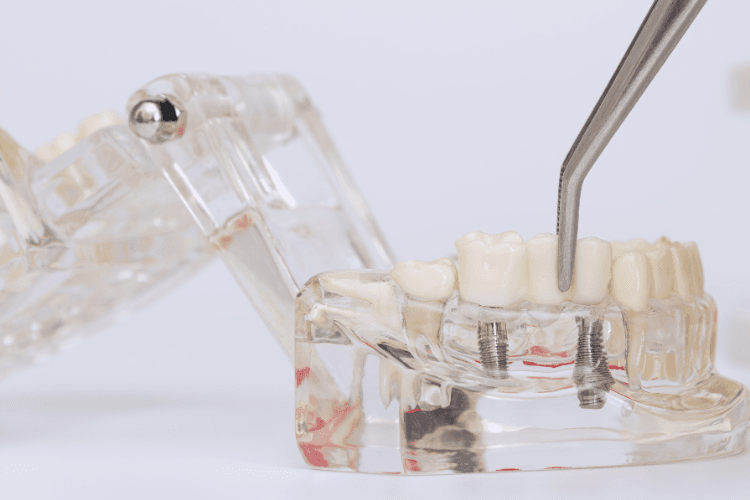
Dental implants are titanium or ceramic posts that serve a similar purpose as your natural tooth roots. A dentist or oral surgeon surgically implants them into your jawbone. They create a strong foundation for permanent teeth or dentures.
Dentists can use ceramic implants as an alternative to titanium for patients who prefer a metal-free option.
The way dental implants integrate with your jaw makes them highly effective. This is a process called osseointegration. The bond between the implant and your jaw creates stability. It allows dental implants to look and function like a natural tooth (or even several teeth).
Improving Dental Implant Safety
No two mouths are the same, so dentists personalize dental implant procedures. Dental professionals tailor the treatment process, using careful planning and advanced technology. Your journey typically involves an initial consultation, imaging (like X-rays or 3D scans), a custom treatment plan, and post-operative care.
Your responsibility as a patient post-surgery is to follow strict hygiene protocol and attend your dental follow-ups. Your diligence helps prevent infection and ensure long-term success. Getting the proper care will minimize your chances of complications.
Who’s a Candidate for Dental Implants?
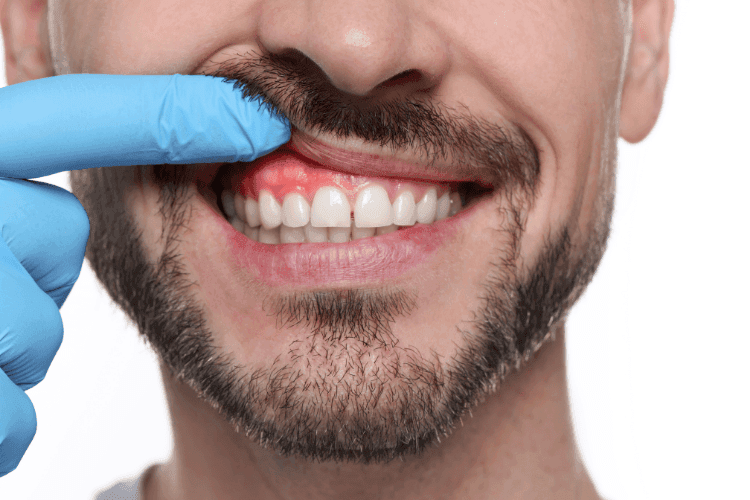
Not everyone who has missing teeth is eligible for dental implants. You also need good oral health, healthy gums, and enough bone to support the implant.
Some factors that might affect your eligibility include:
- Untreated gum disease
- Smoking
- Uncontrolled diabetes
- Poor bone quality
Even if you’re older, your age isn’t a barrier. Your ability to heal, which may be compromised by gum disease, unmanaged diabetes, or your smoking status, is most important. That’s why we conduct a thorough evaluation when you visit for your first appointment. We’ll develop a personalized treatment plan based on your unique dental and medical history. If dental implants won’t work for you, we will offer you alternatives.
Challenges and Risks to Be Aware Of
While dental implants have a high success rate (90-95%), they’re not risk-free. However, the potential complications are rare and are often preventable with proper planning, hygiene, and regular check-ups.
Some of the risks include:
- Implant failure (especially if osseointegration doesn’t occur)
- Infection
- Nerve damage, which may cause numbness or tingling
- Sinus issues with upper jaw implants
- Gum recession or changes in gum tissue around the implant can affect the gum line and implant stability.
Patients with pre-existing health conditions or those taking certain medications may face slightly higher risks.
If osseointegration fails, your implant may loosen. A loose implant needs immediate dental attention as it may make you vulnerable to infection. Nerve damage and sinus issues occur due to poor placement or surgical technique, highlighting why it’s so important to consult an experienced dental professional.

What Happens During Dental Implant Surgery?
Dentists often perform implant surgery in the dental office.
Bone Grafting
If you don’t have a thick enough jawbone, you may have a bone graft before your minor surgery. There’s a common misconception that you need bone grafting for dental implants. You’ll only need bone grafting if you have severe bone loss.
Anaesthesia and Sedation
We administer local anesthesia to keep you comfortable. If you’re feeling anxious about the dental implant placement, we offer sedation dentistry, such as nitrous oxide (laughing gas), oral sedation, and IV sedation.
Implant Placement and Healing
Once we have placed the implant, healing begins. You may experience mild swelling, bruising, minor bleeding, or tenderness afterwards. You can manage these side effects with over-the-counter pain relief and cold compresses. Eat soft foods during the recovery period to give your soft tissue a chance to heal.
We use digital planning and guided surgery, which makes it even safer. Using assisted technology means we can place the implants precisely, reducing the risk of nerve damage or complications to your sinus cavities.
From Implant to Smile: Artificial Teeth and Restoration
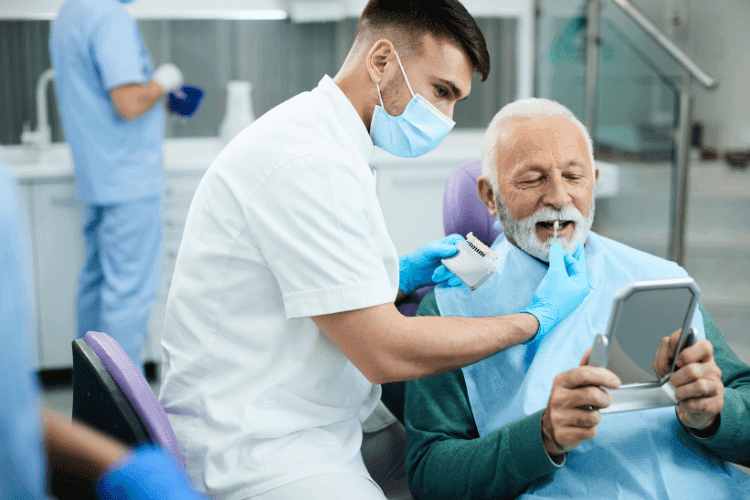
Once your implant has healed and bonded with the bone, it’s time for the final step: the artificial tooth (also called a crown). Your dentist custom-designs the artificial tooth to blend in with the color and shape of your natural teeth.
Dental implants are an excellent solution for replacing one tooth or multiple teeth. Depending on your needs, you might receive a single crown, a bridge, or even full-arch replacements using systems like All-on-4 implant dentures.
We use high-quality materials for durable, natural-looking results.
Final Restoration and Ongoing Aftercare
Practise good oral hygiene and attend regular dental check-ups to keep your implant in good condition.
Here’s what good aftercare looks like:
- Daily brushing and flossing, especially around the implant
- Professional cleanings every six months
- Avoiding smoking or chewing hard objects
- Monitoring your oral health for signs of gum disease, gum recession or implant issues.
We provide personalized aftercare plans to support you every step of the way.
Medications and Dental Implant Success
Some medications can affect healing after dental implant surgery. That’s why it’s important to let your dentist know about any medical conditions and provide your full medication list during your consultation.
We work closely with your healthcare providers to ensure that your medication doesn’t interfere with implant success.

The Benefits of Dental Implants
Dental implants look just like natural teeth, but they offer more than aesthetic improvements. Here’s why so many patients prefer them over other tooth replacement options:
Natural Look and Feel
Implants mimic your natural teeth in both appearance and function.
Long-Lasting
With proper care, implants can last for decades.
Bone Health
Implants stimulate your jawbone, helping prevent bone loss.
Confidence Boost
You don’t need to worry about dentures slipping out of place or dietary restrictions.
Support for Overall Oral Health by Maintaining Jawbone Structure
Dental implants help protect the nearby teeth by distributing bite forces evenly, preserving the health of your mouth. When you’re missing teeth, the other teeth shift to fill the gap. Over time, this can cause your remaining teeth to loosen and fall out.
By restoring missing teeth, you can avoid further bone loss and keep your existing teeth intact.
At Paramount Dentistry, we focus on providing compassionate, state-of-the-art care that helps you smile with confidence again.
Conclusion: Are Dental Implants Right for You?
So, are dental implants safe for restoring missing teeth? Yes, skilled dental teams using modern techniques and technology manage dental implants safely and successfully.
At Paramount Dental, we help you restore your smile with care you can trust. We can’t wait to meet you. Contact us to schedule your dental appointment in Roseville, or call us: (916) 898-0003.
References
- American Academy of Implant Dentistry, 2023. Dental Implant Facts and Figures.
- American Dental Association (ADA), 2023. Dental Implants: Benefits, Risks, and Eligibility.
- Cleveland Clinic, 2024. Dental Implants: Procedure, Types, and Aftercare.
- Journal of Oral Implantology, 2020. Success Rates of Dental Implants: A Long-Term Clinical Study. Journal of Oral Implantology, [online] 46(4), pp.325–332.
- Mayo Clinic, 2024. Dental Implant Surgery: Overview and What to Expect.
- National Institutes of Health (NIH), 2021. Osseointegration and Implant Stability. NIH Research Database.
- Cochrane Oral Health Group, 2022. Complications and Failure in Dental Implants: Risk Factors and Prevention. Cochrane Database of Systematic Reviews.