
People with missing natural teeth often look to dental implants as a solution. Implants provide patients with a permanent and natural-looking result. However, pain is a concern with a lot of people wondering: Are dental implants painful to get and recover from?
You can expect some level of discomfort during the surgery. Also, post-surgery dental implant pain is normal to some extent.
In this article, we’ll take a closer look at tooth replacement with dental implants, exploring what is normal tooth implant pain, factors that affect pain levels, how to manage pain at home, and when to call your oral surgeon.
Key Summary Points: Do Dental Implants Hurt?
- Getting dental implants involves minimal discomfort during the procedure, thanks to local anesthesia or sedation options.
- Post-surgery discomfort for most dental implants is normal but manageable with medication and proper aftercare.
- Multiple factors determine the level of discomfort.
- Pain usually reduces with time.
- Severe pain or unusual symptoms should encourage you to call your dentist.
How Painful Is Dental Implant Surgery?
If you’re considering dental implant placement or any other form of oral surgery, then it’s normal to worry about how much it will hurt.
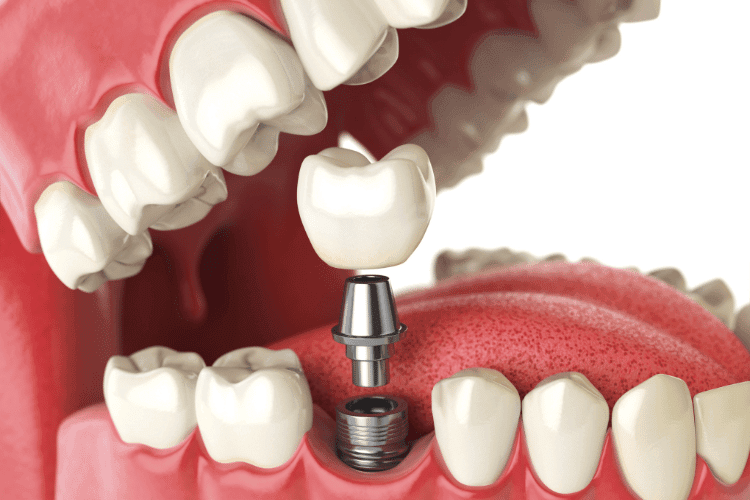
During implant surgery, a surgeon will replace the tooth root with an implant post or artificial root (usually a titanium post), which will hold the new tooth (artificial) in place.
In some cases, you may not have enough bone to support the post, which means grafting to support it until new bone growth occurs.
Then comes the recovery.
Here’s what to expect:
During Surgery
Oral health surgeons often perform dental implant surgery under local anesthesia, which numbs the implant site and surrounding areas. This is to make sure that you do not feel pain during the procedure. If you feel anxious or uncomfortable with dental procedures, the surgeon may use oral or IV sedation to help you relax.
Most patients feel pressure rather than pain as the dentist places the implant into the jawbone. The procedure takes between one and two hours, depending on the complexity of the case.
Patients who need bone grafting or other additional procedures may take longer. But in any case, modern anesthesia makes the implant process painless.
After Surgery
Once the anesthesia wears off, it’s normal to feel mild to moderate discomfort in the dental implant area. Also, the swelling and soreness that follow are part of the body’s healing process. You may experience some bruising and minimal pain, both of which are normal.
It is important to note, however, that the level of pain or discomfort you feel, especially during the healing process, can vary depending on factors such as your health and pain tolerance.
What Affects Dental Implant Discomfort Levels?
Several factors affect how much pain or discomfort you might feel during and after dental implant surgery. These include:
- Complexity of the Procedure: If you need jaw bone grafting or several teeth implants, the surgery will be more invasive, which may lead to increased discomfort.
- Your Overall Health: According to a study on dental implants in immunocompromised patients, people with certain medical conditions or compromised immune systems may experience longer healing times or increased pain. If you have some concerns, reveal your medical history before the surgery.
- Post-Surgery Care: Following your dentist’s aftercare advice, such as using ice packs, can help reduce post-surgery pain.
- Individual Pain Tolerance: Some people have a higher pain tolerance, while others are more sensitive to pain, leading to different pain levels after the procedure.
‘Normal’ Discomfort vs. ‘Abnormal’ Pain
After you get your new artificial tooth, you may experience discomfort as your gums heal. Some pain is normal, but check if it worsens or becomes concerning. Here’s a difference between the two:
‘Normal’ Discomfort
- Swelling and mild bruising near the implant area
- Tenderness when chewing
- Minor throbbing in the first few days
- Pain that reduces over time
- Minor bleeding
‘Abnormal’ Signs
- Intense pain that worsens over time
- Continuous bleeding beyond the first few hours
- Signs of infection, such as fever or pus coming out from the surgical site
- Extreme swelling or pain that doesn’t go down after a few days
- Pain coming back months or years after the healing phase
If you notice any of the abnormal signs, speak to your dental professional as you may need emergency care.
How Long Should Pain Last After a Dental Implant Procedure?
The swelling and pain after the surgical placement will last for some time. This healing process and the duration of pain can vary from patient to patient. However, here’s a general guide:
First 24 Hours
In the first 24 hours, you can expect some pain, swelling, and bruising around the implant site. You should be able to manage the pain with medications.
Days 2-3
You may experience more discomfort and pain during the first couple of days after surgery, especially as the swelling peaks. This is normal, and your pain meds should make you more comfortable.
Days 4-7
By days four to seven, you should notice a decrease in pain and swelling. The implant site will start to feel less sore, and most of the discomfort will be gone. However, you may still have some sensitivity around the site.
1-2 Weeks
After a week, most people feel comfortable. There may still be some mild soreness, especially when chewing. By this time, most of the swelling will have gone down, and the surgical site should be healing well.
3-6 Months
During this time, you may experience occasional mild discomfort as the implant fuses with the bone structure. However, this pain should be minimal and should not affect your daily routine.
People heal differently. But if your recovery is not going as smoothly or if you notice anything alarming, such as bleeding, months after healing, talk to your surgeon.
When to Call Your Dentist
If you experience any of the following after dental implant surgery, reach out to your dentist immediately:
- Fever
- Numbness or a tingling sensation in your lower lip or chin after the local anesthesia should have worn off
- Intense pain that doesn’t respond to painkillers
- Pain increasing four to five days after the surgery instead of going down
- Excessive swelling or bruising that doesn’t improve in a few days
- Discharge or pus coming from the implant site
- A bad taste in your mouth
- The replacement teeth loosening or moving
Tips for Dental Implant Surgery Pain Relief
There are a few things you can do to minimize discomfort and pain as you recover from the implant procedure. They include:
- Ice Packs: Apply ice to the outside of your face for the first 48 hours to reduce swelling and numb the area.
- Pain Medication: Take painkillers as prescribed by your dentist to manage discomfort. If your treatment plan does not come with prescribed painkillers, then you can get over-the-counter options, such as ibuprofen.
- Soft Diet: Stick to soft, cool foods for the first few days to avoid irritating the implant site.
- Saltwater Rinses: Gently rinse your mouth with warm salt water to keep the site clean and promote healing. Plus, according to Harvard Health, it helps your overall oral health.
- Follow Aftercare Instructions: Following your dentist’s aftercare instructions can reduce the risk of complications.
What to Avoid for Less Pain After Dental Implant Surgery
A smooth recovery after dental implants demands proper care. Avoiding the following will mean less pain and better recovery:
- Hard or Chewy Foods: They could irritate the implant site. Instead, go for soft foods.
- Smoking: According to an article in the Journal of International Society of Preventive and Community Dentistry, smoking can delay healing and potentially lead to complications.
- Using Straws: It can create suction, which may disrupt the healing process.
- Excessive Physical Activity: According to a study in The Open Dentistry Journal, physical activity can increase blood flow to the implant site, leading to swelling or bleeding.
Talk to Us About Dental Implant Surgery and Pain Management
We put your comfort and well-being first. Our team of experienced dentists is committed to providing a compassionate, stress-free dental implant surgery experience.
We offer advanced sedation options so you can feel relaxed and pain-free throughout the procedure. Our expertise and care will lead to a confident smile.
If you’re considering dental implants, teeth whitening, minor surgery, Invisalign, or any other procedures, reach out for a free consultation. We will discuss your options and create a plan for you.
Frequently Asked Questions
Which Is More Painful, Tooth Extraction or Dental Implants?
Most patients often report less pain during the implant placement than during a tooth extraction. While tooth extraction can be uncomfortable, the pain is often short-lived. Dental implant surgery has a longer recovery period for most patients, but local anesthesia and sedation during the procedure make it painless.
What’s the Worst Part of a Dental Implant?
Many patients say that the worst part of dental implant surgery is the discomfort and pain during the healing process, especially in the first few days after the procedure. However, it varies depending on factors such as individual pain tolerance levels.
How Long Does Pain Last After a Tooth Implant?
The pain that comes with dental implants often lasts for a few days up to a week in most cases. Any discomfort beyond that should be minimal, and most patients report little to no pain within two weeks. However, everyone heals at a different pace. Speak to your surgeon if the pain lasts longer.
Do They Put You to Sleep for Dental Implants?
Surgeons perform dental implant procedures under local anesthesia, which numbs the nerves surrounding the area. However, if you are anxious, oral sedation or IV sedation is also an option. We will help you stay relaxed and comfortable throughout the procedure.
Final Thoughts: Do Dental Implants Hurt?
Dental implants are a great solution for missing teeth, and while there may be some discomfort during and after the procedure, it is often manageable. You can reduce pain using prescribed painkillers or over-the-counter options. Also, avoiding hard foods and smoking will prevent unnecessary pain. And most importantly, taking care of your oral health will help you heal comfortably.
Reference List
- Duttenhoefer, Fabian, et al. Dental Implants in Immunocompromised Patients: A Systematic Review and Meta-Analysis. (2019, 28/11/19) International Journal of Implant Dentistry, U.S. National Library of Medicine.
- Harvard Medical School. Dental Health. (2023, 23/04/23) Harvard Health, Harvard Health Publishing.
- Kasat, V, and R Ladda. Smoking and Dental Implants. (2012, 07/12) Journal of International Society of Preventive & Community Dentistry, U.S. National Library of Medicine.
- Lobo, Ec, et al. The Effect of Exercise on Pulpal and Gingival Blood Flow in Physically Active and Inactive Subjects as Assessed by Laser Doppler. (2012) The Open Dentistry Journal, U.S. National Library of Medicine.